Railway OCS Solutions

Railway OCS engineering solutions: 25kV AT catenary, third-rail composite contact rail, heavy-haul reinforcement & maintenance guides.

Overhead contact systems fail where mechanical, electrical and dynamic demands meet: a neutral section that a high-speed pantograph strikes hard, a heavy-haul catenary whose tension drifts with the seasons, a metro section insulator that tracks arcs until it flashes over. Each engineering note below takes one recurring failure or design problem on mainline and urban rail, explains the mechanism behind it, and shows how Chuangwit components resolve it in practice.

The notes are written for OCS design institutes, metro maintenance depots and railway EPC contractors. They draw on the same engineering data published across this catalogue, so every recommendation links to the concrete device that implements it - compensation devices sized for the span, insulators matched to the suspension type, disconnectors rated for the section current.

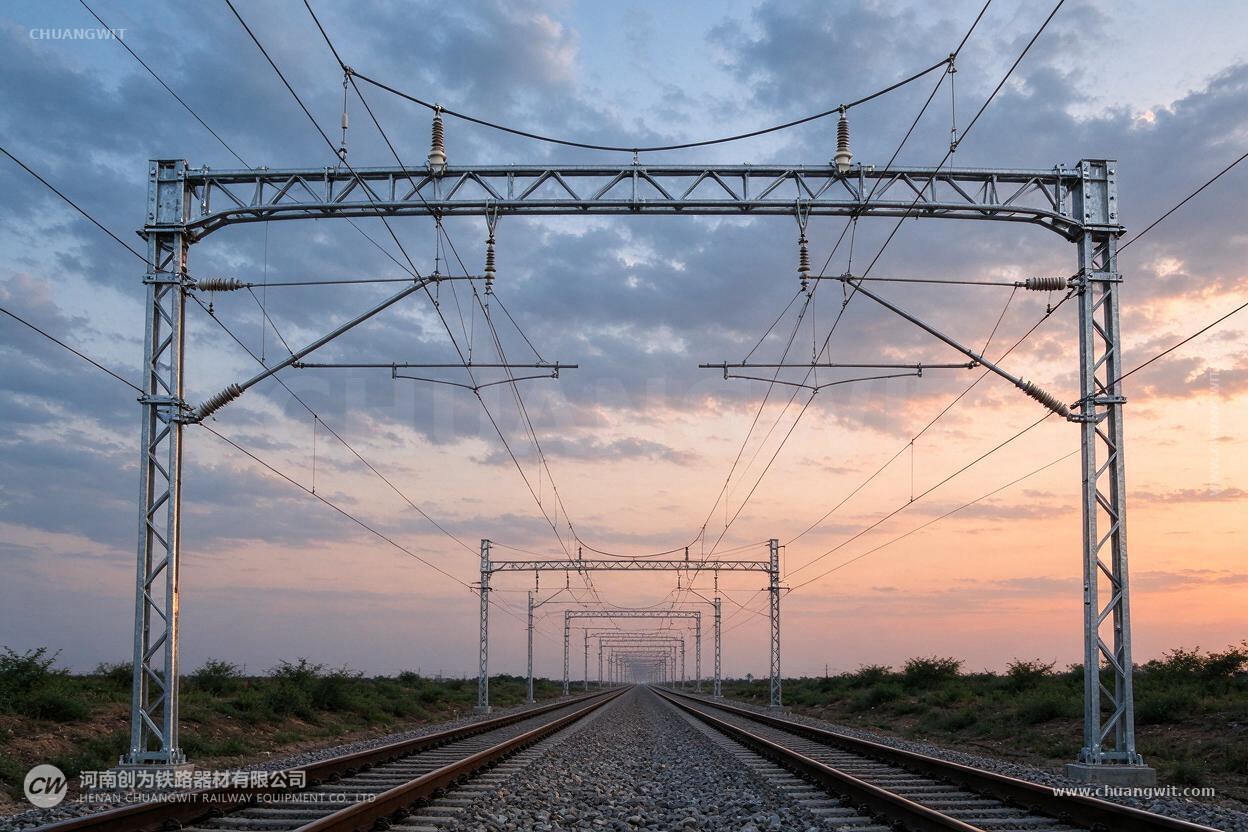
  • AT-fed full-compensation catenary - how automatic tensioning keeps 25 kV AC contact wire geometry stable across seasonal temperature swings.
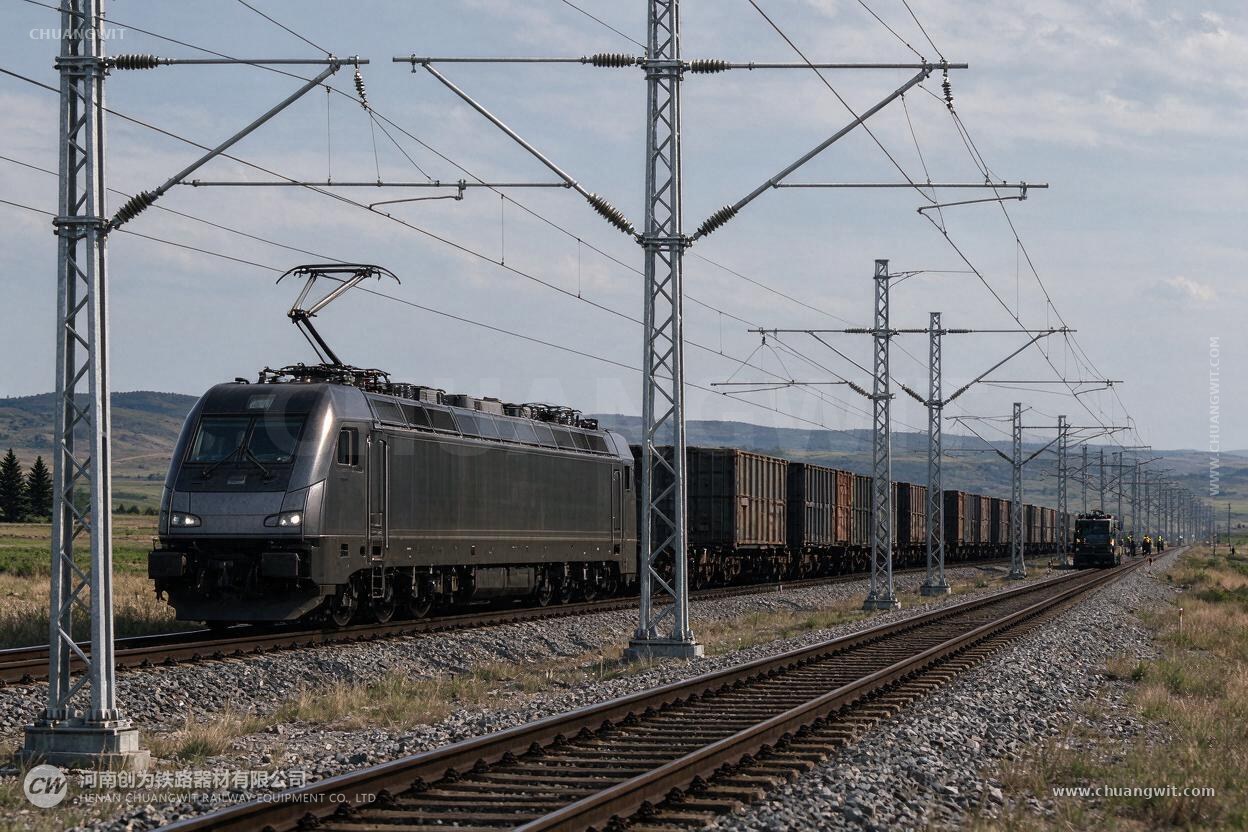
  • Heavy-haul high-tension catenary - reinforcement strategy for high-tonnage freight corridors.
  • Metro section insulator failure analysis - root causes of DC section insulator flashovers and the maintenance optimisation that prevents them.
Selection and technical guides by equipment

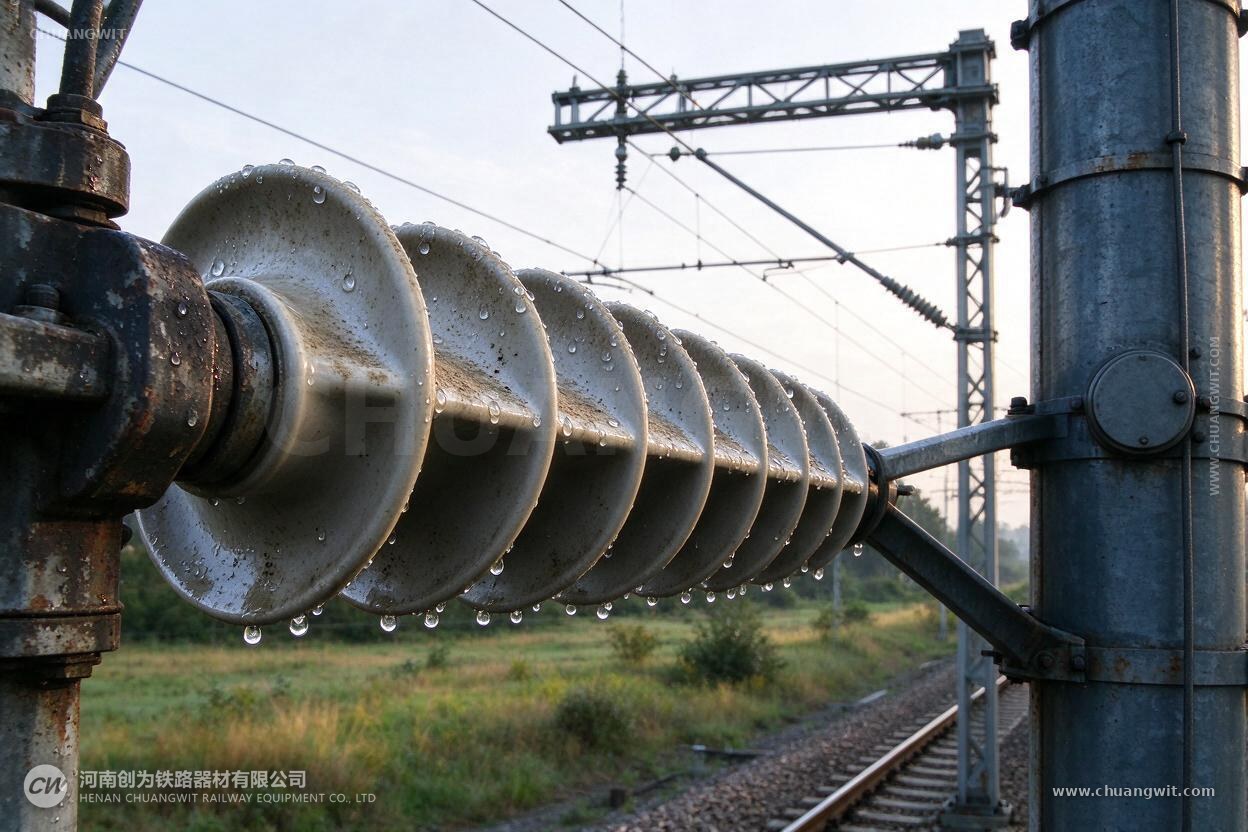
Section and neutral section insulators

Railway and metro disconnectors

Reading the Four New Railway Standards for OCS: Core Changes in TB/T 2809-2026

Reading the Four New Railway Standards for OCS: Core Changes in TB/T 2809-2026

Four new OCS railway standards - TB/T 2809-2026, TB/T 3111.1/.2-2026 and TB/T 2075.24-2026 - take effect on 1 September.

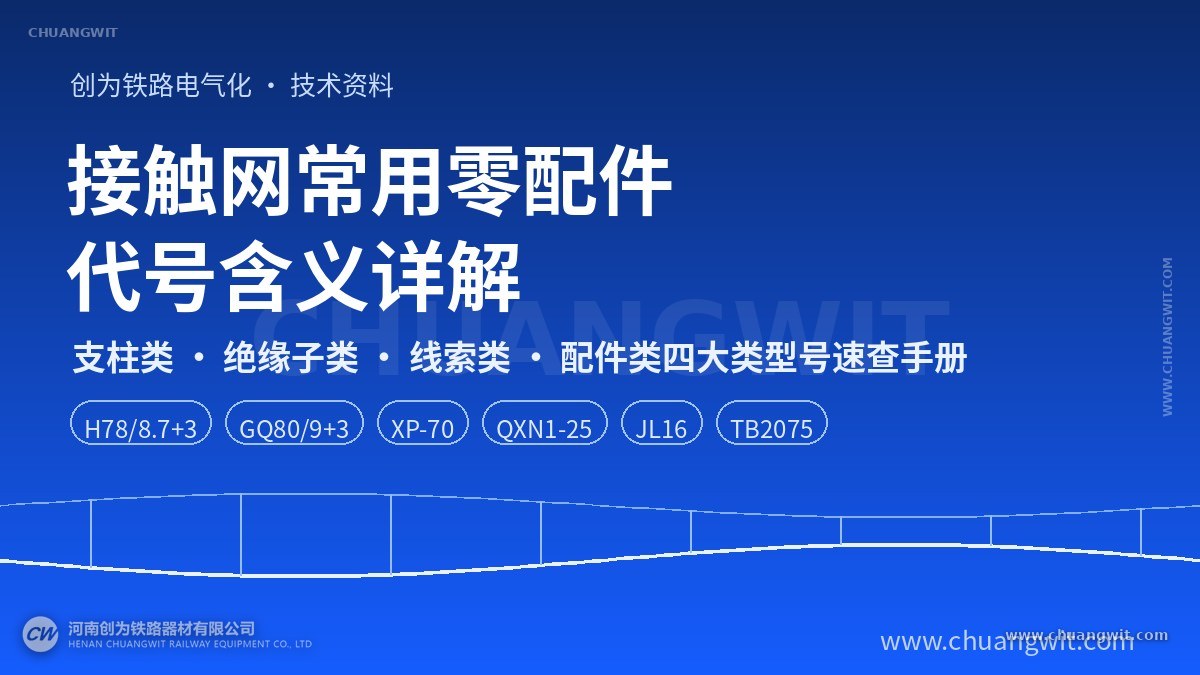
What OCS Part Codes Mean: Quick Reference to Mast, Insulator, Conductor and Fitting Designations

What OCS Part Codes Mean: Quick Reference to Mast, Insulator, Conductor and Fitting Designations

What common railway OCS part codes mean: the H, GQ and G mast series, suspension, rod and pin insulators, the numbers in...

Contact Wire Height and Stagger Limits by Speed Class

Contact Wire Height and Stagger Limits by Speed Class

Contact wire height and stagger limits by speed class: geometry envelopes, EN 50149 wire sections and the EN 50367 panto...

Why Railways Electrify: Energy Economics and Climate

Why Railways Electrify: Energy Economics and Climate

Rail electrification runs trains on grid power instead of on-board diesel, cutting energy use and exhaust while enabling...

What Is a Traction Substation: Equipment and Layout

What Is a Traction Substation: Equipment and Layout

A traction substation turns grid power into traction supply: transformers, 27.5 kV switchgear, arresters and earthing wi...

What Is a Third Rail System and How Does It Power Trains

What Is a Third Rail System and How Does It Power Trains

A third rail system feeds DC traction power through a conductor rail beside the track: how the circuit works, 750 V DC l...

What Is a Power Frequency Withstand Voltage Test?

What Is a Power Frequency Withstand Voltage Test?

A power frequency withstand voltage test applies a specified AC voltage to an insulator for one minute. Dry and wet vari...

What Is a Pantograph Used For: Functions Beyond Collecting Current

What Is a Pantograph Used For: Functions Beyond Collecting Current

What a pantograph is used for: traction current collection on trains, controlled engagement with the wire, and other use...

What Is a Messenger Wire in Railway Catenary

What Is a Messenger Wire in Railway Catenary

A messenger wire is the load-bearing upper conductor of a railway catenary, holding the contact wire level through dropp...

What Is an Impulse Voltage Test on Insulators?

What Is an Impulse Voltage Test on Insulators?

An impulse voltage test fires a lightning shaped surge at an insulator to prove overvoltage survival. The 1.2/50 wave an...

Fourth Rail System: Why Some Metros Run a Dedicated Return

Fourth Rail System: Why Some Metros Run a Dedicated Return

A fourth rail system runs a dedicated insulated return rail beside the supply rail so traction current never flows throu...

What Is Creepage Distance: The Number That Sizes Insulators

What Is Creepage Distance: The Number That Sizes Insulators

Creepage distance is the shortest surface path between live and earthed parts of an insulator. See how mm/kV values are ...

What Is Catenary Wire: The Question Behind the Term

What Is Catenary Wire: The Question Behind the Term

Catenary wire is the term for the messenger wire of a railway, the conductor that hangs in a curve and carries the conta...

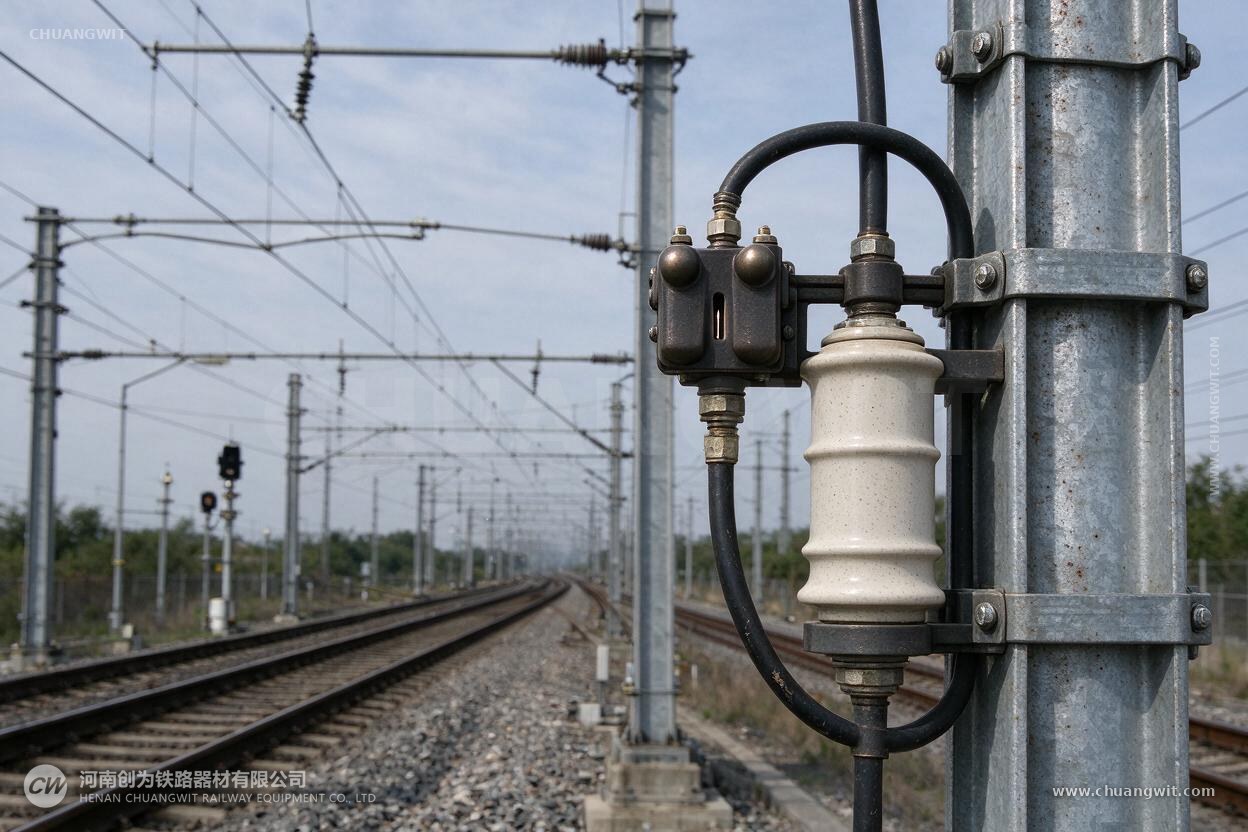
Voltage Limiters and Spark Gaps on OCS Structures

Voltage Limiters and Spark Gaps on OCS Structures

Voltage limiters and spark gaps protect OCS structures from traction potential rise: how gapless metal-oxide units work ...

Earthing and Bonding in Railway Tunnels: Special Rules

Earthing and Bonding in Railway Tunnels: Special Rules

Tunnel earthing and bonding rules for railway catenary: how EN 50122-1 touch voltage limits, the return circuit and bond...

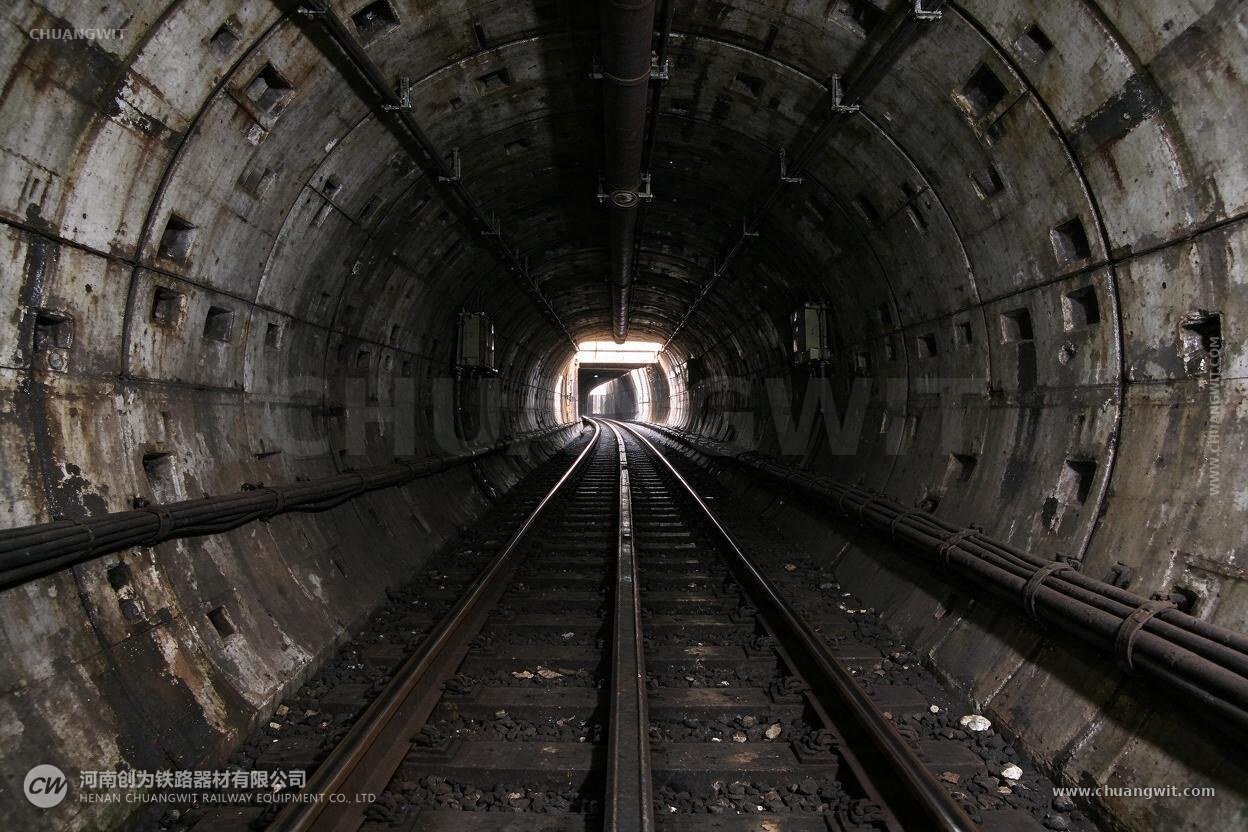
Tunnel Catenary: Supporting Wires Where Clearance Is Tightest

Tunnel Catenary: Supporting Wires Where Clearance Is Tightest

Tunnel catenary explained: how brackets, hanging posts and registration arms hold catenary wires where clearance is tigh...

Traction Transformers: Single-Phase Scott and V Connections

Traction Transformers: Single-Phase Scott and V Connections

Traction transformers: single-phase units for 25 kV feeders, 50 kV autotransformer supply, and how Scott and V connectio...

Traction Substation Layout Diagram: From Grid Infeed to Feeder Zones

Traction Substation Layout Diagram: From Grid Infeed to Feeder Zones

Read a traction substation layout zone by zone: grid infeed, transformer, 27.5 kV busbar, feeder zones and earthing, wit...

How Traction Return Current Flows: From Wheel to Substation

How Traction Return Current Flows: From Wheel to Substation

How traction return current flows from wheel to rail to substation, why rails carry it, and how AT and BT schemes rerout...

Interference from Traction on Lineside Cables: EMC Essentials

Interference from Traction on Lineside Cables: EMC Essentials

Traction EMC for lineside cables: how electrified railways couple into cables, and the earthing, screening and routing m...

179 items · Page 1 of 9FirstPrev12345···NextLast

Need a project-specific OCS solution?