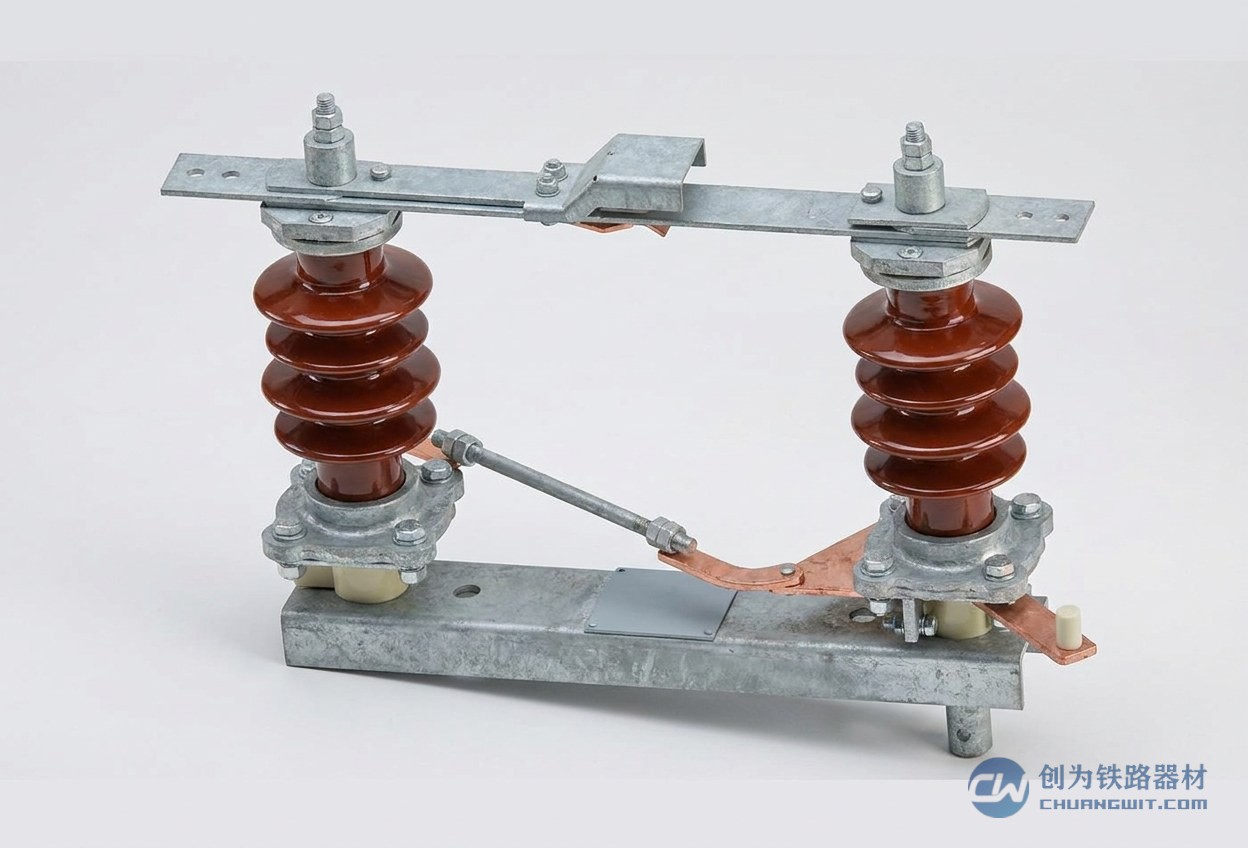
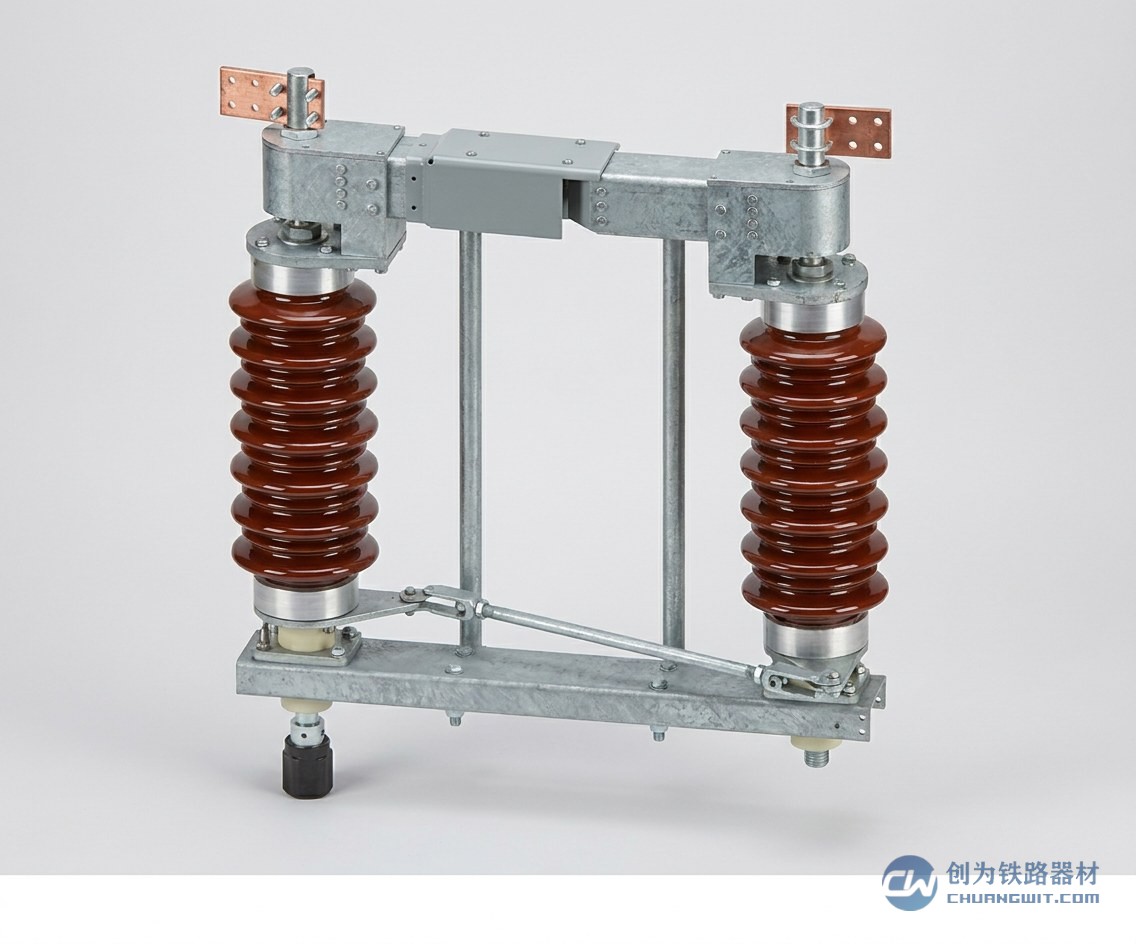
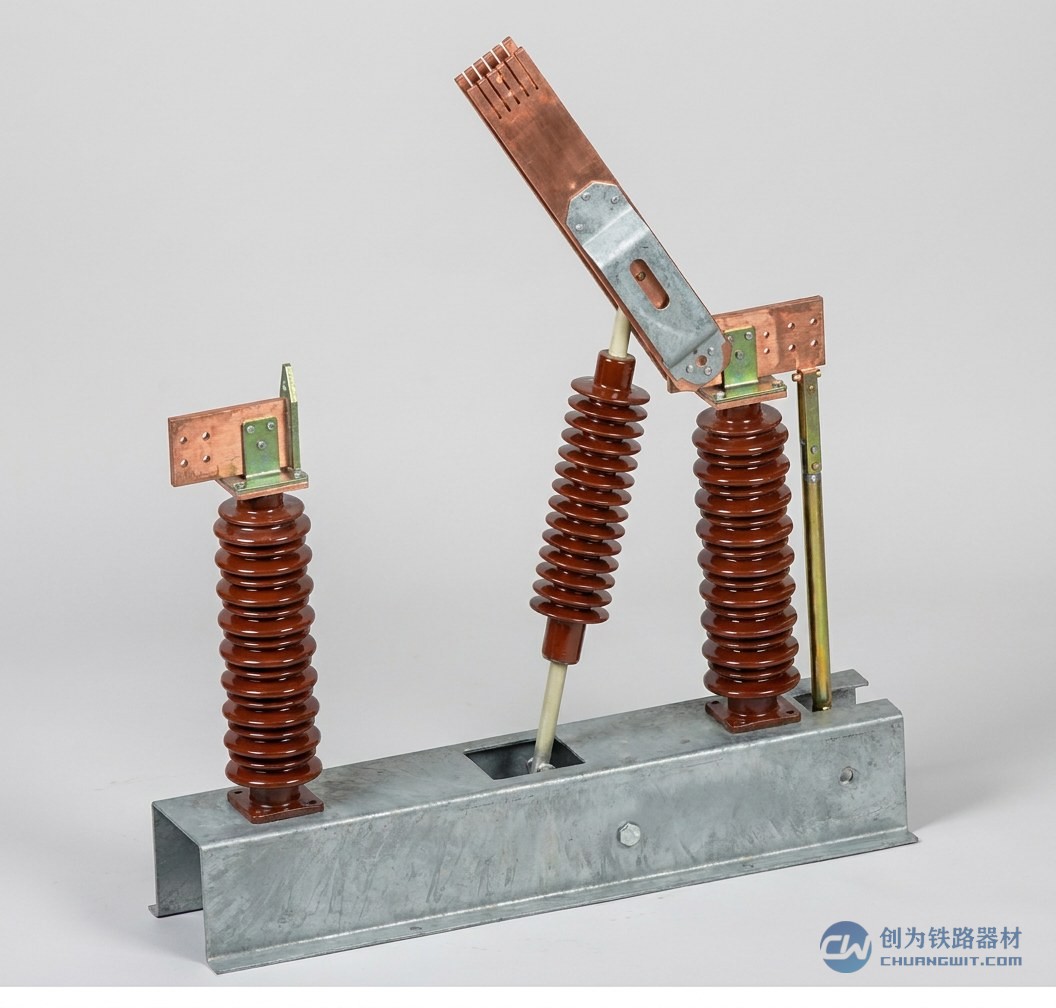
Section insulators are the key equipment for electrical sectioning in overhead contact systems and are installed at the electrical isolation points of station yards, open track, depot lines and feeding arms. The choice of model directly affects how smoothly the pantograph passes and how reliably power is supplied. Designers and buyers searching online for section insulator models, for which section insulator manufacturers exist, or for a detailed section insulator structure diagram often find information that is scattered and inconsistent. As a manufacturer of OCS components and equipment, Henan Chuangwit Railway Equipment Co., Ltd. has therefore arranged its complete section insulator model range by application system into a cross-reference table, describing series by series the application and the selection logic, as a reference for project selection. All models and standards quoted here reflect the actual product line configuration; for specific technical parameters the manufacturer's catalogue should be consulted.
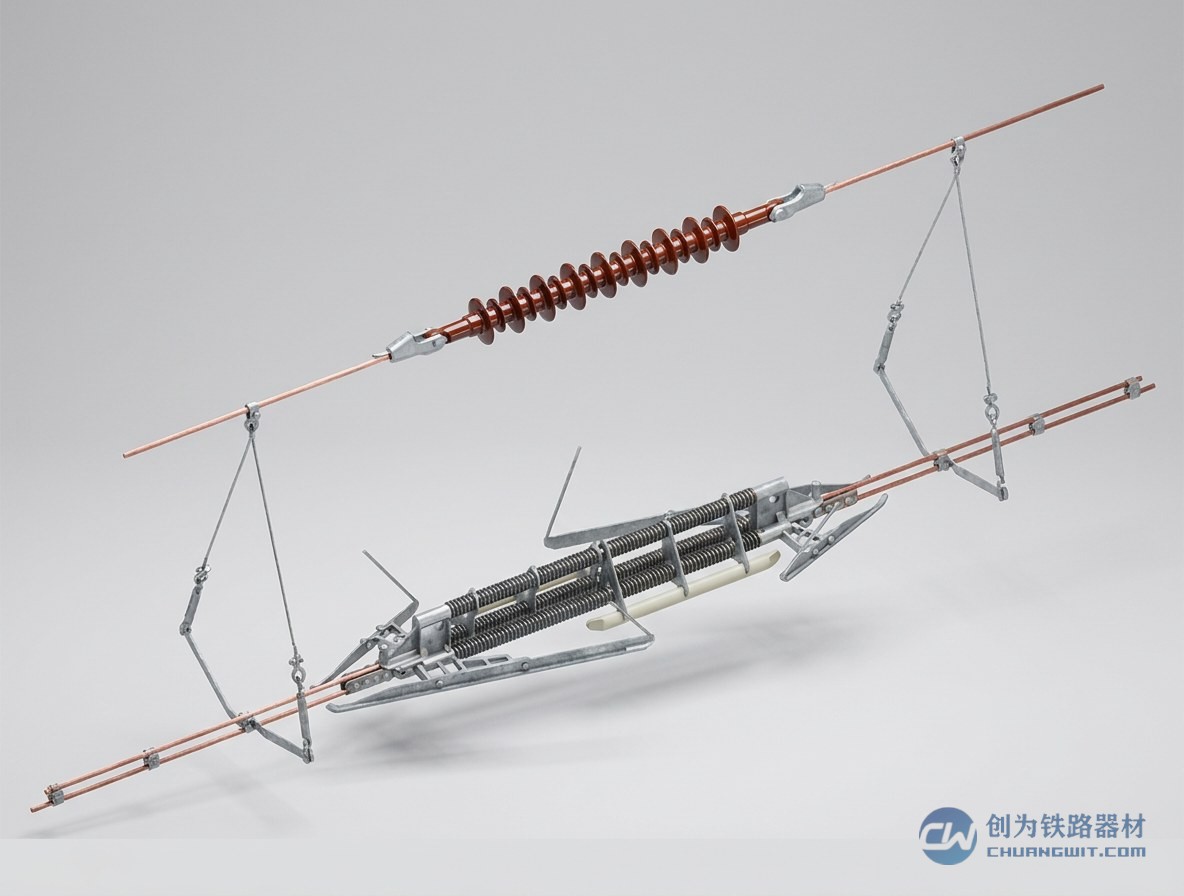
Divided by Application System: Two Families, 25kV Railway and DC1500V Urban Rail
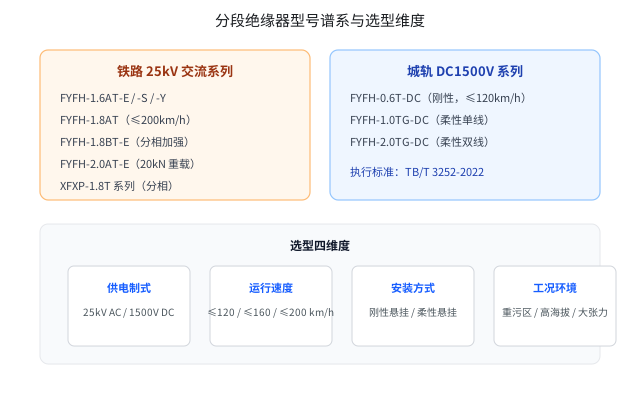
By application system, section insulators fall into two main families: 25kV AC for railways and DC1500V DC for urban rail. Railway products are used for electrical sectioning and phase-break gaps in the overhead contact systems of electrified railways, and are designed around the insulation coordination, tension conditions and operating speeds of AC traction supply. Urban rail products are intended for the rigid or flexible suspension overhead contact systems of metro and light rail lines, operate at 1500V DC, and place greater emphasis on smooth transition with the pantograph under frequent starting and stopping and short headways. The two families differ clearly in insulating construction, runner arrangement and installation interface, so the first step in selection is to confirm the traction supply system and suspension form of the line and avoid applying one family to the other.
In model designation the company uses the prefixes FYFH and XFXP to distinguish series, with the numeric segment and suffix corresponding to insulation level, structural form and operating conditions - shuttle type, wing type, reinforced insulation, rigid suspension, flexible single wire and flexible twin wire, for example. Different suffixes within the same series represent different runner constructions and insulation reinforcement methods, so selection should be checked item by item against the detailed section insulator structure diagram rather than concluded from the model designation alone.
Section Insulator Model Cross-Reference Table
The table below cross-references the company's full section insulator range by application system, applicable standard, structural form and typical application, for quick screening.
| Application system | Standard | Model | Structure and features | Typical application |
|---|---|---|---|---|
| 25kV railway AC | TB/T 3036-2016 | FYFH-1.6AT-E | Reinforced insulation type (extended creepage) | Sections with heavy pollution, damp and foggy conditions where a higher insulation margin is required |
| FYFH-1.6AT-S | Shuttle type (type A) | Standard electrical sectioning at stations, on open track and on depot lines | ||
| FYFH-1.6AT-Y | Wing type (type A) | Standard electrical sectioning, an alternative to the shuttle type | ||
| FYFH-1.8AT | Shuttle type (type B AT, ≤200km/h) | Sectioning on mainlines and at stations for operating speeds up to 200km/h | ||
| FYFH-1.8BT-E | Reinforced-insulation phase-break type (BT phase break reinforced, ≤200km/h) | Phase break gaps in BT feeding systems, on lines up to 200km/h | ||
| FYFH-2.0AT-E | 20kN reinforced insulation type (heavy haul, high tension) | Heavy-haul operation and high-tension line sections | ||
| 25kV railway AC | TB/T 3037 series | XFXP-1.8T-2019 | Construction to the 2019 edition | New-build and upgrading projects where the design documents specify that edition |
| XFXP-1.8T-2021 | Construction to the 2021 edition | New-build and upgrading projects where the design documents specify that edition | ||
| XFXP-1.8T-C | Classic construction | Continuity with equipment in service and maintenance practice on existing lines | ||
| DC1500V urban rail | TB/T 3252-2022 | FYFH-0.6T-DC | Rigid (≤120km/h) | Rigid suspension lines with operating speeds up to 120km/h |
| FYFH-1.0TG-DC | Flexible, single contact wire | Flexible suspension sections with a single contact wire | ||
| FYFH-2.0TG-DC | Flexible, twin contact wires | Flexible suspension sections with twin contact wires |
25kV Railway Models Explained: the FYFH and XFXP Series
The FYFH series to TB/T 3036-2016 is the main product line for 25kV railway overhead contact systems, with six models covering standard sectioning, reinforced insulation, phase break and heavy-haul high-tension duty. FYFH-1.6AT-S (shuttle type A) and FYFH-1.6AT-Y (wing type A) are two runner constructions at the same insulation and tension level: the shuttle type has a streamlined profile while the wing type spreads the runner arrangement more widely, and each has its own characteristics in terms of pantograph passage attitude, the differences being best compared using the detailed section insulator structure diagram. FYFH-1.6AT-E takes the standard type as its basis and extends the creepage distance, making it suitable for line sections with heavy pollution, damp and foggy conditions where a higher insulation margin is required.
FYFH-1.8AT, the shuttle type B AT, is intended for lines up to 200km/h and is used for sectioning on higher-speed mainlines and at stations; FYFH-1.8BT-E, the reinforced-insulation phase-break type, is aimed at phase break gaps in BT feeding systems, combining reinforced insulation with phase-break service requirements, and is likewise suitable for lines up to 200km/h; FYFH-2.0AT-E is the 20kN reinforced insulation type for heavy-haul operation and high-tension lines, with reinforcement in both mechanical strength and insulation level. In short: standard sections take the 1.6 series, mainlines up to 200km/h take the 1.8 series, phase break gaps take the phase-break type, and heavy-haul high-tension applications take the 2.0 reinforced type.
The XFXP series is built to the TB/T 3037 series of standards and comprises the year editions XFXP-1.8T-2019 and XFXP-1.8T-2021 together with the XFXP-1.8T-C classic type. The 2019 and 2021 designations correspond to the structural designs of those editions, and users should follow the edition specified in the design documents; the classic type retains the classic construction so as to stay consistent with equipment in service, maintenance tooling and operating practice on existing lines. When replacing section insulators on an existing line, it is advisable to give preference to a product of the same series and edition as the equipment in service, so that mixed constructions do not disturb the strip transition.
DC1500V Urban Rail Models Explained (TB/T 3252-2022)
Urban rail transit uses DC1500V supply, and the company's urban rail section insulators are built to TB/T 3252-2022 in three models covering both rigid and flexible suspension. FYFH-0.6T-DC, rigid (≤120km/h), is used on rigid suspension lines at operating speeds up to 120km/h; FYFH-1.0TG-DC, flexible single wire, is used on flexible suspension sections with a single contact wire; and FYFH-2.0TG-DC, flexible twin wire, is used on flexible suspension sections with twin contact wires.
For metro and light rail projects, selection should first distinguish rigid from flexible suspension, then single from twin contact wire, and finally check the transition match against the pantograph type of the rolling stock. A single city may have both rigid and flexible suspension sections on different lines, and depot lines, access lines and running lines often differ in suspension form as well, so the design documents should be checked section by section rather than applying a single rule of thumb.
Which Section Insulator Manufacturers Are There? Selection and Evaluation Advice
As to which section insulator manufacturers exist, there are many companies in China making OCS components and the level of their products varies widely. Four aspects are worth examining when selecting. First, whether the product range is complete and can cover both the 25kV railway and the DC1500V urban rail standard systems. Second, whether the technical documentation is complete, including a detailed section insulator structure diagram, installation drawings and the product manual. Third, whether the supplier can give selection advice based on the line conditions - speed class, tension class, pollution environment and feeding arrangement - rather than simply quoting a model number. Fourth, the capability for installation adjustment and after-sales technical support, including on-site guidance and responsiveness to problems.
A four-step selection sequence is recommended: first establish the traction supply system and application family, then fix the applicable standard from the design documents, then screen the models by speed class, tension class and suspension form, and finally decide whether a reinforced-insulation or phase-break type is needed in view of the pollution conditions and the phase-break requirement. Working through this sequence against the model table above will generally narrow the choice to two or three candidates, after which a detailed structure diagram and a quotation can be requested from the manufacturer to complete the comparison.
Frequently Asked Questions
What is the difference between a section insulator and a phase insulator?
A section insulator is used for electrical sectioning between power supply sections at the same phase, whereas a phase insulator is installed at phase breaks between different phases, where the insulation requirement is higher and the gap construction more complex. In the company's range, the FYFH-1.8BT-E reinforced-insulation phase-break type is the model intended for phase break gaps; further product information can be found in the phase insulator section of this site.
How should the FYFH and XFXP series be chosen between?
The two series are built to different standards: the FYFH series to TB/T 3036-2016 and the XFXP series to the TB/T 3037 series. Selection should follow the standard specified in the design documents; for maintenance replacement on existing lines, it is preferable to remain consistent with the series already in service.
Can a 25kV railway section insulator be used on a DC1500V metro system?
They cannot simply be interchanged. The two systems differ in voltage, insulation coordination and suspension form, and metro and light rail projects should select the urban rail models to TB/T 3252-2022, such as FYFH-0.6T-DC, FYFH-1.0TG-DC or FYFH-2.0TG-DC.
What do the AT, E and DC suffixes in the model designation mean?
The suffixes distinguish structural form and operating conditions: E indicates a reinforced insulation design, DC indicates the 1500V DC urban rail system, AT appears mostly on shuttle-type models and BT on phase-break products. Before selecting, confirm each item against the detailed structure diagram and the product catalogue rather than inferring performance from the suffix alone.
Can a detailed section insulator structure diagram be obtained before purchase?
Yes. A request can be submitted through the section insulator product pages on this site, and the manufacturer will provide technical material such as model recommendations, the detailed structure diagram and installation drawings in the light of the line conditions.
Overall, the key to selecting a section insulator is to establish the traction supply system and applicable standard first, then work through speed class, tension class, suspension form, pollution conditions and phase-break requirements one by one. For specific product parameters and drawings, please visit the section insulator range, the urban rail section insulator and the phase insulator product sections on this site, or contact Henan Chuangwit Railway Equipment Co., Ltd. directly for selection support.