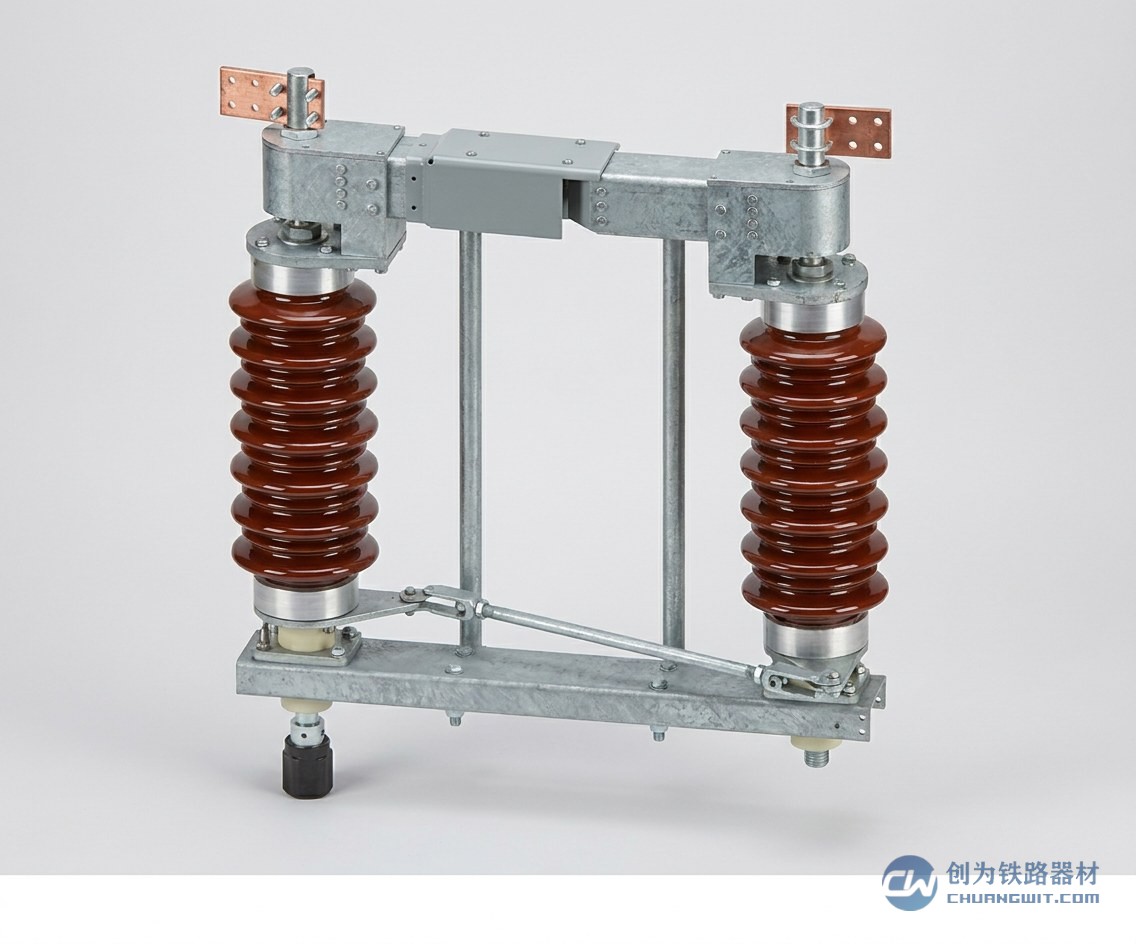
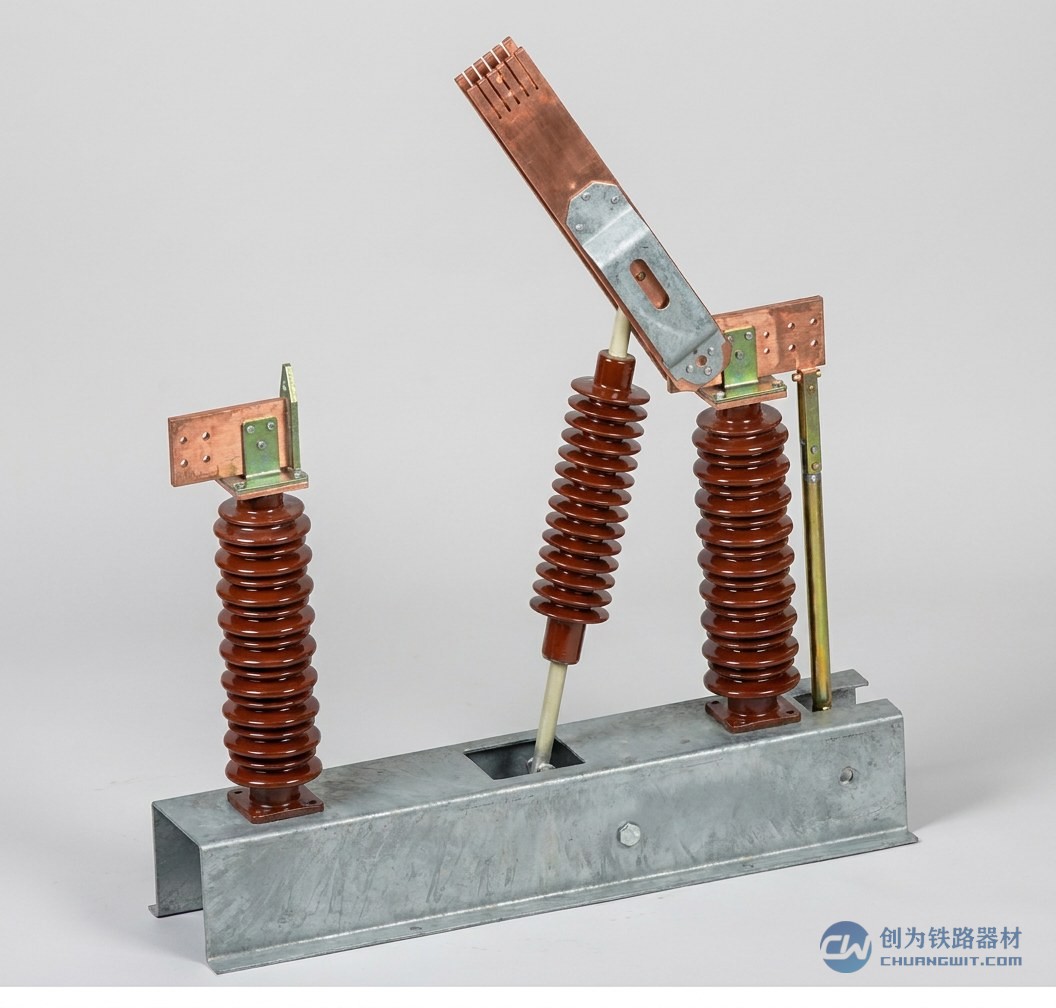
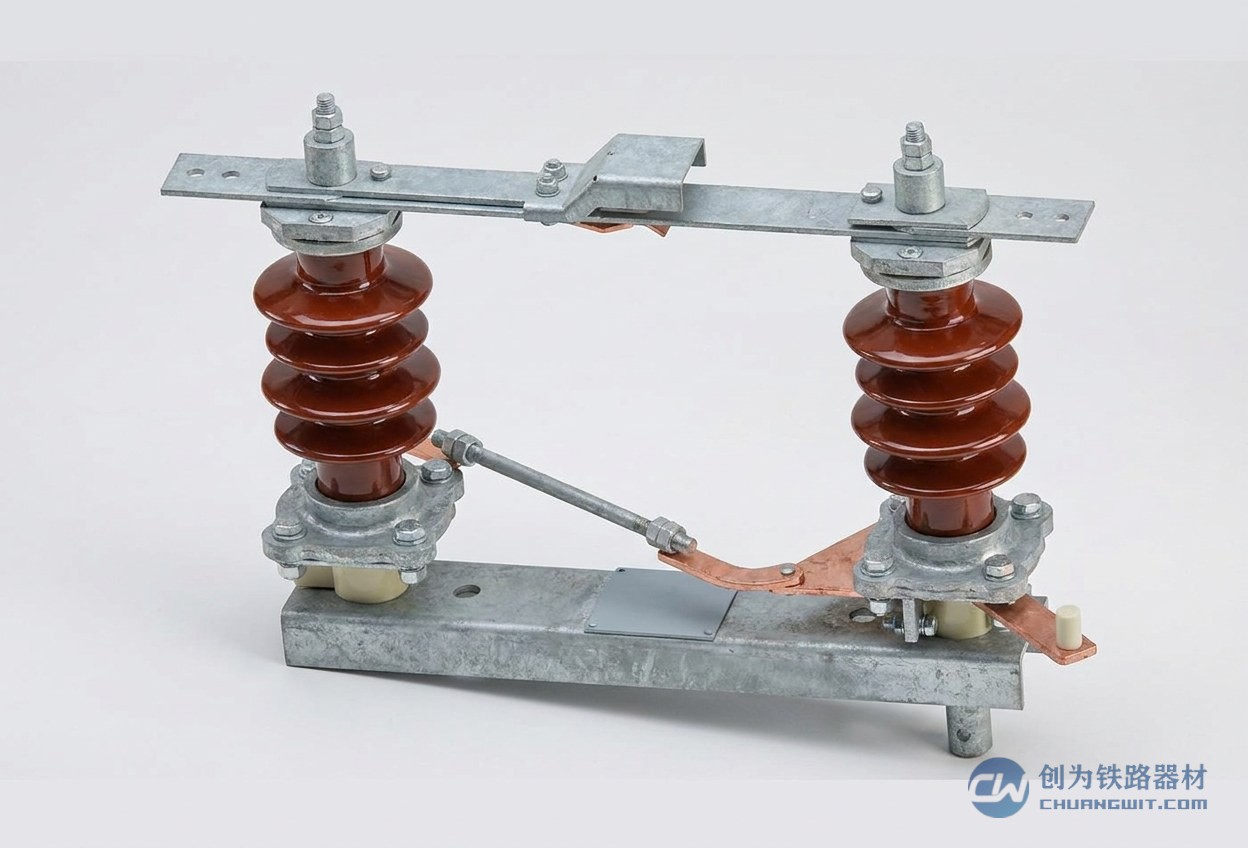
In railway and urban rail transit projects the disconnector accounts for only a modest share of the investment, yet it bears directly on the operating reliability of the overhead contact system and the traction supply system. That is why questions about which disconnector manufacturers exist, how they rank and which is the best in China are among the most frequently searched by buyers and designers. In practice, rather than relying on ranking information of uncertain origin found online, it is better to establish an objective evaluation framework: verify a manufacturer's capability item by item against qualification and certification, parameter coverage and project record, and then make the choice in the light of the voltage system and technical conditions of the project itself. This article addresses the core questions of selecting a 27.5kv disconnector manufacturer while also covering urban rail DC applications, to help readers build an evaluation method they can put into practice.
Build the Framework First: Six Dimensions for Evaluating a Disconnector Manufacturer
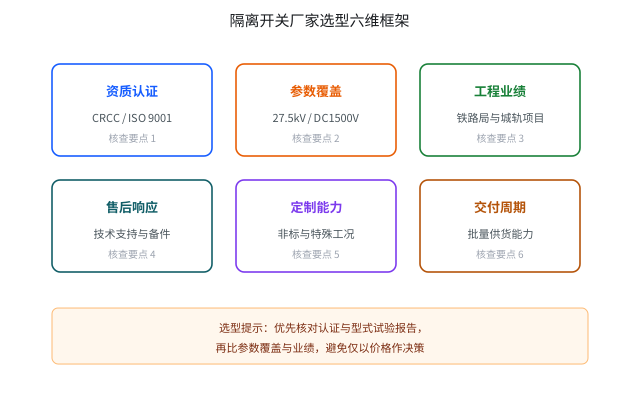
To judge whether a disconnector manufacturer is reliable, it is advisable to assess it across the following six dimensions rather than simply comparing prices or trusting a single source of opinion:
- Qualification and certification: for railway products, check whether the CRCC certification covers the specific model being purchased; for urban rail products, check whether the corresponding type tests have been completed and third-party test reports are held. Qualification is the threshold for market access and also basic evidence that a quality management system is being operated consistently.
- Parameter coverage: whether the manufacturer's product series covers the voltage levels, current ratings, installation arrangements and methods of operation required by the project bears directly on consistency of equipment across the line, on standardisation of spares and on the efficiency of subsequent procurement.
- Project record: whether there is a supply and operating record on comparable lines under comparable climate and pollution conditions. Manufacturers can be asked for a project list, and the user organisations can where possible be consulted about how the products have actually performed.
- After-sales response: the speed of response to faults, the ability to supply spares and the level of on-site technical support. A disconnector is long-lived equipment, and the quality of after-sales service often determines whole-life cost more than the initial price does.
- Customisation capability: installation interfaces, operating mechanism configurations, and anti-corrosion and insulation requirements often differ between lines, so whether a manufacturer supports selection-based customisation and can accommodate design changes is an important indication of its technical strength.
- Delivery lead time: guaranteed production capacity and the ability to meet delivery dates bear directly on project milestones, and should be judged in the light of the manufacturer's production scheduling and raw material arrangements.
Selection Differences Between 27.5kV Railway and DC1500V Urban Rail DC Disconnectors
Many buyers are used to approaching all disconnectors in the same way, but the technical logic of AC railway and DC urban rail products differs markedly. The following points should be addressed separately in selection:
- Different voltage system and insulation configuration: the 27.5kV disconnector serves traction substations and overhead contact systems on electrified railways, and its insulation distances and external insulation configuration are determined by AC traction supply conditions; the DC1500V urban rail disconnector is used in DC traction supply systems such as metro and light rail, and has to suit installation environments as different as tunnels and depots.
- Different methods of operation: both product groups offer manual and motorised operating options, but urban rail DC systems make extensive use of motorised operation connected to integrated automation systems, so selection should focus on matching the operating mechanism interface to the telecontrol and monitoring systems. Railway applications, by contrast, require the method of operation to be chosen to suit the station layout and the switching practices of the operator.
- Different earthing arrangement: depending on the operating requirements, a disconnector may be supplied with or without an earthing switch, and the earthing arrangement must be consistent with the main connection scheme. This is easily overlooked in both product groups and should be confirmed unit by unit during design liaison so that the equipment does not arrive incompatible with the site wiring.
- Different current class and contact construction: DC and AC circuits have different current-carrying and breaking characteristics, and the contact materials and structural design are weighted accordingly. Procurement should verify the rated current and the dynamic and thermal withstand parameters against the technical conditions submitted by the designer, rather than drawing a simple analogy with experience from AC products.
How to Verify a Manufacturer's CRCC Certification and Type Test Reports
Verifying qualifications is the step most likely to become a formality and the one most likely to leave hidden risk. The following method is recommended, item by item:
- Check the CRCC certificate: the certificate should state the product models, the scope of specifications covered and the period of validity. It is essential to confirm that the specific model being purchased falls within the scope covered, rather than merely confirming that the company holds a certificate.
- Review the type test report: ask the manufacturer for the type test report for the corresponding model, check that the test items are complete, that the testing body holds the appropriate qualification and that the conclusions agree with the product technical conditions, and where necessary verify the authenticity of the report with the testing body.
- Watch the relationship between certification and model: within one manufacturer's series, only some models may be certified, so selection should be based on the actual scope covered by the certificate and test report rather than applying the series name as a whole.
- Examine how the quality system operates: where conditions permit, visit the factory to understand incoming material inspection, control of the assembly process and factory testing. Shop floor management usually reflects real manufacturing capability better than promotional material.
Taking Henan Chuangwit Railway Equipment Co., Ltd. as an example, the company is a CRCC-certified enterprise whose products cover both the 27.5kV AC and the DC1500V urban rail DC systems in the GW4, GW1 and ZGW1 series, has served more than twenty railway bureaux, and can support selection-based customisation against project technical conditions. Whichever supplier is finally chosen, buyers are advised to verify and compare the candidate manufacturers on the same basis using the method set out above.
Beware the Pitfall of Selecting on Price Alone
Comparing price alone is the most common mistake in disconnector selection. A disconnector is typically long-lived equipment requiring infrequent maintenance, and its whole-life cost includes initial purchase, installation and commissioning, operation and maintenance, the cost of failures and the replacement of spares. If a low-priced product has cut costs where they are not visible - in contact materials, mechanism reliability or anti-corrosion treatment - the outage losses and maintenance expenditure later caused by contact overheating and operating failure will often far exceed the price difference saved at the outset.
A sounder approach is to screen a qualified shortlist by qualification and project record first, then compare commercial proposals on the same technical basis, and to write the after-sales response time and spares supply commitments into the contract terms. For lines with harsh operating conditions and tight maintenance possessions, it is better to raise the procurement standard somewhat and give priority to products whose reliability and service capability have been proven in service.
Frequently Asked Questions
Which disconnector manufacturer in China is best, and how should online rankings be regarded?
There is no answer that applies to every project. Disconnector manufacturer rankings mostly come from non-authoritative sources, and both their statistical basis and their currency are hard to verify, so their reference value is limited. Buyers are advised to build a scoring table on the six dimensions set out in this article and to compare candidate manufacturers on the same basis in the light of the voltage system, installation environment and technical conditions of the project, using facts and data instead of impressions.
What qualifications must a 27.5kv disconnector manufacturer hold?
A 27.5kV disconnector supplied to the railway market should in principle have obtained railway product certification (CRCC certification) and hold a type test report for the corresponding model; it is also advisable to verify the company's quality management system certification and its supply record on comparable lines. The specific access requirements are governed by the project tender documents and by the rules of the owner.
Can a railway AC disconnector be used directly in place of an urban rail DC disconnector?
It cannot simply be substituted. The insulation configuration, contact construction and operating mechanism interface of AC and DC products are each designed to the technical conditions of their own system, so a DC1500V urban rail disconnector or a 27.5kV AC disconnector that has passed the corresponding type tests should be selected as appropriate, and the earthing arrangement and method of operation should be settled during design liaison to ensure consistency with the supply system scheme.
What does customisation of a disconnector usually cover?
Common customisations include installation interface dimensions, operating mechanism configuration (manual or motorised), earthing arrangement, terminal direction, the grade of anti-corrosion coating, and insulation configurations suited to special environments such as heavy pollution or high altitude. Complete technical conditions should be provided to the manufacturer before selection, confirmed item by item with its technical department, and the confirmed results written into the technical agreement rather than left as verbal assurances.
Disconnector selection is a systems engineering exercise in which all six dimensions - qualification, parameters, project record, service, customisation and delivery - are indispensable. Whether the project is a 27.5kV railway scheme or an urban rail DC scheme, it is advisable to begin technical discussions with the intended manufacturers as early as possible and to settle the technical conditions thoroughly before discussing price. Henan Chuangwit Railway Equipment Co., Ltd. supplies disconnector products covering both systems, and you are welcome to visit the high-voltage disconnector series and the urban rail DC disconnector product pages for details, and to assess the whole-life cost of the selected product together with the operating and maintenance requirements in the OCS maintenance regulations.