Railway OCS Solutions

Railway OCS engineering solutions: 25kV AT catenary, third-rail composite contact rail, heavy-haul reinforcement & maintenance guides.

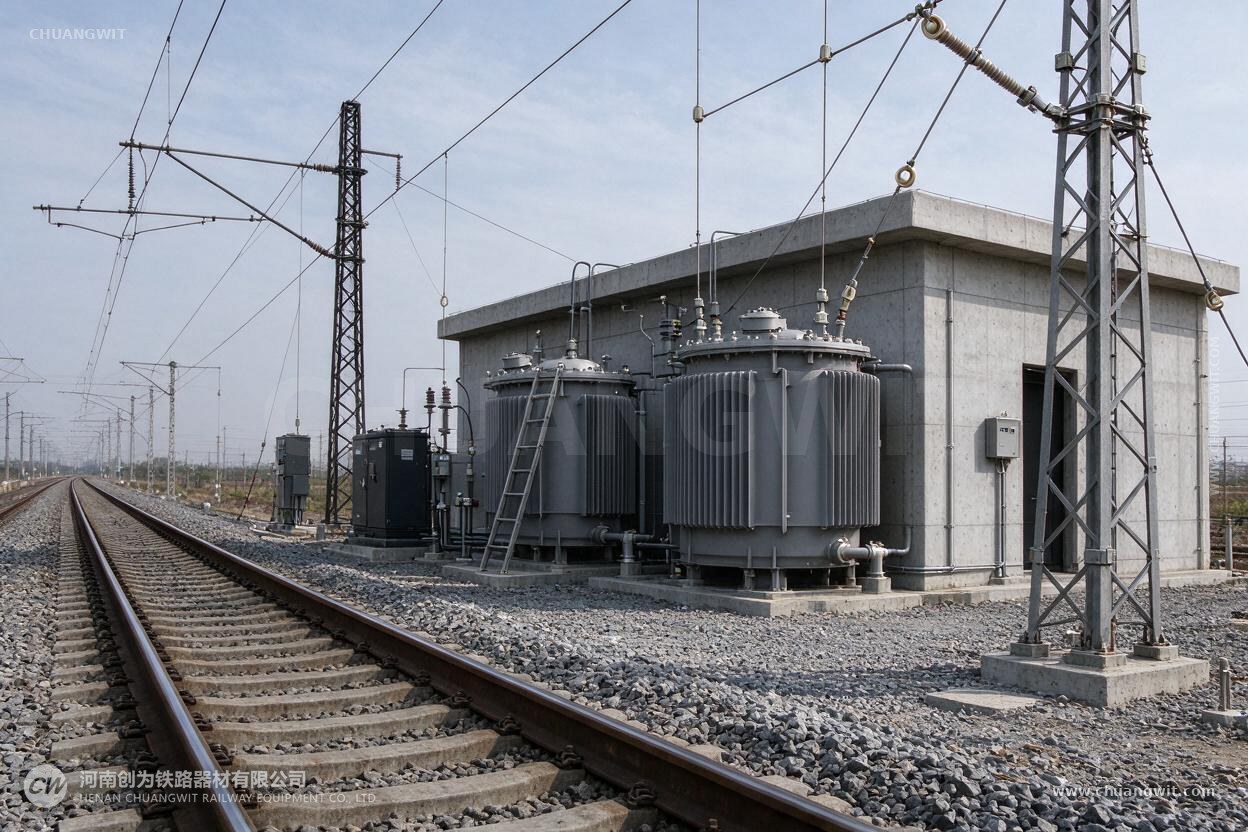
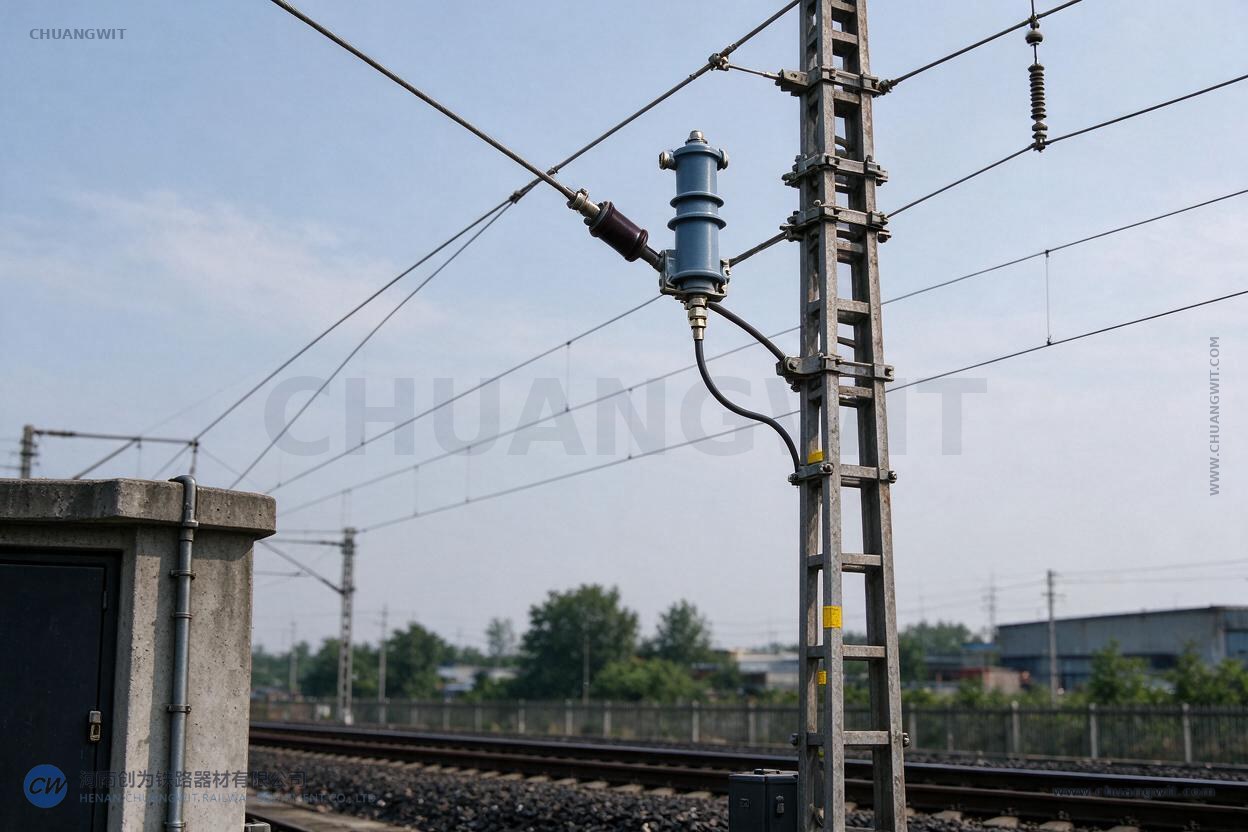
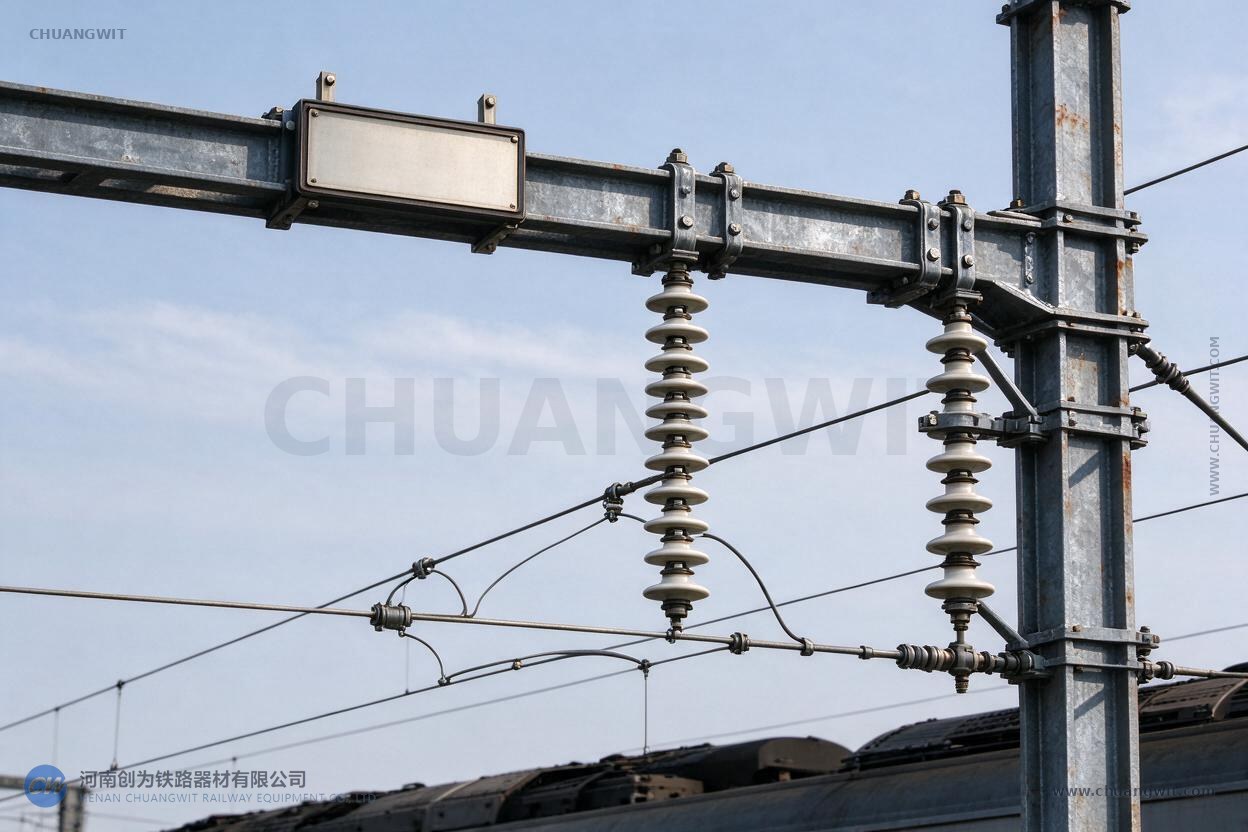
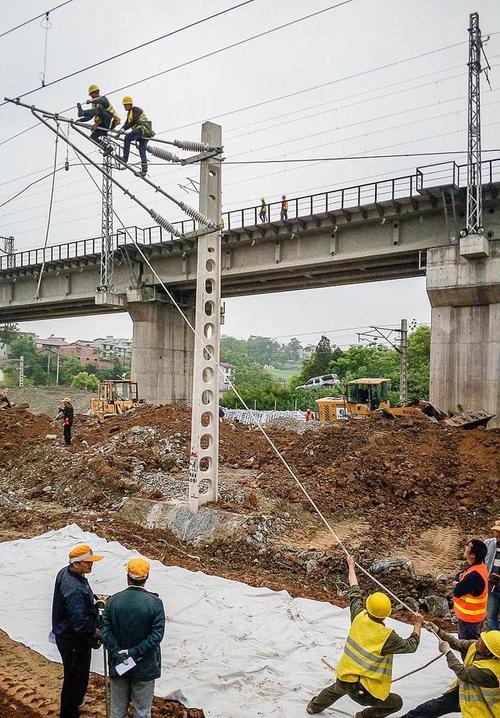
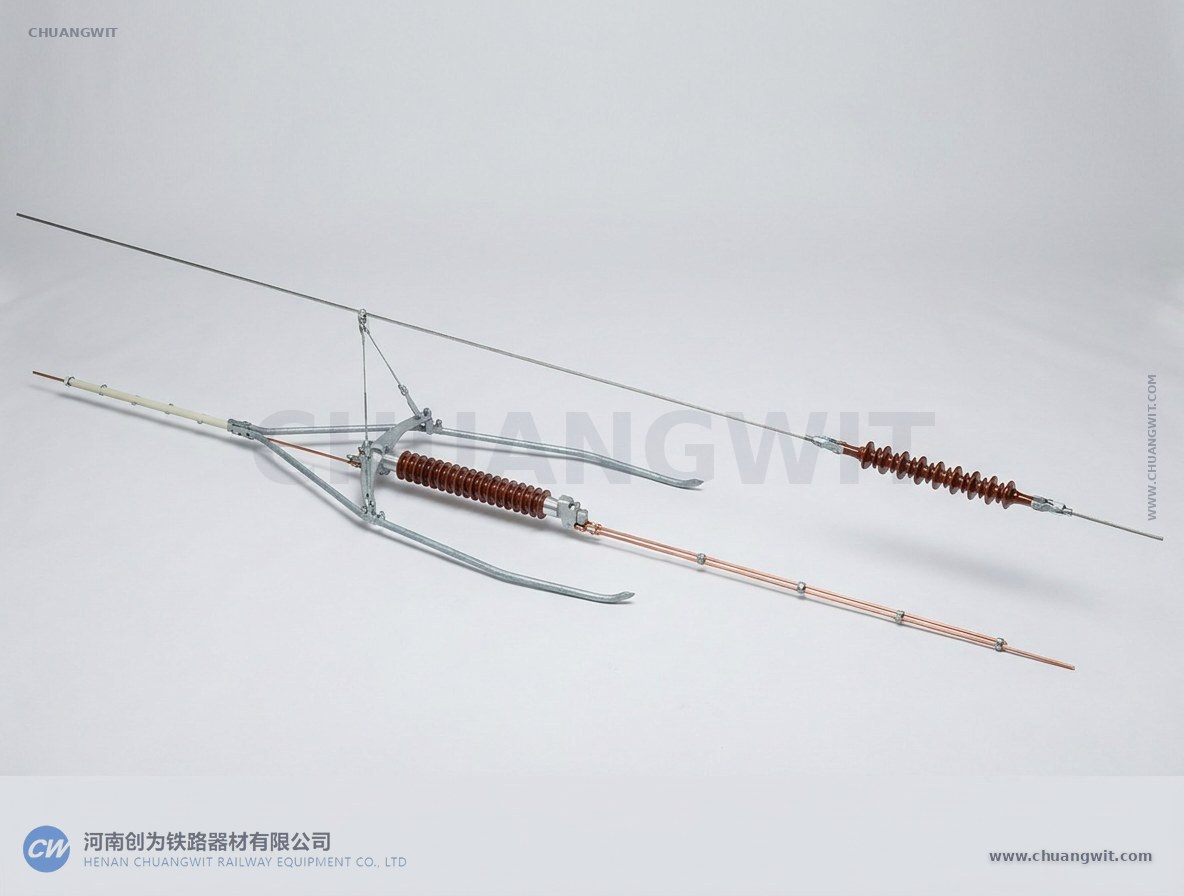
Overhead contact systems fail where mechanical, electrical and dynamic demands meet: a neutral section that a high-speed pantograph strikes hard, a heavy-haul catenary whose tension drifts with the seasons, a metro section insulator that tracks arcs until it flashes over. Each engineering note below takes one recurring failure or design problem on mainline and urban rail, explains the mechanism behind it, and shows how Chuangwit components resolve it in practice.

The notes are written for OCS design institutes, metro maintenance depots and railway EPC contractors. They draw on the same engineering data published across this catalogue, so every recommendation links to the concrete device that implements it - compensation devices sized for the span, insulators matched to the suspension type, disconnectors rated for the section current.

  • AT-fed full-compensation catenary - how automatic tensioning keeps 25 kV AC contact wire geometry stable across seasonal temperature swings.
  • Heavy-haul high-tension catenary - reinforcement strategy for high-tonnage freight corridors.
  • Metro section insulator failure analysis - root causes of DC section insulator flashovers and the maintenance optimisation that prevents them.
750 V vs 1500 V DC Traction: Choosing the System Voltage

750 V vs 1500 V DC Traction: Choosing the System Voltage

750 V DC versus 1500 V DC traction compared: current, losses, substation spacing, train power limits, and the standards ...

2x25 kV Autotransformer Feeding System Explained

2x25 kV Autotransformer Feeding System Explained

How 2x25 kV autotransformer feeding works: 50 kV between catenary and negative feeder, ATs every 10 to 15 km, and trains...

Why 27.5kV Lines Need Railway-Specific Arresters

Why 27.5kV Lines Need Railway-Specific Arresters

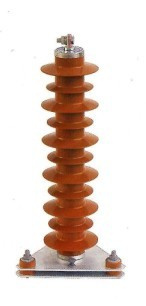
Why 27.5 kV traction feeders need railway-specific arresters: TB/T 1844 classes Y5WT and Y10WT-42/120, GB/T 11032 rating...

25 kV AC Traction Power: Why Single Phase at Utility Frequency

25 kV AC Traction Power: Why Single Phase at Utility Frequency

Why railways chose 25 kV AC single phase traction power at utility frequency: high voltage, low current, long feeding di...

Concrete vs Steel Poles for Railway Catenary: Durability and Lifecycle Cost

Concrete vs Steel Poles for Railway Catenary: Durability and Lifecycle Cost

Concrete vs steel pole for railway catenary: prestressed concrete strength, corrosion and cover spalling, earthing, weig...

OCS Components: A Complete Guide to Overhead Contact System Parts

OCS Components: A Complete Guide to Overhead Contact System Parts

OCS components explained family by family: masts, cantilevers, registration, wires, droppers, sectioning and protection ...

Composite vs Porcelain Arresters for Railway Overhead Lines

Composite vs Porcelain Arresters for Railway Overhead Lines

Composite arrester or porcelain arrester for railway lines: silicone housing, pollution performance, failure modes, hand...

Electrical Connection Clamps in OCS: Avoiding Overheated Joints

Electrical Connection Clamps in OCS: Avoiding Overheated Joints

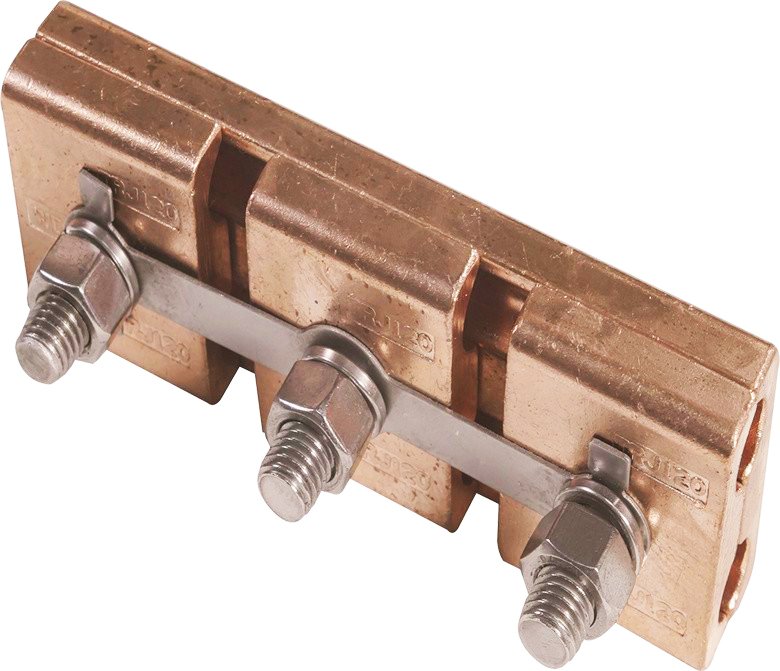
Electrical connection clamp design and care in OCS: contact resistance, bolted versus crimped joints, correct wire pairi...

Catenary Lightning Protection: Shielding, Arresters and Earthing Design

Catenary Lightning Protection: Shielding, Arresters and Earthing Design

Catenary lightning protection explained: shielding earth wires on masts, arrester placement at exposed points, and earth...

OCS Mast Types: Lattice Steel, H-Section Steel and Where Each Fits

OCS Mast Types: Lattice Steel, H-Section Steel and Where Each Fits

OCS mast types compared: lattice steel masts, H-section steel masts and guyed anchor variants, with guidance on selectio...

Emergency Repair Masts for OCS: Restoring Power After Structure Damage

Emergency Repair Masts for OCS: Restoring Power After Structure Damage

Emergency repair mast guide for OCS: aluminium quick-erect posts, load limits, speed restrictions and pre-positioning fo...

Railway Surge Arrester Selection: Y5WT vs Y10WT for 25 kV Catenary

Railway Surge Arrester Selection: Y5WT vs Y10WT for 25 kV Catenary

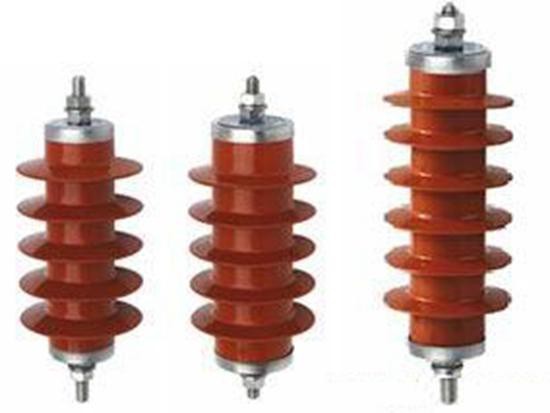
A practical guide to railway surge arrester selection on 25 kV catenary: Y5WT vs Y10WT designations, rated voltage, resi...

Positioning Tube OCS Guide: Sizing, Series and Registration Arms

Positioning Tube OCS Guide: Sizing, Series and Registration Arms

Positioning tube OCS guide: JL62 steel families and T-type tubes, load ratings, length series and matching the tube to s...

Post Insulator vs Suspension Insulator: Duties in Railway OCS

Post Insulator vs Suspension Insulator: Duties in Railway OCS

Post insulator and suspension insulator duties in railway OCS: bending strength on supports, tensile ratings in the wire...

Steady Arm Catenary Registration: How Locators Hold the Wire

Steady Arm Catenary Registration: How Locators Hold the Wire

Steady arm catenary guide: how locators control stagger and uplift, from aluminium alloy and steel types to elastic limi...

Cantilever Part Codes: Reading 1-1, 1-2 and 1-3 Series Designations

Cantilever Part Codes: Reading 1-1, 1-2 and 1-3 Series Designations

Cantilever part codes decoded: what 1-1, 1-2, 1-3 and 2A series numbers mean, how suffixes map to material and tube size...

Contact Wire Stagger: Calculation, Adjustment and Common Defects

Contact Wire Stagger: Calculation, Adjustment and Common Defects

Contact wire stagger explained: how zig-zag amplitudes are set out, adjusted at registration points, and the defects beh...

Porcelain vs Composite Insulator Choice for Railway OCS Cantilevers

Porcelain vs Composite Insulator Choice for Railway OCS Cantilevers

Porcelain vs composite insulator comparison for railway OCS: creepage and pollution behaviour, weight on cantilevers, fa...

Glass Suspension Insulator Discs: The Self-Shattering Advantage

Glass Suspension Insulator Discs: The Self-Shattering Advantage

Glass suspension insulator benefits: toughened shells that shatter visibly on failure, making patrol inspection of caten...

Pull-Off Registration vs Push-Up: Choosing Direction for Catenary Supports

Pull-Off Registration vs Push-Up: Choosing Direction for Catenary Supports

Pull-off registration and push-up registration explained: how stagger and curve geometry fix locator direction and the f...

179 items · Page 6 of 9FirstPrev···45678···NextLast

Need a project-specific OCS solution?