Railway OCS Solutions

Railway OCS engineering solutions: 25kV AT catenary, third-rail composite contact rail, heavy-haul reinforcement & maintenance guides.

Overhead contact systems fail where mechanical, electrical and dynamic demands meet: a neutral section that a high-speed pantograph strikes hard, a heavy-haul catenary whose tension drifts with the seasons, a metro section insulator that tracks arcs until it flashes over. Each engineering note below takes one recurring failure or design problem on mainline and urban rail, explains the mechanism behind it, and shows how Chuangwit components resolve it in practice.

The notes are written for OCS design institutes, metro maintenance depots and railway EPC contractors. They draw on the same engineering data published across this catalogue, so every recommendation links to the concrete device that implements it - compensation devices sized for the span, insulators matched to the suspension type, disconnectors rated for the section current.

  • AT-fed full-compensation catenary - how automatic tensioning keeps 25 kV AC contact wire geometry stable across seasonal temperature swings.
  • Heavy-haul high-tension catenary - reinforcement strategy for high-tonnage freight corridors.
  • Metro section insulator failure analysis - root causes of DC section insulator flashovers and the maintenance optimisation that prevents them.
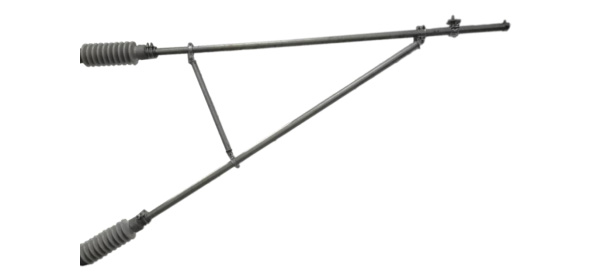
Catenary Cantilever Types: Steel vs Aluminum Assemblies and Speed Classes

Catenary Cantilever Types: Steel vs Aluminum Assemblies and Speed Classes

Catenary cantilever types compared: steel versus aluminium assemblies, insulation placement and how to match cantilever ...

Mid-Point Anchors: Why Every Tension Length Needs One

Mid-Point Anchors: Why Every Tension Length Needs One

A mid-point anchor clamps contact and messenger wire to the structure at the middle of a tension length, so one wire bre...

Catenary Droppers: Types, Spacing and Installation Practice

Catenary Droppers: Types, Spacing and Installation Practice

Catenary dropper types and dropper spacing explained: integral and pressed designs, spacing by system type, and height c...

OCS Crossings at Turnouts: Y, T and S Types and How They Are Wired

OCS Crossings at Turnouts: Y, T and S Types and How They Are Wired

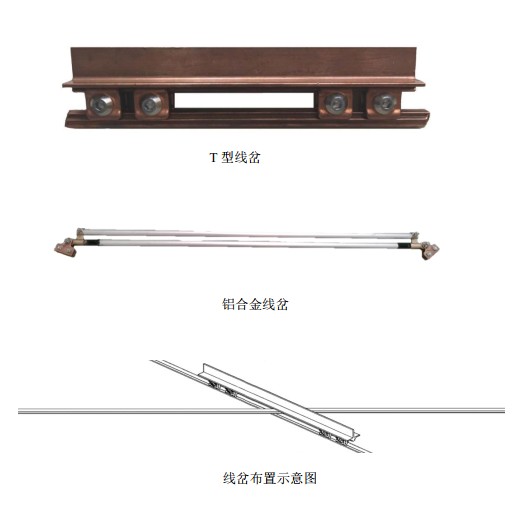
OCS crossing types at turnouts explained: Y, T and S geometry, crossing bars and runners, stagger through the crossing a...

Equalizing Wheels and D-Connectors in Catenary Tensioning Systems

Equalizing Wheels and D-Connectors in Catenary Tensioning Systems

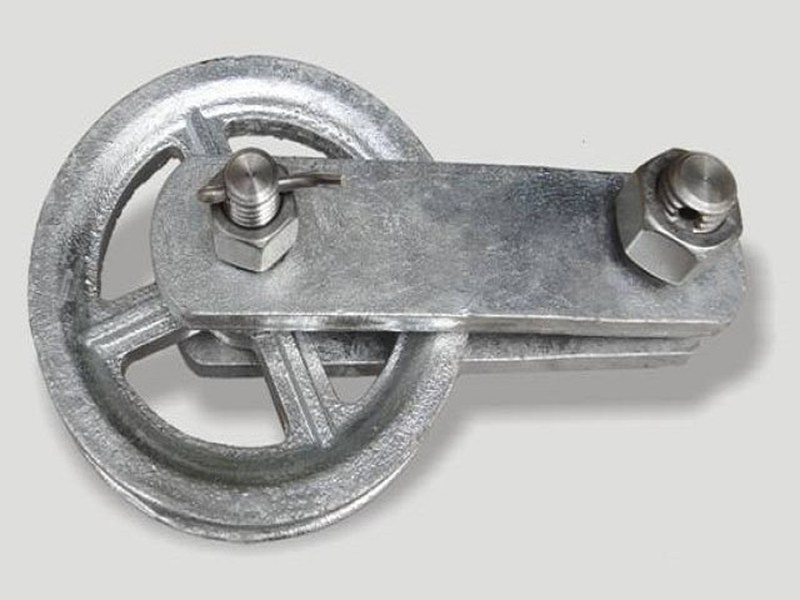
How an equalizing wheel shares tension between contact and messenger wire branches of a catenary tensioner, and how D-co...

Tunnel Catenary Support Systems: Hanging Posts, Brackets and Registration

Tunnel Catenary Support Systems: Hanging Posts, Brackets and Registration

Tunnel catenary support design: hanging posts, low-clearance registration brackets and adjusting bases for reliable OCS ...

Terminal Anchor Clamps for Contact and Messenger Wire: Types and Sizing

Terminal Anchor Clamps for Contact and Messenger Wire: Types and Sizing

Terminal anchor clamp types explained: wedge, cone-sleeve and set-screw clamps for contact and messenger wire, sizing to...

Stitch Wires (Steady Wires) in Elastic Catenary Systems: Purpose and Tuning

Stitch Wires (Steady Wires) in Elastic Catenary Systems: Purpose and Tuning

Stitch wire purpose in the elastic catenary: how stitch length and tuning by speed class set contact force, plus clamps,...

Catenary Compensation Device Installation: Ropes, Anchors, Safety Margins

Catenary Compensation Device Installation: Ropes, Anchors, Safety Margins

Compensation device installation for catenary anchors: setting arms and bases, rope routing, pre-tensioning and stack tr...

Contact Wire Hard Spots and Localised Wear: Finding and Fixing Them

Contact Wire Hard Spots and Localised Wear: Finding and Fixing Them

Contact wire hard spots: why stiffness jumps at clamps, joints and insulators cause sparking and localised wear, how the...

Ratchet vs Pulley Compensation Devices: Ratios, Travel and Reliability

Ratchet vs Pulley Compensation Devices: Ratios, Travel and Reliability

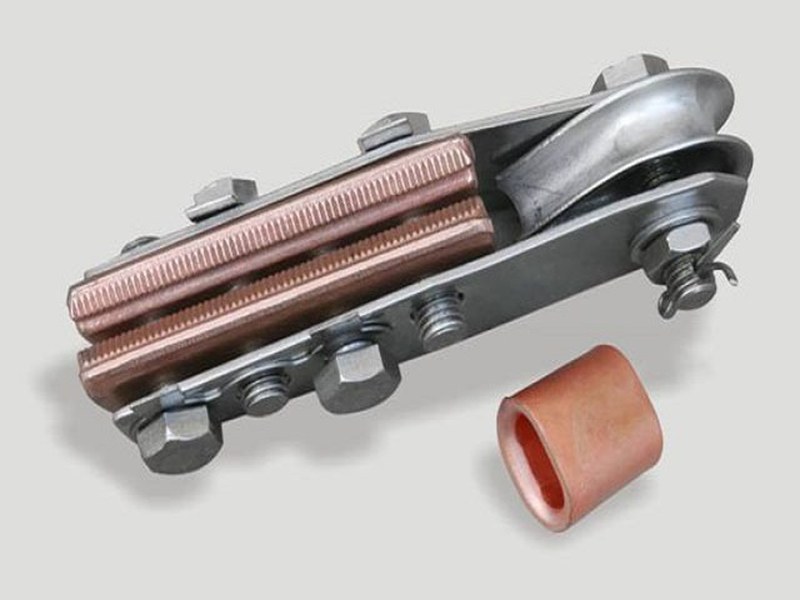
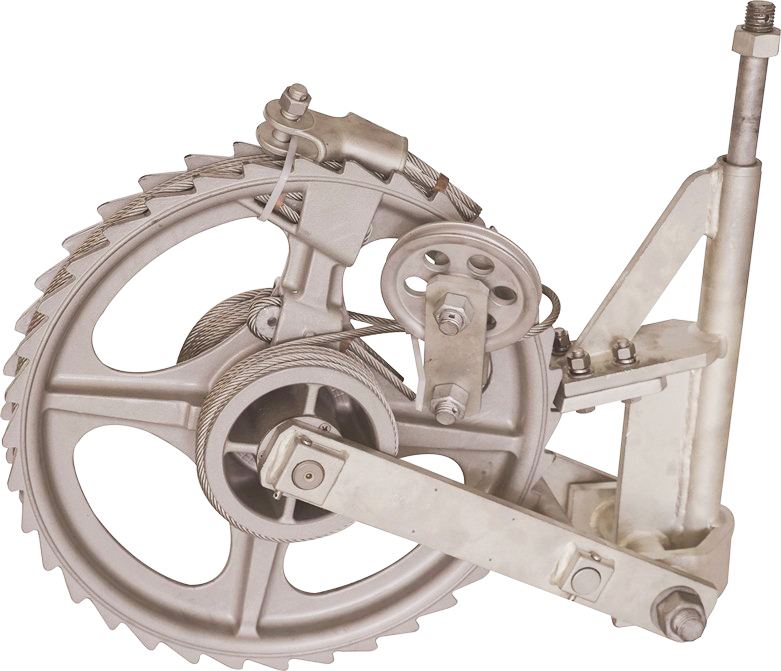
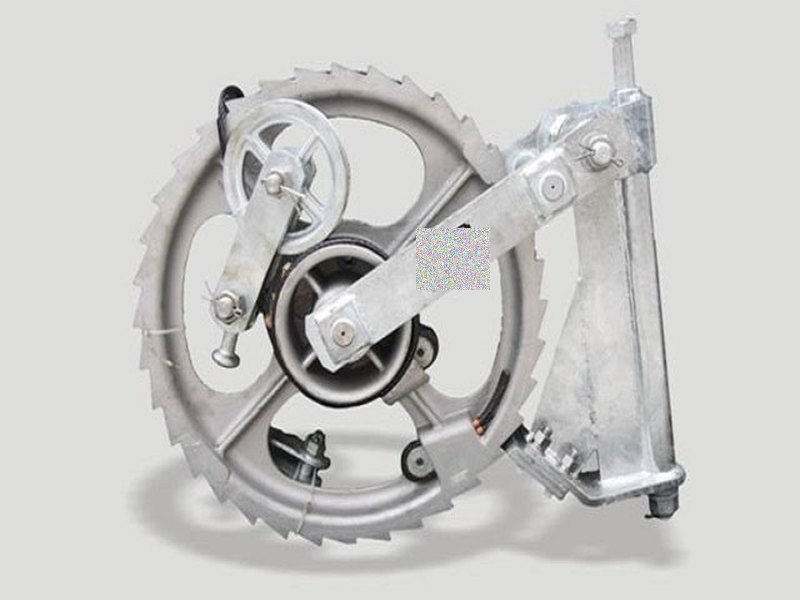
Ratchet compensation device or pulley tensioner? Compare catenary compensation ratios, counterweight travel, friction, f...

Falling Wheel Tensioners: How Weight-and-Wheel Compensation Works

Falling Wheel Tensioners: How Weight-and-Wheel Compensation Works

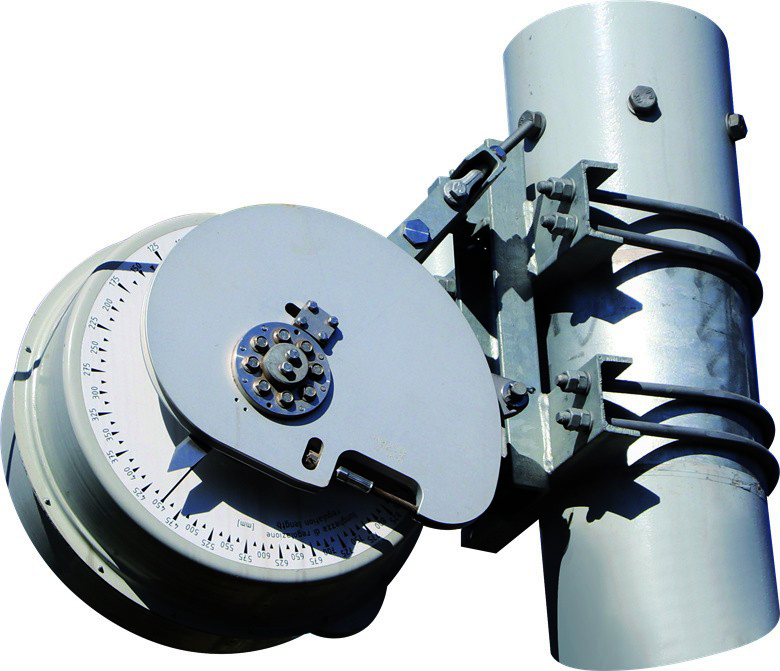
Falling wheel tensioner anatomy: how the grooved tension wheel, wire rope and catenary counterweight hold wire tension, ...

Why Overhead Lines Use Two Wires: Messenger and Contact Wire Explained

Why Overhead Lines Use Two Wires: Messenger and Contact Wire Explained

Catenary wire system: why a single sagging wire cannot give level contact, how messenger and contact wires share the wor...

Contact Wire FAQ: Sizes, Materials, Wear and Lifetime Questions Answered

Contact Wire FAQ: Sizes, Materials, Wear and Lifetime Questions Answered

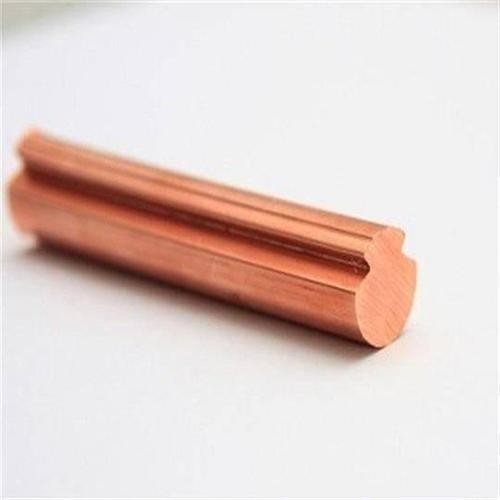
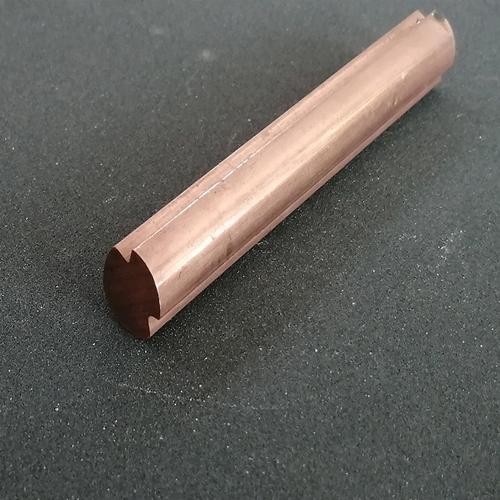
Contact wire FAQ: standard cross sections, grooved profile purpose, weight per metre, twin wires, service life and mater...

Spring Compensation Devices for Catenary: Where Constant-Force Springs Fit

Spring Compensation Devices for Catenary: Where Constant-Force Springs Fit

A spring compensation device replaces counterweights with constant-force springs, suiting catenary tunnels, depots and s...

Contact Wire Tension and Sag: Compensated vs Uncompensated Catenary

Contact Wire Tension and Sag: Compensated vs Uncompensated Catenary

Contact wire tension and catenary sag: temperature effects, uncompensated versus fully compensated systems, tension leng...

Contact Wire Types Explained: CT, CTA, CTM, CTS and CTCZ Copper Alloys

Contact Wire Types Explained: CT, CTA, CTM, CTS and CTCZ Copper Alloys

Contact wire types compared: CT copper, CTA copper-silver, CTM copper-magnesium, CTS copper-tin and CTCZ alloys on condu...

Contact Wire Joints and Splices: Keeping the Pantograph Path Smooth

Contact Wire Joints and Splices: Keeping the Pantograph Path Smooth

Contact wire splice and joint types, height and stagger tolerances, hard spot causes, quality checks and positioning rul...

Load Switch vs Circuit Breaker vs Disconnector: How to Choose

Load Switch vs Circuit Breaker vs Disconnector: How to Choose

Load switch vs circuit breaker vs disconnector selection explained: making and breaking capability, fuse combinations an...

CuMg vs CuAg Contact Wire: Alloys for High-Speed and Heavy-Haul Lines

CuMg vs CuAg Contact Wire: Alloys for High-Speed and Heavy-Haul Lines

CuMg vs CuAg contact wire compared: tensile strength, conductivity, wear, speed and cost, with guidance on tensioning an...

179 items · Page 7 of 9FirstPrev···56789NextLast

Need a project-specific OCS solution?