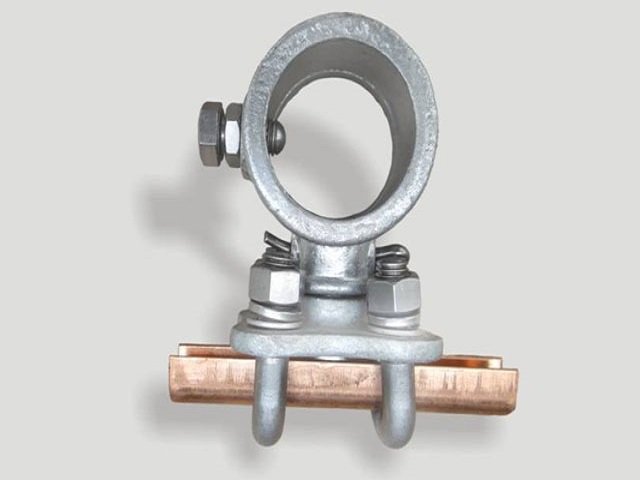
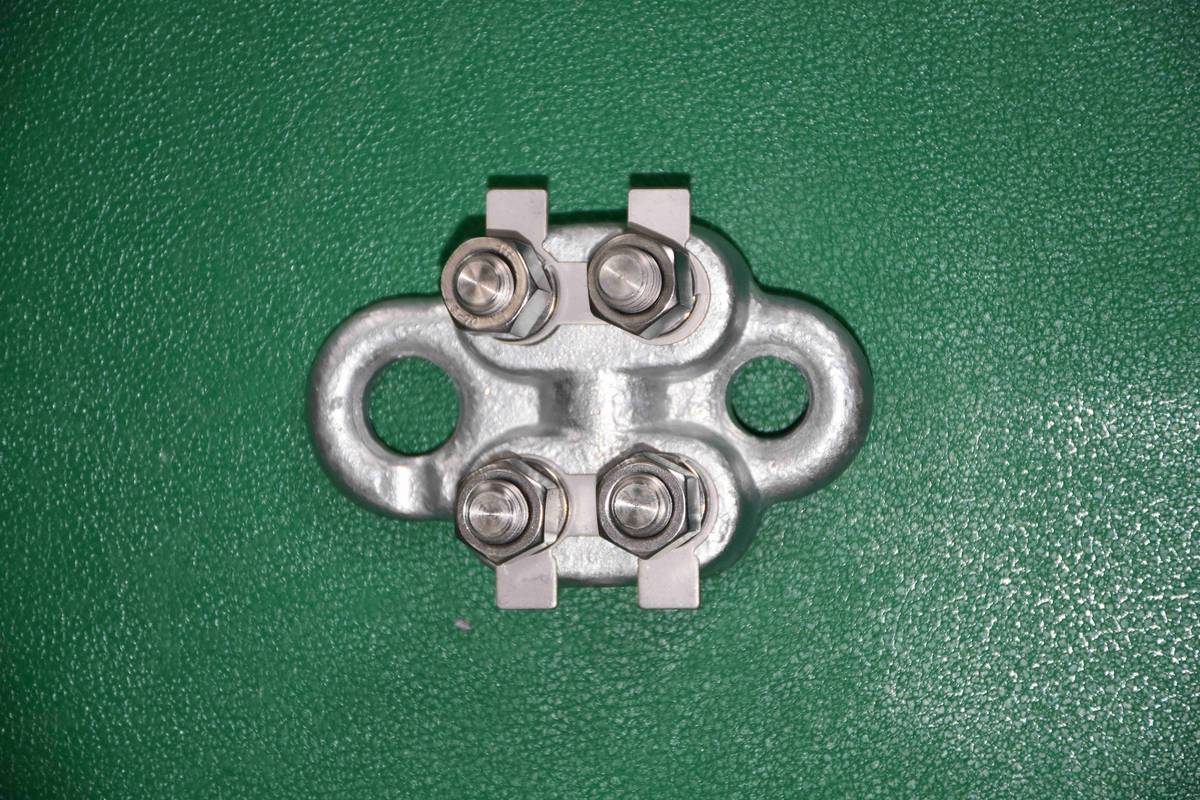
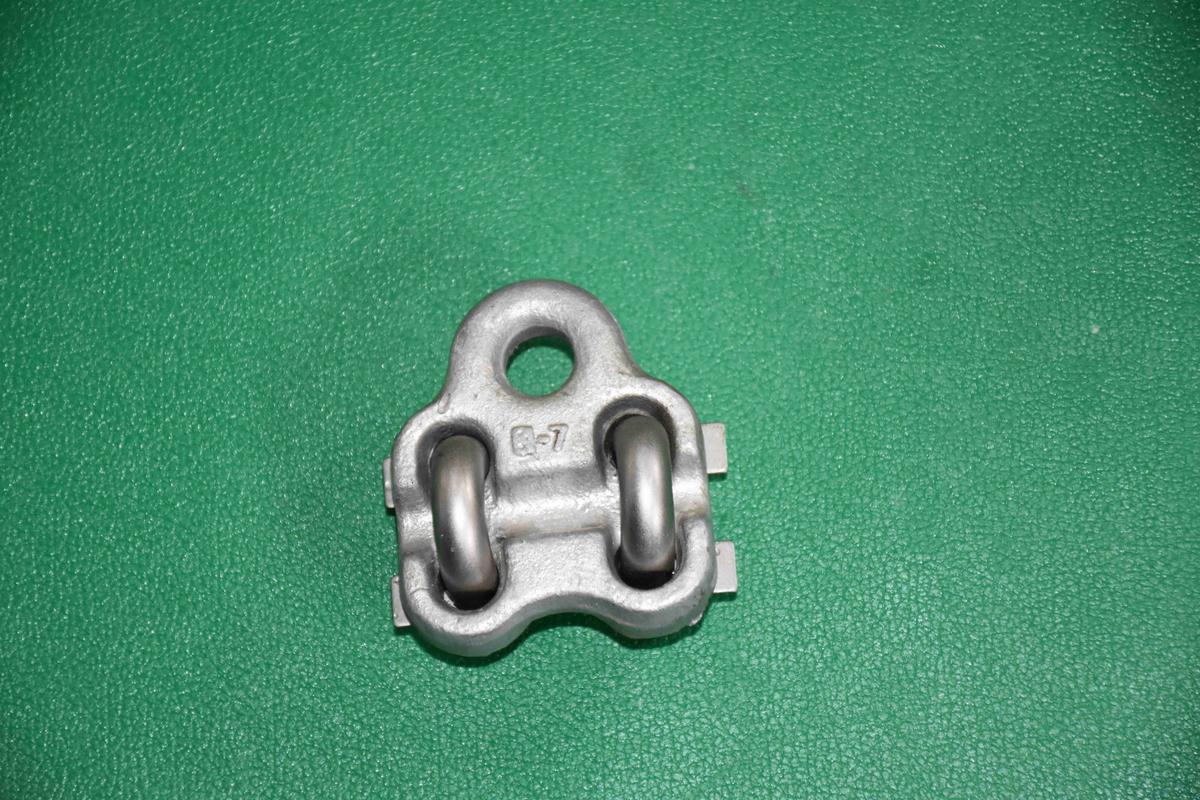
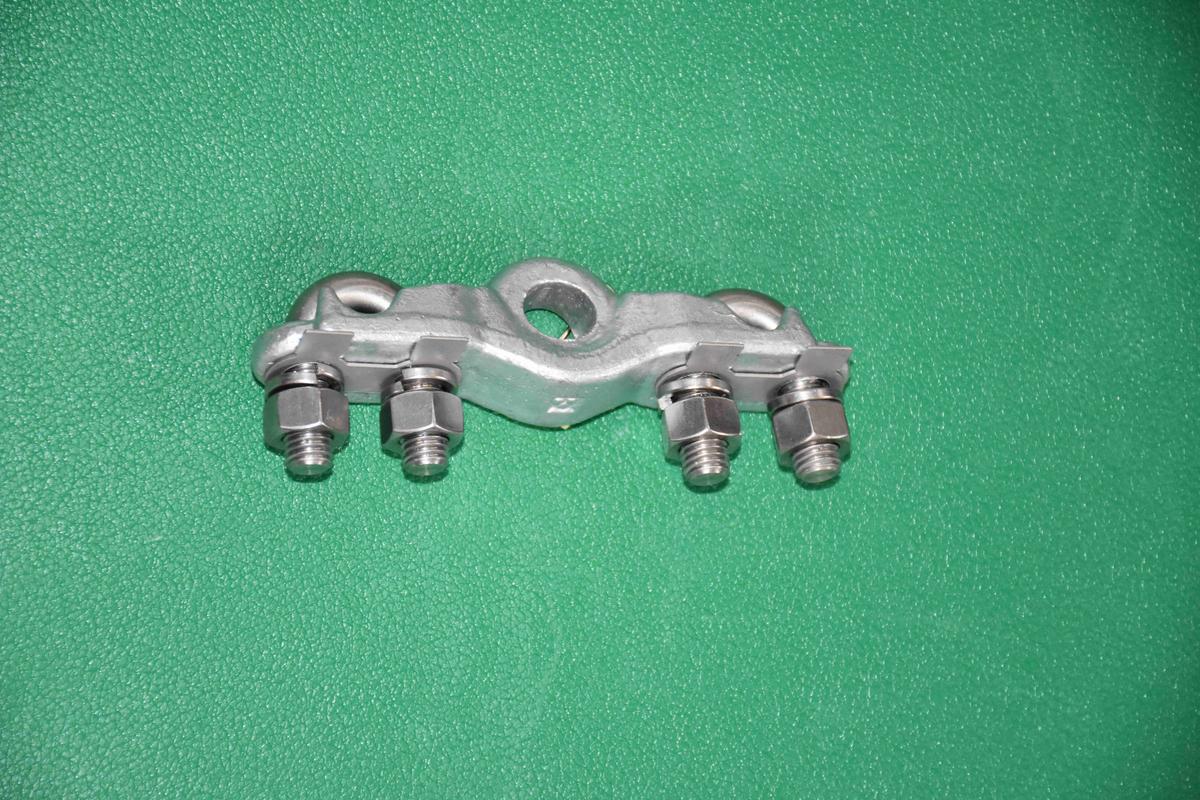
Henan Chuangwit positioning devices hold the contact wire where the OCS design puts it — at the right stagger, at every support point, through every temperature swing and pantograph passage. The positioning assembly is the last link between the support structure and the wire: a locator grips the contact wire, a registration bracket on the positioning tube carries it, and around them sit the clamps, eyes, suspenders and stays that tune the geometry. How well this assembly works decides pantograph behaviour at every single pole.
The range covers all four registration situations of the TB/T 2075 system. Limit-type positioning devices (Part 3) for lines up to 350 km/h, where a stop face caps contact wire uplift; non-limit-type devices (Part 4) for conventional registration; head-span suspension (Part 18) for multi-track station spans; and tunnel positioning (Part 22) for confined cross-sections. Alongside the standard parts run the JL-series assemblies — aluminum alloy locators, CJL63(H), elastic limit locators and the JL62 / 34/48 / JL55-L positioning tube families — supplied to drawing numbers for high-speed and mainline projects.
Everything is manufactured under CRCC railway product certification with ISO 9001 quality management, and runs today across China mainline high-speed and conventional networks. Send us your OCS cross-sections and speed class — our engineers will propose the registration assembly, part by part.
Product Groups
- JL-Series Assemblies — Aluminum Alloy Locator BHF-A13 (1200 mm) · CJL63(H) Locator · Elastic Limit Locator JL0563(G)-02 · Head-Span Positioning Device · JL62-89 / JL62-07 / JL62(1/2)-85 Positioning Tubes · 34/48 Series Tubes · JL55-L Aluminum Tube
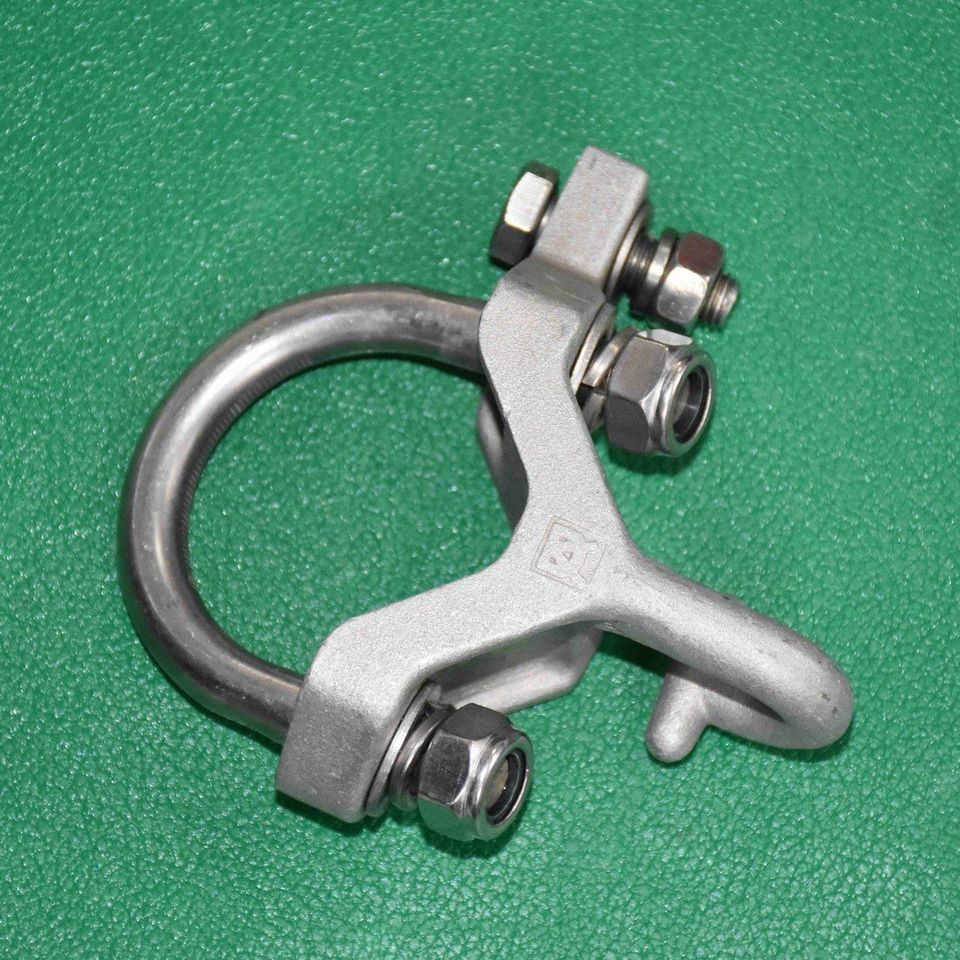
- Limit-Type Registration (TB/T 2075.3) — 3-1 Limit Locator · 3-2 Registration Bracket · 3-4A Registration Clamp · 3-5 Registration Eyes · 3-6 Positioning Tubes · 3-7B Tube Suspender · 3-8 Suspender Hook · Tube Clamp · 3-9 Wind Brace Rope · 3-10 Anchor Ring · 3-3 Equipotential Jumper
- Non-Limit-Type Registration (TB/T 2075.4) — 4-1 Standard Locator · 4-3A Special Locator · 4-4 Flexible Locator · 4-5 Long Registration Eye · 4-6 Support Fitting · 4-7A Anchor Registration Clip · 4-8 Registration Eye Clamp
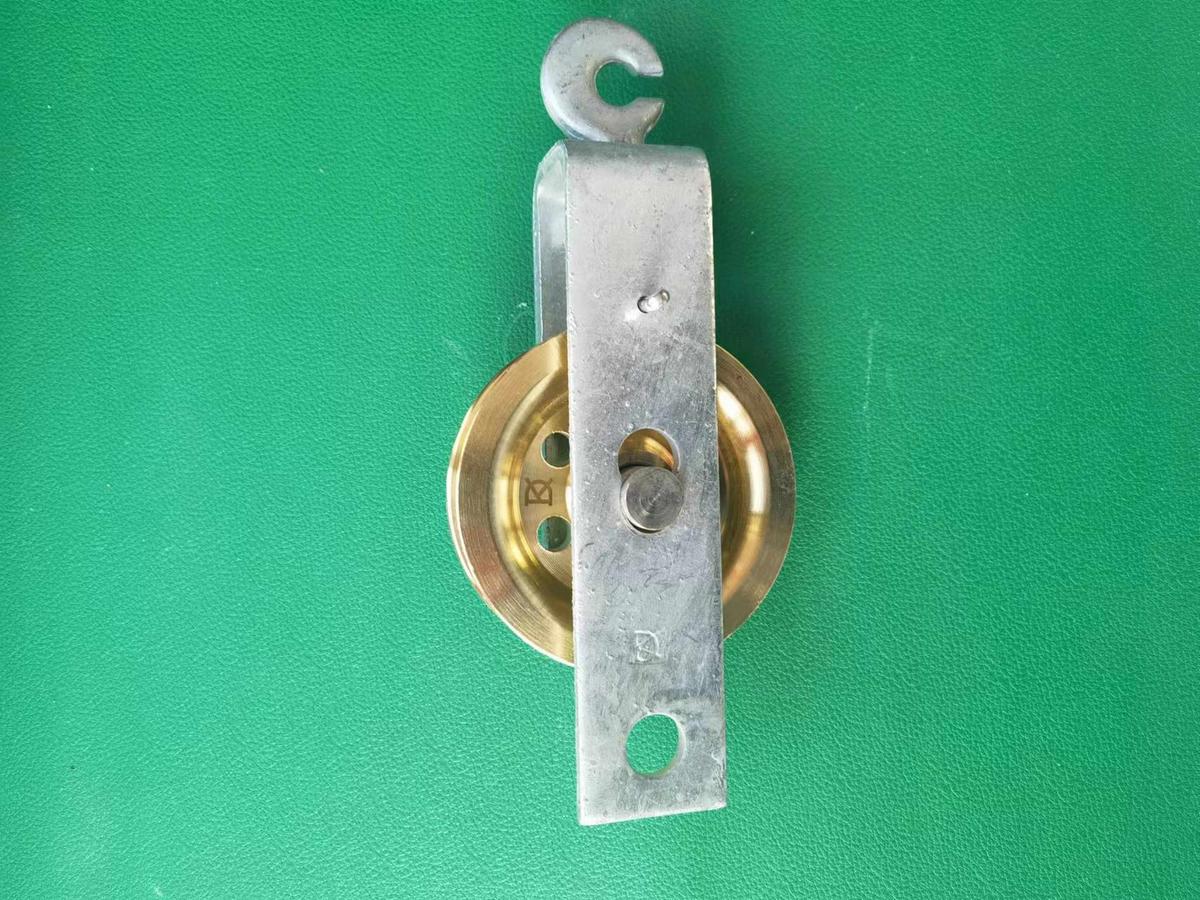
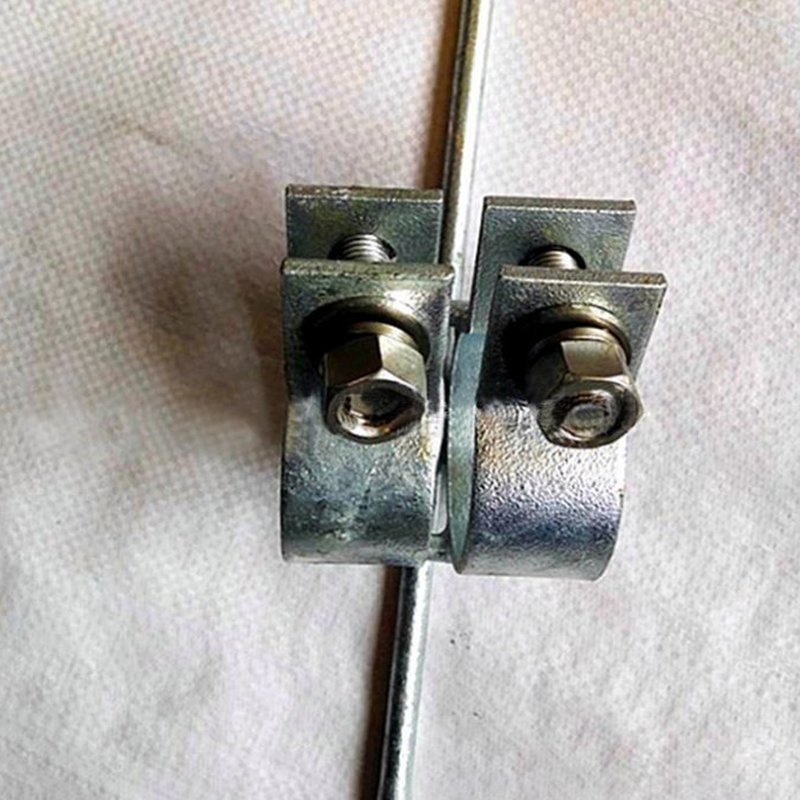
- Head-Span & Tunnel (TB/T 2075.18 / .22) — 18-1 / 18-2 Cross Catenary Clamps · 18-3 Suspension Pulley · 22-4A Tunnel Registration Bracket
Selection Guide
By speed class. Lines up to 200–250 km/h register with non-limit or round-section limit parts in galvanized steel; 250–350 km/h high-speed lines move to the aluminum system — rectangular-section 3-1B locators, 3-6B55 tubes, 3-5B70 eyes and the JL55-L / BHF-A13 assemblies — where low registration mass and uplift control decide current collection quality.
By structure. Cantilever lines: positioning tube hinged to the inclined cantilever, bracket and locator at the wire. Station spans: head-span positioning with 18-x clamps and pulleys. Tunnels: 22-4A bracket on the tunnel support structure. Each situation assembles from its own TB/T 2075 part family.
By load. Locator and tube ratings matter at heavier points: CJL63(H) carries 2.5 kN working, the JL62 tubes 4.5 kN, the head-span set 3.0 kN — check the point load case in your OCS design before choosing.
Standards & Compliance
| Product design standards | TB/T 2075 series — Fittings for overhead contact system of electrification railway: Part 3 (limit-type positioning devices), Part 4 (non-limit-type), Part 18 (head-span suspension), Part 22 (tunnel support and positioning) |
| International system context | Suitable for overhead contact line projects specified to IEC 60913:2024 (international) and EN 50119:2020 (Europe) |
| Test evidence | CRCC certification and type test reports available on request; additional testing to IEC/EN methods negotiable per project |
Chuangwit positioning devices are produced under CRCC railway product certification; documentation packages for projects specified to IEC 60913 or EN 50119 are available on request.
Frequently Asked Questions
What does a positioning device do in an overhead contact system?
It holds the contact wire at its designed stagger (pull-off) at each support point, lets the wire move with temperature and train loads, and on higher-speed lines limits how far the wire can rise as the pantograph passes — the geometry of every pole depends on it.
Limit-type or non-limit-type registration: which do I need?
Follow the line speed and OCS design: limit-type devices (with an uplift stop) serve higher-speed lines up to 350 km/h; non-limit-type devices register conventionally on straight and general-curve sections of conventional lines.
Steel or aluminum registration parts?
Galvanized steel covers conventional and 200–250 km/h duty economically. Aluminum (6082-T6 / Al-Si families) lowers the registration point mass for 250–350 km/h high-speed lines and resists corrosion without coating.
What information do you need to quote a positioning assembly?
Line speed class, OCS cross-section drawings (or mast type and registration geometry), wire section, point load case if available, and quantity. We confirm part-by-part selection and interface dimensions before manufacture.
Can you supply to our drawing numbers?
Yes — the JL-series assemblies are supplied to design drawing numbers (for example BHF-A13 locators and JL62 tubes), and standard TB/T 2075 parts are supplied from stock tooling with type test documentation.