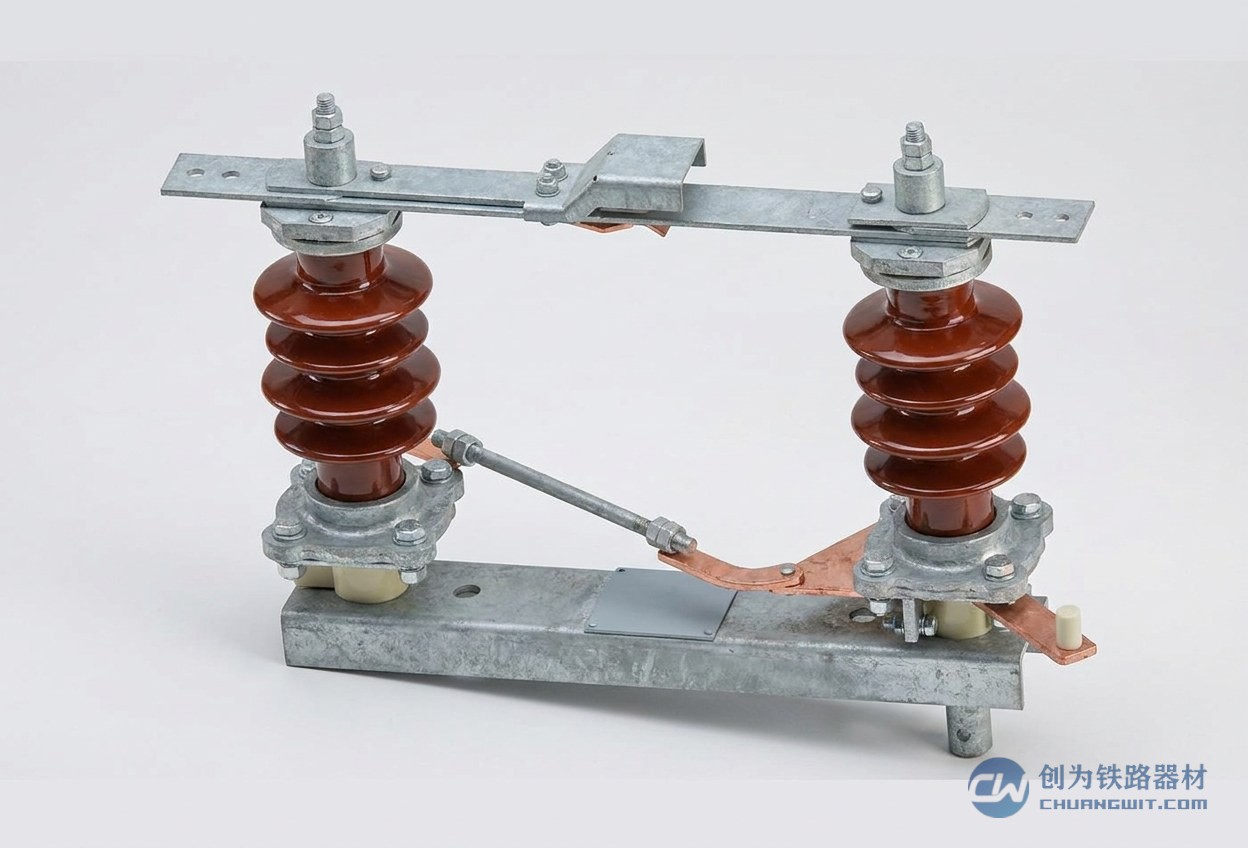
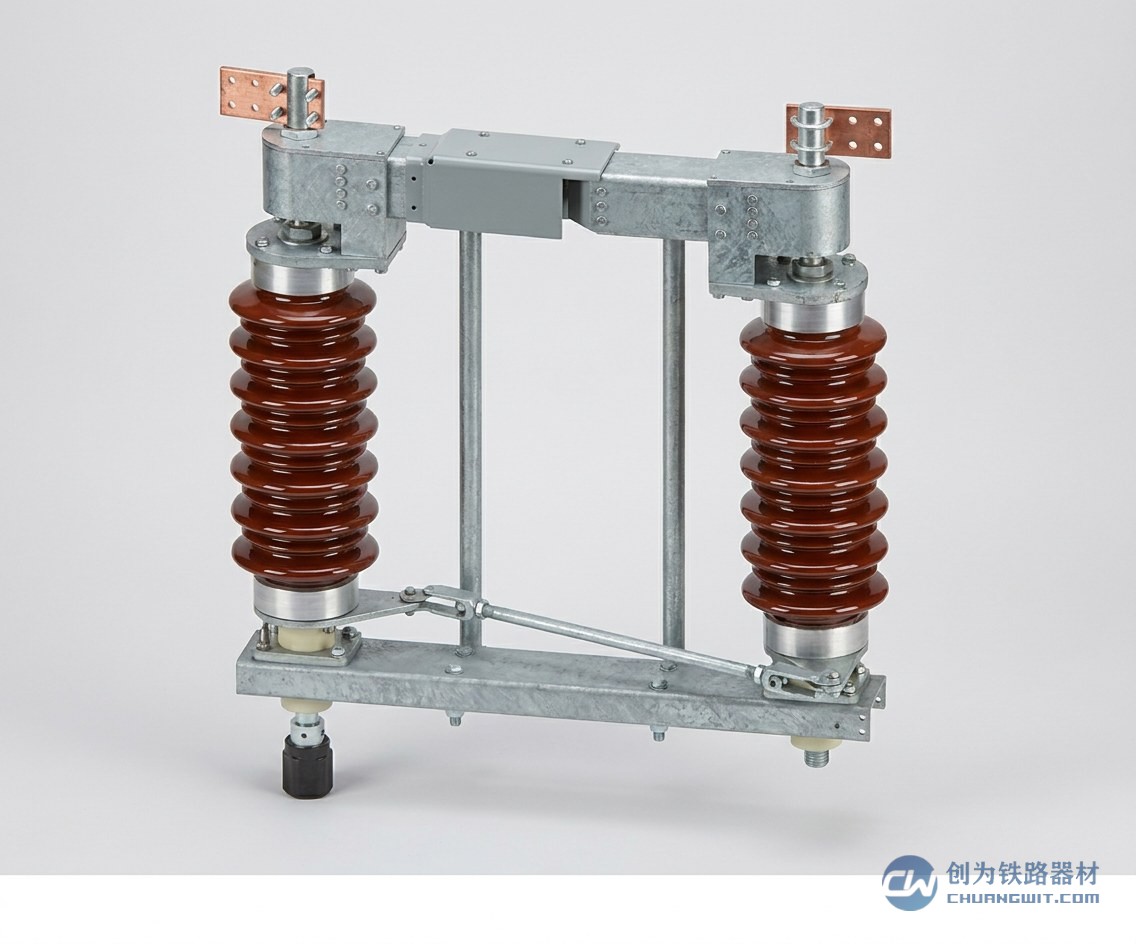
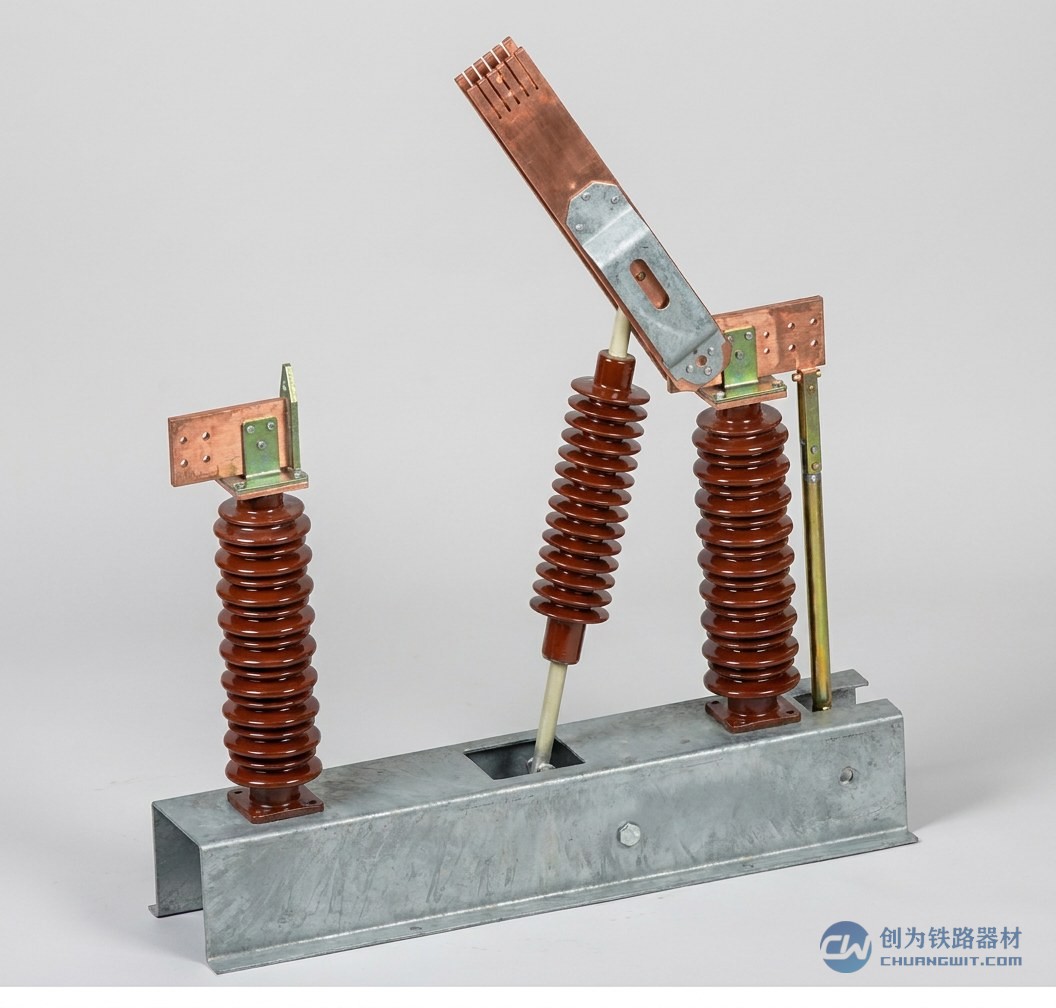
The quality with which an OCS section insulator is installed and adjusted directly determines how smoothly the pantograph passes and how long the section insulator lasts. Inaccurate positioning or incomplete adjustment will at best create hard points and cause arcing, and at worst strike the pantograph, damage the pantograph strip, or even injure the insulating parts and disrupt both supply and traffic. Drawing on installation practice with the section insulator products of Henan Chuangwit Railway Equipment Co., Ltd., this article systematically sets out the preparation and positioning requirements, the key points of installation and adjustment, the routine maintenance items and the approach to common problems such as hard points and arcing, for the reference of OCS installation and O&M personnel. All intervals and values mentioned are subject to the design documents, the product manual and the maintenance regulations of the operating company.
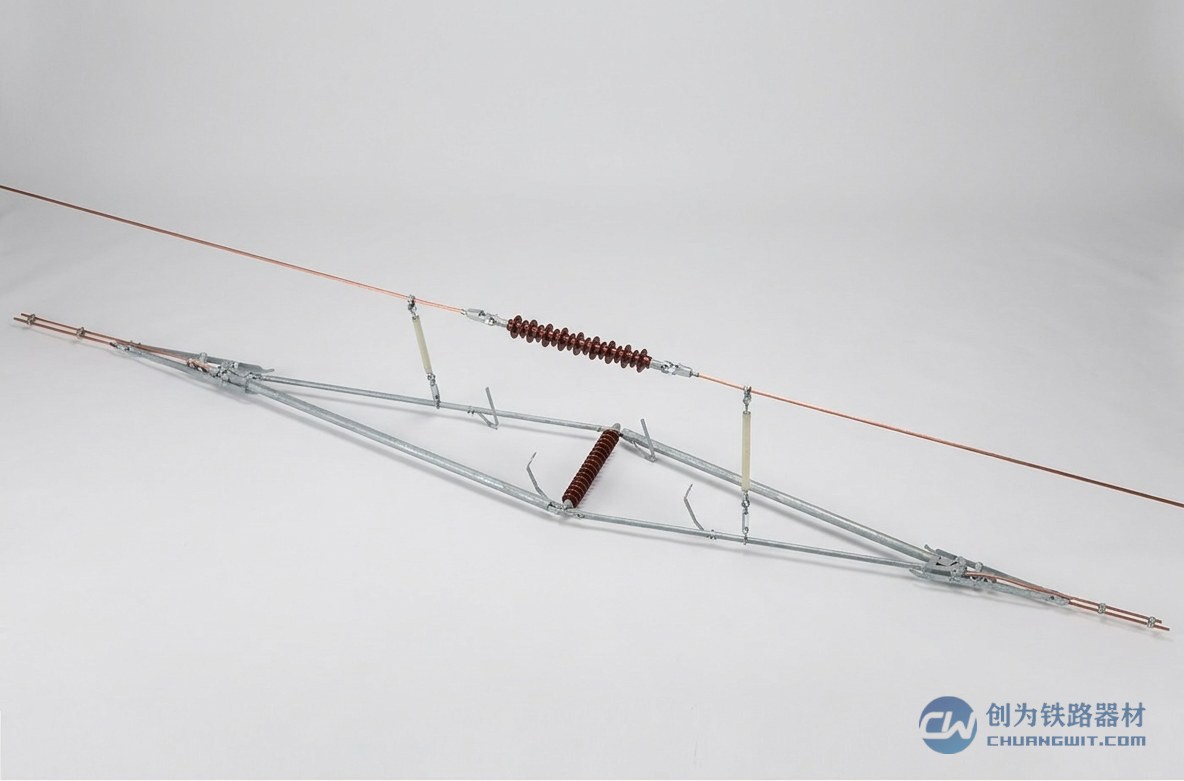
Preparation and Positioning Requirements Before Installation
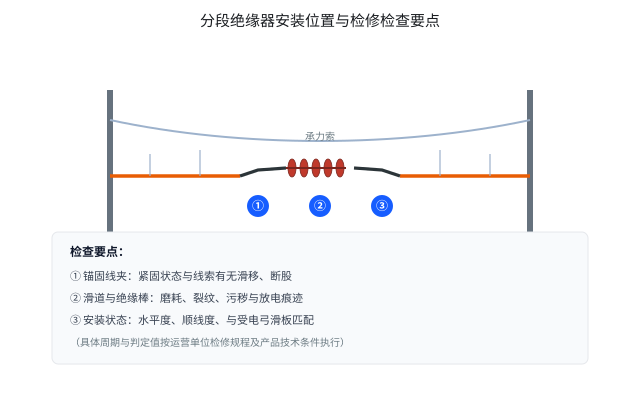
Installing a section insulator is work at height on the overhead contact system, and whether the preparation before work starts is thorough has a direct bearing on installation quality and productivity.
- Documentation check: confirm that the section insulator model and installation drawing specified in the design documents match the product delivered, and become familiar with the installation requirements, the list of special tools and the documents supplied with the product.
- Unpacking inspection: check the insulating parts for cracks, damage and contamination, the runners and frame for transport deformation, and that all fasteners are present. Deal with any problem before installation; never install a defective unit.
- Positioning survey: establish the position of the section insulator within the span from the installation drawing, recheck the position of the support devices on both sides of the installation point, the conductor height and the stagger, and allow adjustment margin for setting the negative sag. The installation position is fixed by the design and must not be moved at will on site; where a change is genuinely necessary it must be confirmed by the designer.
- Work organisation: bring the installation into the possession plan, implement the safety measures such as voltage testing and earthing before work begins, have the level and tightening tools ready, and define the division of tasks and the protection arrangements.
Key Points of Installation and Adjustment: Level, Tightening, Protection of Insulating Parts and Transition Matching
Installation and adjustment are the core of section insulator work and directly determine the quality of pantograph passage. Five aspects deserve particular attention.
- Level control: the working surface of the section insulator should be kept level, with the level deviation in accordance with the product manual and the installation drawing, verified with a spirit level or a measuring device rather than estimated by eye. A skewed working surface causes uneven wear of the pantograph strip and is a common root cause of hard points later on.
- Bolt tightening: tighten all connecting bolts to the torque specified in the manual and apply locking measures, then recheck every point after tightening. Never substitute feel for the torque requirement, and prevent vibration in service from loosening the joints.
- Protection of insulating parts: during installation, avoid knocks, scratches and contamination on the surface of the insulating parts, do not stand on them and do not strike them with tools; clean the insulating parts and the runner working surfaces when installation is complete.
- Negative sag setting: a negative sag should be set during installation in accordance with the design documents and the product manual so that the pantograph passes with a smooth transition. The value depends on the span, the structural height, the suspension form and the line conditions, and should be determined and verified by measurement on site rather than copied from rule-of-thumb figures.
- Transition matching with the pantograph strip: check the height difference and gradient where the runner working surface meets the contact wires on both sides, so that the pantograph carbon strip neither rises nor drops abruptly on entering and leaving the section insulator. Where necessary, make fine adjustments through the adjacent droppers so that the whole transition is smooth and continuous.
Once adjustment is complete, the acceptance stage normally includes a cold sliding test to observe the pantograph as it passes the section insulator, and the installation is handed over for service only after it has been confirmed that there is no abnormal impact and no pantograph striking or uneven wear. Background on the concepts involved can be found in the encyclopedia entries referenced on this site.
Routine Maintenance Items and Inspection Content
Section insulators are exposed outdoors for long periods and are subjected to the combined effects of vibration, arcing and pollution. The maintenance interval and items follow the maintenance regulations of the operating company, and operators with the necessary capability may arrange inspections on a condition-based basis. Routine maintenance covers the following four items.
- Visual inspection: check the insulating parts for cracks, damage, traces of discharge and burn marks; the runners for chipped edges, loss of material and abnormal wear; and the frame, clamps and connecting plates for deformation, corrosion and burn marks.
- Cleaning of insulating parts: remove pollution and arc deposit residue from the insulating parts and the runner working surfaces, and clean more frequently in heavily polluted sections. Clean in a way that does not damage the insulating surface, so as to avoid secondary contamination.
- Runner wear measurement: measure runner wear at the positions and by the methods specified in the product manual and keep records, watch the wear trend, and replace the runner in good time as it approaches the limit or shows local abnormal wear. After replacement, recheck the transition condition of the working surface.
- Sampling of fasteners: sample and re-tighten the connecting bolts and locking devices, and where looseness, seizure or damage is found, widen the scope of inspection batch by batch, deal with the problem promptly and record it.
It should be noted that, as regards the maintenance standard for section insulators, the specific items, intervals and limit values are governed by the maintenance regulations of the operating company concerned and by the product manual, and differ between lines and between models. The content of this article does not replace the formal maintenance documents.
Common Problems Such as Hard Points and Arcing, and How to Deal with Them
Hard points: noticeable impact, sparking or abnormal noise as the pantograph passes the section insulator is usually connected with excessive deviation of the working surface from level, an incorrect negative sag setting, uneven runner wear or an unsuitable arrangement of the adjacent droppers. The treatment is to re-measure the level of the working surface and the transition height difference on both sides, then verify the negative sag value, and finally check the condition of the runners and the adjacent droppers, eliminating the causes one by one and arranging a re-measurement to confirm the result.
Arcing: repeated arc burn marks at the gap or on the working surface of a section insulator may be connected with contamination of the working surface and the insulating parts, poor contact between strip and runner, or erosion of components. First clean the insulating parts and the runner working surfaces, check how the strip contacts the runner and how it is wearing, and where necessary check the gap-related dimensions against the manual. Components with severe erosion should be replaced promptly so that the defect does not spread.
Whether the problem was a hard point or arcing, after treatment the passage of the pantograph should be tracked through a cold sliding test or through observation in service, and normal operation resumed only once the problem has been confirmed as eliminated.
Frequently Asked Questions
Why is a cold sliding test carried out after installing a section insulator?
A cold sliding test runs a raised pantograph along the line without traction current, and is a common means of checking the installation quality of the overhead contact system and the section insulator and of detecting hard points and risks of pantograph striking. The detailed organisation of the test and the acceptance criteria are governed by the project design and by the rules of the managing organisation.
How is the negative sag of a section insulator calculated?
The negative sag value should follow the design documents and the product manual and be established on site in the light of the span, the structural height and the line conditions. The value differs between models and between spans, so rule-of-thumb figures should not be applied directly; after installation the value should be measured, verified and recorded.
How often should a section insulator be maintained?
The maintenance interval and items follow the maintenance regulations of the operating company, and inspections may be arranged more frequently on a condition-based basis in heavily polluted sections and where headways are short. Maintenance plans should be based on the formal maintenance documents of the line concerned.
Can section insulator installation videos found online simply be copied?
A section insulator installation video can serve as supporting material for understanding the installation process, but the actual installation and adjustment must follow the design documents, the product manual and on-site technical guidance from the manufacturer. Different models have different constructions and adjustment requirements, and copying a video carries quality and safety risks.
How much runner wear calls for replacement?
The replacement limit is the value specified in the product manual and in the maintenance regulations of the operating company. In routine maintenance the wear should be measured at fixed points and the trend recorded, and the runner replaced promptly as it approaches the limit or develops chipped edges and loss of material, so that hard points do not worsen.
Installing, adjusting and maintaining a section insulator requires working to the drawings and to the procedures, and also a familiarity with the product structure and with the running behaviour of the pantograph. You may find further background in the encyclopedia entries on section insulator installation essentials and on the cold sliding test, and you are welcome to visit the section insulator product range pages of Henan Chuangwit Railway Equipment Co., Ltd. for model data and technical support on installation and adjustment.