Remote Monitoring of the Open/Closed Status of OCS Disconnectors Based on Digital Image Recognition
— An Intelligent Visual Surveillance Method for Telecontrol System Visualization in Traction Power Supply
Abstract
The OCS (overhead contact system) disconnector is primary equipment in the traction power supply system of an electrified railway that performs supply sectioning, fault isolation and feeding-mode transfer; its open/closed status bears directly on traction supply safety. At present the position signal of the telecontrol (SCADA) system comes mainly from auxiliary switches and mechanical indicators. When the transmission seizes, an auxiliary contact makes poor contact or the spring stores insufficient energy, the position signal becomes inconsistent with the true contact state, and the telecontrol system itself cannot detect the hidden hazard of an incomplete open or close operation. Accidents such as closing an earthing switch onto a live circuit, phase-to-phase short circuits and burnt-through messenger wires therefore occur from time to time. To address this problem, this paper proposes a remote visual monitoring scheme for disconnector open/closed status based on digital image recognition. On-site high-definition cameras act as the sensing front end and return images over a dedicated railway optical fibre network and a free-space optical (FSO) link. At the monitoring centre, image preprocessing, Hough-transform line extraction, convolutional neural networks (CNN) and an improved YOLO object-detection algorithm are combined to complete a three-stage discrimination of "blade localisation, state recognition and angle quantification", and the recognition result is combined with the SCADA auxiliary contact signal to form a "dual confirmation" criterion. In experiments on a self-built OCS disconnector dataset, the method reaches an average precision above 91% in open/closed state recognition, and the detection rate for incomplete-operation hazards is markedly higher than that obtained from auxiliary contacts alone.
Keywords: OCS disconnector; digital image recognition; open/closed status monitoring; telecontrol system; deep learning; YOLO; dual confirmation
1. Introduction
By the end of 2024 the national railway network had reached 160000 km, of which the electrified mileage accounted for more than 75%, and the high-speed railway network had exceeded 46000 km [1]. The safe operation of the traction power supply system of an electrified railway has a direct bearing on train order.
In the traction power supply system the OCS disconnector performs electrical sectioning of the contact line, isolation of faulted sections, transfer of the feeding mode, and provision of a visible break for maintenance work. At large hubs, stations, multiple unit depots and at phase breaks and sectioning points along the line, the installed density of disconnectors can reach dozens of units per kilometre [2], and their state directly determines whether the feeding mode can be transferred safely.
The great majority of OCS disconnectors have now been incorporated into the SCADA (Supervisory Control and Data Acquisition) telecontrol system and support remote control, remote signalling and remote measurement [3]. The position signal obtained by the telecontrol system, however, comes mainly from auxiliary switches and mechanical position indicators. When the transmission seizes, an auxiliary contact makes poor contact, the spring stores insufficient energy or the motor fails under vibration, the telecontrol system produces false signals and false alarms and the position signal no longer agrees with the true contact state [4-5]. In recent years accidents caused by incomplete disconnector operation, such as closing an earthing switch onto a live circuit and phase-to-phase short circuits, have been reported repeatedly [6-7].
Introducing an independent, visual means of state discrimination alongside the telecontrol system, so that an incomplete open or close operation can be identified quickly, is a practical problem confronting intelligent operation and maintenance of traction power supply. The development of computer vision and deep learning offers a new technical path for this requirement [8]. Remote visual surveillance of the blade, the contacts and the transmission linkage allows the open/closed position to be judged objectively without altering the structure of the switch itself, thereby covering the signal blind spots of the telecontrol system.
This paper reviews the state of the art and the key methods of remote monitoring of disconnector open/closed status, compares the two technical routes of classical image processing and deep learning, discusses multi-modal image fusion and the "dual confirmation" discrimination mechanism, and analyses the limitations of existing methods together with the direction of future development.
2. Background and Significance
2.1 OCS disconnectors and their role in traction power supply
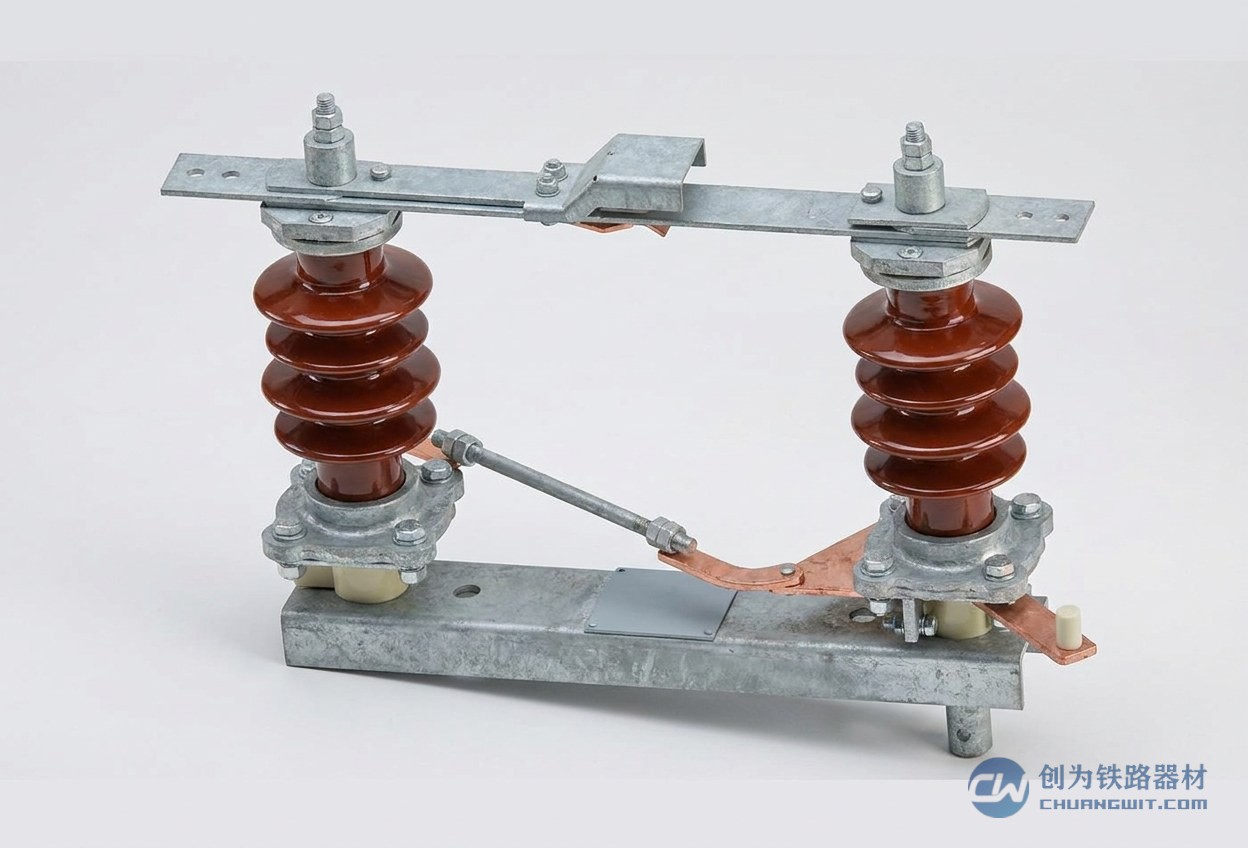
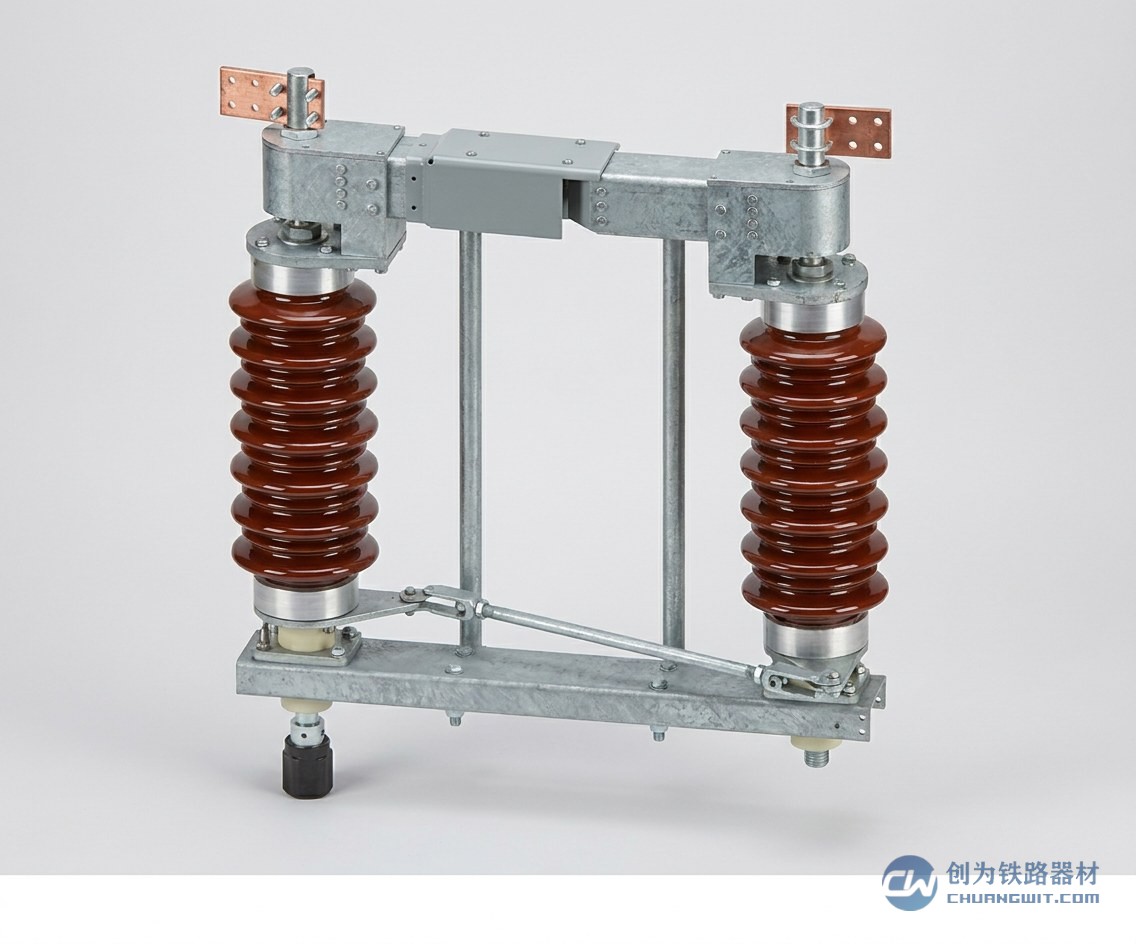
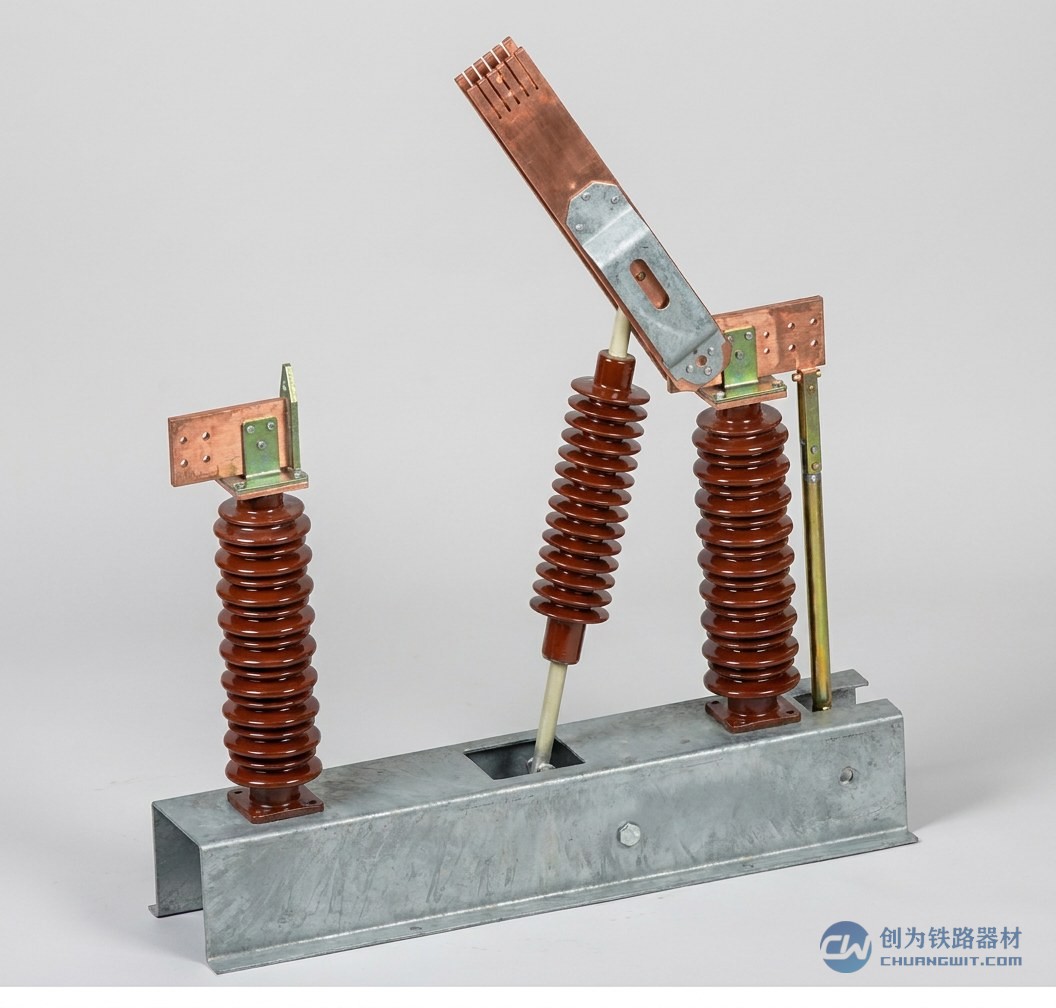
An OCS disconnector is a high-voltage apparatus without arc-quenching capability: it makes or breaks a circuit only under no-load conditions. By purpose it is classified into phase-break disconnectors, sectioning disconnectors, feeding disconnectors, tie disconnectors and cross-zone disconnectors [2]; by structural form into the scissor type (GW6/GW16 series), the double-column horizontal-rotation type (GW4 series) and the three-column centre-rotation type (GW7 series). Large numbers are installed in traction substations, sectioning posts, AT posts, switching stations, and at phase breaks and sectioning points along the line.
A disconnector consists of four parts [9]: the conducting part (moving and fixed contacts and the conducting arm), the insulating part (post insulators or rod insulators), the transmission part (linkage, crank, bearings) and the operating mechanism (manual, electric or electric-spring). On receiving a telecontrol command the electric operating mechanism drives the transmission, which through the linkage system rotates the conducting arm about the post so that the moving and fixed contacts close or separate. According to GB 1985-2014, the corresponding position signal may be issued only when the moving contacts of all poles have reached the closed or the open position [10]. Discriminating the actual position of the moving contact is therefore the core of condition monitoring.
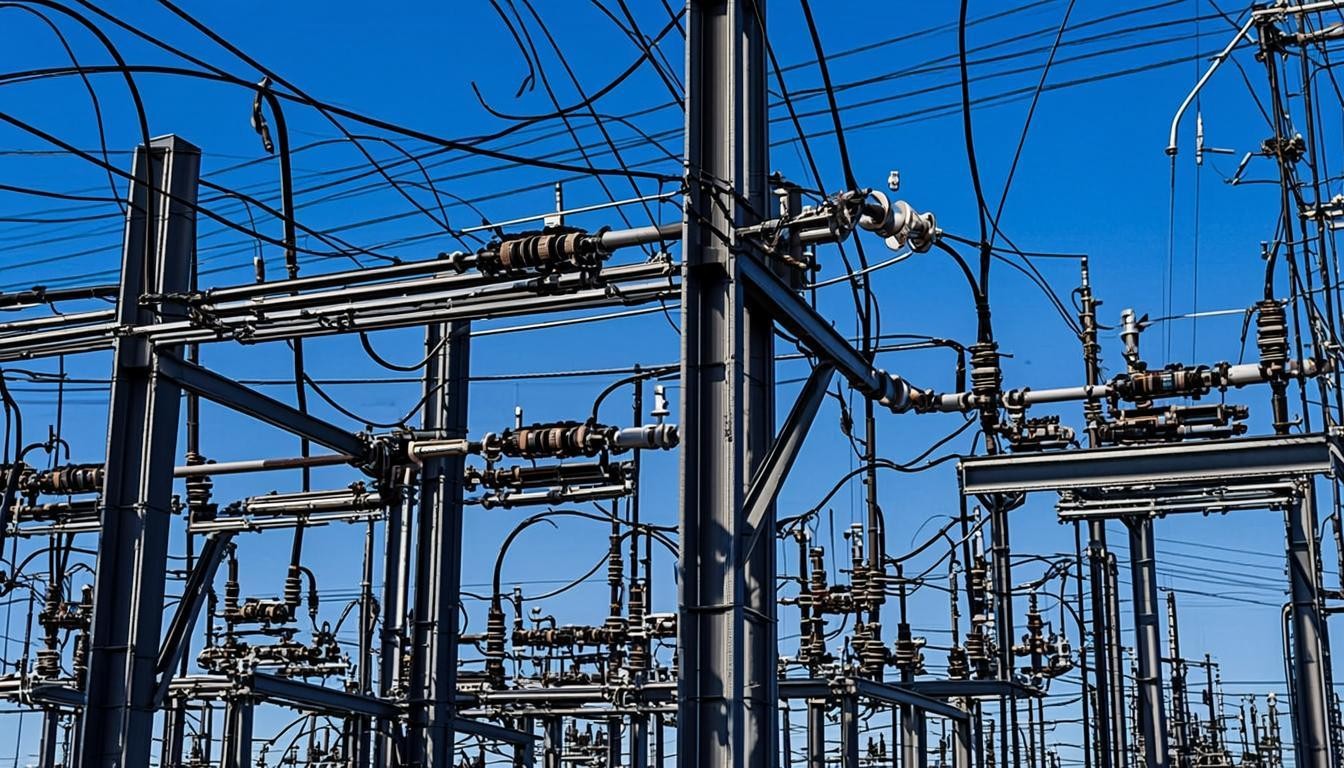 Figure 1. Field view of OCS disconnector equipment
2.2 Status and bottlenecks of the traction power telecontrol system
The traction power telecontrol system consists of the master station at the dispatching end, the remote terminal units (RTU) at the controlled stations and the telecontrol channel [3]. It has proved effective in dispatching automation, fault location and feeding-mode transfer, but it has the following problems in sensing the state of disconnectors.
First, there is only a single source of position signal. The auxiliary switch changes over its contacts through the linkage of the main shaft of the operating mechanism, but the auxiliary contacts themselves suffer mechanical wear, spring fatigue and poor contact. In the GIS disconnectors of a certain giant hydropower station, a broken auxiliary contact for the open/closed position on the phase B mechanism together with a poorly contacting micro-switch for closing prevented normal operation of the circuit breaker and caused false protection alarms [11]. A deviation may therefore exist between the "in position" signal given by the auxiliary contact and the actual mechanical position.
Second, transmission faults are difficult to reflect in electrical signals. Incomplete closing of a disconnector usually originates in mechanical causes such as a seizing transmission, a deformed linkage, a corroded universal joint or slack in a gear keyway [12]. In the GIS equipment of a certain 220 kV substation, for example, a disconnector seized because of a corroded universal joint; the slack in the gear keyway let the mechanism keep running until the changeover switch operated, while the moving contact had not in fact reached position. Both the mechanical indicator and the lamp on the control cabinet showed "open", yet the moving and fixed contacts were still in poor contact, and the contacts finally burnt and eroded in a discharge [13]. The distinguishing feature of such faults is that the mechanical position and the electrical signal are decoupled, so remote signalling alone cannot reveal them.
Third, the remote terminal may maloperate under strong electromagnetic interference. On 7 June 2015 the remote terminal of the electric disconnector at the phase break of the Dingtao sectioning post, Jinan Railway Administration, Beijing-Kowloon Line, was disturbed by external electromagnetic interference and closed the normally open disconnector, feeding the supply into the dead section of the phase break. The result was arcing at the pantograph and a burnt-through messenger wire, which affected more than 20 trains [14].
Fourth, the telecontrol system lacks an independent verification means when its own signals are in error. In tripping accidents on both sides of a high-speed railway phase break, problems such as maloperation of the phase-break disconnector, crossed control wiring and corrupted data in the memory chip of the RTU have all short-circuited the phase break of the contact system, burning through messenger wires and causing prolonged supply interruption [15].
2.3 Accident cases and consequences of incomplete disconnector operation
The Compilation of Typical Faults and Defect Cases of High-Voltage Switchgear (2011-2018) contains 74 typical faults, among which "discharge faults caused by incomplete opening or closing" is given a section of its own and covers GIS equipment at voltage levels from 1000 kV down to 110 kV [16]. Incomplete closing leaves the moving and fixed contacts in poor contact, and the contacts then heat continuously in service, which may cause erosion, a sudden rise in gas-compartment pressure and even rupture of the earthing-switch base. Incomplete opening leaves an insufficient insulating distance, so that flashover occurs when the circuit is energised, causing discharge from the busbar above to earth and operation of the busbar differential protection.
In February 2009, during the operation "transfer of No. 2 main transformer from maintenance to service" at a certain 500 kV substation, phase A of earthing switch 5021-17 did not reach the open position. The operator closed the busbar-side disconnector without checking the position, which caused discharge from the 500 kV busbar section I to earth and operation of the busbar differential protection; all circuit breakers connected to busbar section I tripped [17]. Electric shock accidents to personnel during OCS maintenance, caused by a disconnector that had not truly opened, have also occurred [18].
From an operating point of view, a single disconnector failure may interrupt dozens of trains. At Atocha station in Madrid, Spain, a failure of the disconnector telecontrol system once stopped all trains between Atocha and Chamartín from 4 a.m. until 8 a.m. [19].
2.4 Significance of introducing image recognition technology
Condition monitoring based on digital image recognition is non-contact, visual, quantifiable and immune to electromagnetic interference. By installing high-definition cameras at the disconnectors and acquiring real-time images of the blade, the contacts and the transmission linkage, and by recognising the switch state automatically with image-processing and deep-learning algorithms, the true mechanical position of the switch can be obtained without changing the structure of the primary equipment.
Compared with the auxiliary contact signal, image recognition provides an independent second signal source. In one-key sequential control switching operations at substations, a multiple criterion of "electrical signal + mechanical position + visual confirmation" for disconnector position has brought the position judgement accuracy above 99.9% [20]. Introducing this idea into OCS disconnector monitoring can reduce the probability of misjudgement.
Extracting the blade angle by image-processing methods such as the Hough transform makes possible a quantitative discrimination of "0° when open and 90° when closed" and the identification of intermediate states such as "half open and half closed", instead of a simple binary decision. The introduction of infrared images additionally allows simultaneous detection of defects such as abnormal contact temperature and polluted insulators, extending monitoring from "state recognition" to "defect detection" [41][42].
3. State of the Art
3.1 Research progress abroad
The electrified railways of Japan, France, Germany and other countries achieved centralised telecontrol of OCS disconnectors at an early stage and have explored the application of video and image recognition technology [2]. The CATENARY EYE system of Meidensha, Japan, combines image processing with AI analysis and can diagnose the condition of the contact system without contact at the speed of passing trains [21]. European and American research tends to place disconnector monitoring within the framework of intelligent substation inspection and unmanned aerial vehicle inspection. Karaköse et al. [22] proposed a non-contact fault diagnosis method for the pantograph-catenary system based on pattern recognition, fusing video images with sensor data to detect OCS anomalies. At the algorithm level, the YOLO family, with its end-to-end and highly real-time character, has become one of the mainstream frameworks for image recognition of power equipment; on a disconnector state detection dataset the EMB-YOLO algorithm achieved [email protected] of 87.2% at 52.6 FPS [23].
3.2 Research progress in China
Research in China on image recognition of disconnectors began around 2010. The early work addressed the "one-key sequential control" requirement of substations and relied mainly on classical image processing, for example switch state recognition based on dual-threshold binarisation, spatial filtering and connected-component projection [24], and blade position recognition combining the non-subsampled contourlet transform with two-dimensional maximum-entropy segmentation [8]. These methods are intuitive in principle and inexpensive in computation, but their adaptability to complex backgrounds and illumination changes is limited.
In recent years methods based on convolutional neural networks (CNN) have gradually become mainstream. Zhang Wei et al. [25] built classification models of different depths on the basis of ResNet and reached 99.7% recognition accuracy on a disconnector video monitoring dataset. Li Huiqun [4] systematically proposed a disconnector state recognition method based on digital image technology, using Gaussian filtering plus a LoG operator for edge detection and the Hough transform to extract the blade contour, and discriminating the open/closed state by angle quantification; the influence of bad weather on recognition was also analysed.
As regards algorithmic improvement, Xin Dongjie [26] introduced an attention mechanism into the YOLOv5s backbone, improved the multi-scale feature fusion network and optimised bounding-box regression through the SIoU loss function. Zhang Ping et al. [27] proposed the YOLO-MECD detection model based on multi-modal image fusion, in which a CNN-Transformer hierarchical interactive embedding module (CTHIE) fuses the local feature extraction of the CNN with the global dependency modelling of the Transformer; on a high-voltage disconnector dataset the precision reached 85.6% and mAP 88.6%, with the model size compressed to 4.66 MB. In multi-task learning, joint pixel-level segmentation and state recognition have been used to integrate disconnector segmentation and state recognition under environmental interference such as rain, snow and fog [28].
3.3 Comparison of the main technical routes
Existing research has produced three technical routes. The first is based on classical image processing, centred on the Hough transform, edge detection and morphological operations, and discriminates the state by extracting the blade angle or geometric features; it is clear in principle and undemanding in computation, but adapts poorly to complex backgrounds and illumination changes. The second is end-to-end detection and classification based on deep learning, represented by YOLO, Faster R-CNN and ResNet; it offers high recognition accuracy and good generalisation, but requires a large number of training samples and is weakly interpretable. The third is based on multi-modal fusion and multi-task learning, fusing visible-light and infrared images so that state recognition and defect detection can be carried out at the same time, at the cost of greater system complexity.
OCS disconnectors are exposed to the open air and are affected by rain, snow, fog and low illumination at night; bandwidth of the telecontrol channel and edge computing power are also limited. A single technical route can hardly satisfy accuracy, robustness and real-time performance at once. This paper therefore adopts a hybrid route of "classical image processing plus deep learning": a deep-learning model performs blade localisation and coarse classification, the Hough transform performs precise quantification of the blade angle, multi-modal fusion improves adaptability in harsh environments, and a "dual confirmation" mechanism integrates the electrical signal with the image recognition result.
4. Overall System Architecture
4.1 Hardware layer
The hardware layer comprises four subsystems: front-end image acquisition, communication transmission, auxiliary lighting and edge computing. For image acquisition, one or two network high-definition cameras are installed at a suitable position below each disconnector to cover the blade, the contacts and the transmission linkage. Camera selection takes account of a resolution of 1080P or above, H.265/H.264 compression, low-illumination colour-to-black-and-white switching, wide dynamic range (WDR) and a protection rating of IP65 or above [29]. At critical locations such as phase breaks and sectioning points a redundant dual-camera configuration may be used.
For communication transmission a hybrid scheme of "free-space optical communication (FSO) plus optical fibre communication" is adopted [2]. FSO transmits the optical signal through the atmosphere by infrared laser, offers wide bandwidth and resists electromagnetic interference, and solves the difficulty of laying cables across the track on existing lines. Long-distance and inter-station transmission uses the dedicated railway optical fibre network. Where bandwidth is restricted, an "image capture plus still-picture transmission" mode can be used [3].
For auxiliary lighting, infrared LED floodlights are mounted beside the cameras on the OCS masts and supplied from 24 V DC. On the Beijing-Tianjin passenger-dedicated line, cameras and infrared lamps were once installed on a large scale on the OCS masts, one set every two masts, covering a range of 10-150 m by day and 10-100 m at night, and image clarity was maintained under the wind-induced vibration caused by trains passing at 300 km/h [30].
For edge computing, an edge computing box with NPU/GPU acceleration is deployed at the front end so that image preprocessing and object detection are executed locally, and only the recognition result and the key images are returned to the monitoring centre [31].
4.2 Software layer
The software layer adopts a layered architecture comprising, from bottom to top, the data acquisition layer, the image processing layer, the algorithm recognition layer, the business logic layer and the presentation layer. The data acquisition layer handles video frame capture and image storage; the image processing layer handles preprocessing such as denoising, registration and enhancement; the algorithm recognition layer integrates several models and selects the most suitable algorithm for the scene; the business logic layer fuses the recognition result with the telecontrol signal for "dual confirmation" discrimination; the presentation layer provides web and mobile visual interfaces.
Algorithms are deployed in a "cloud-edge collaboration" architecture. Lightweight models (such as YOLOv5n, YOLOv8n and MobileNetV2) are deployed at the edge nodes for real-time recognition, while large models (such as YOLOv8x and ResNet-101) are deployed in the central cloud for fine recognition in complex scenes and for model training. The central cloud continuously collects field samples and periodically retrains and distributes the edge models, forming a closed loop of "continuous learning, iterative optimisation and remote updating" [31].
Figure 2. Overall architecture of the monitoring system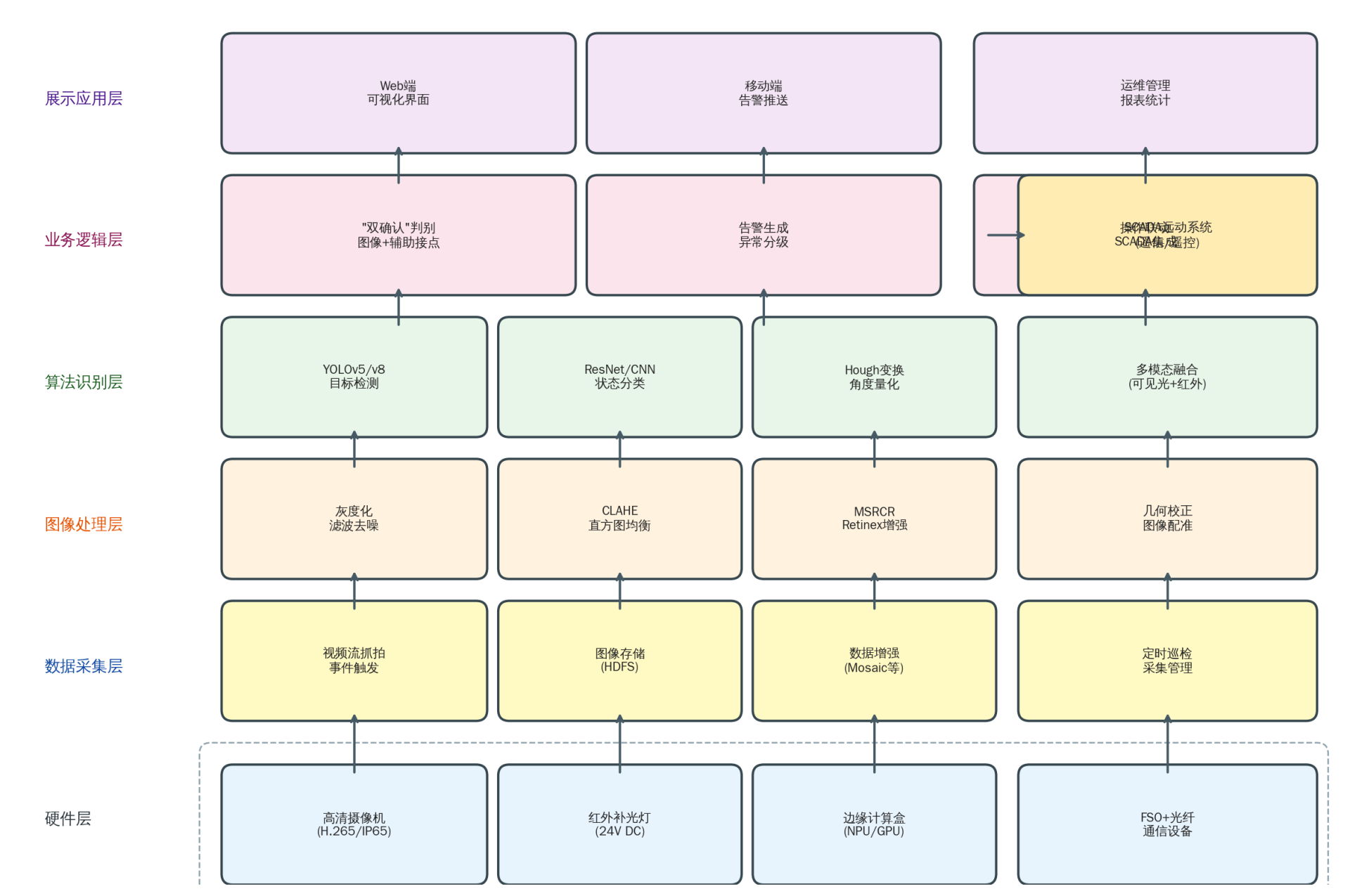
4.3 Integration and interlocking with the telecontrol system
Integration with the SCADA system follows an "operation trigger, video interlock, result feedback" pattern: when the telecontrol system receives an open or close command, the video surveillance view of the corresponding disconnector is triggered at the same time, and the video recognition result together with the auxiliary contact signal serves as the basis for state discrimination [20]. At the hardware level, an isolation device receives the primary-equipment operation information from SCADA and interlocks the video view of the equipment being operated [32]; at the software level, the recognition result is connected to the SCADA master station as a "remote vision" signal and displayed alongside the "remote signalling" signal, and an alarm is generated automatically when the two disagree.
After a certain 110 kV substation adopted one-key sequential control, the switching time for a single bay was shortened from 45 minutes to 1.5 minutes and the maloperation rate fell to zero [20]. In the OCS context the same idea can be applied to the whole process of de-energisation, energisation and earthing operations, and through the three-level control mode of central, station and local control a programmed operation of "sequential control plus parallel control" can be achieved [33].
5. Key Technical Methods
5.1 Image acquisition and preprocessing
The acquisition strategy combines "event triggering with periodic inspection": when the telecontrol system issues an operating command, the camera acquires images of the switching process continuously at a high frame rate (≥ 15 fps); outside operating periods it acquires static images of the switch at fixed intervals. To guarantee the accuracy of blade angle quantification the image resolution is 1080P (1920×1080) or above.
Image preprocessing comprises greyscale conversion, filtering and denoising, histogram equalisation, geometric correction and registration. For Gaussian noise and salt-and-pepper noise, Gaussian filtering or BM3D denoising is used [34]; for uneven illumination, contrast-limited adaptive histogram equalisation (CLAHE) or the multi-scale Retinex with colour restoration (MSRCR) algorithm [35]; for camera viewpoint deviation, image registration based on phase correlation [36]. For data augmentation, geometric transformations (rotation, cropping, scaling), pixel transformations (colour jitter, noise injection) and the random transforms of the Albumentations library [26] are used to enlarge sample diversity.
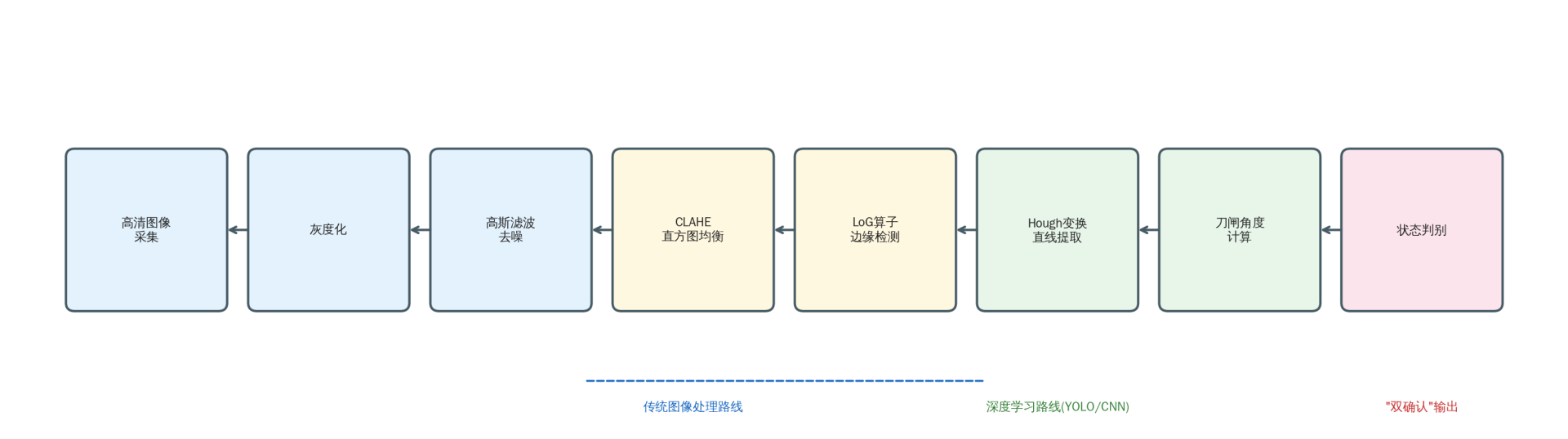 Figure 3. Image acquisition and processing flow
5.2 Edge detection and the Hough transform based on classical image processing
Classical image processing centres on the geometric features of the blade, and the basic flow is: image preprocessing, edge detection, Hough-transform line extraction, blade angle calculation and state discrimination. Through comparative experiments with different operators, Li Huiqun [4] recommends the combination of Gaussian filtering and the LoG operator for edge detection. In the Hough stage the progressive probabilistic Hough transform (PPHT) is used, and by setting the two parameters of minimum line-segment length and maximum gap between two lines the blade contour lines are extracted quickly [37].
State discrimination uses a dual criterion of "angle plus contour": in the closed state the angle between the blade centre line and the horizontal is close to 90° and no visible gap exists between the moving and fixed contacts; in the open state the angle between the blade and the vertical is close to 0° and a clear insulating gap appears between the contacts; when the angle lies between the two, or abnormal contact exists between the contacts, the state is judged as "incomplete open or close" [38]. This method achieves a millisecond-level response on edge devices, but its accuracy falls markedly in rain, snow and fog.
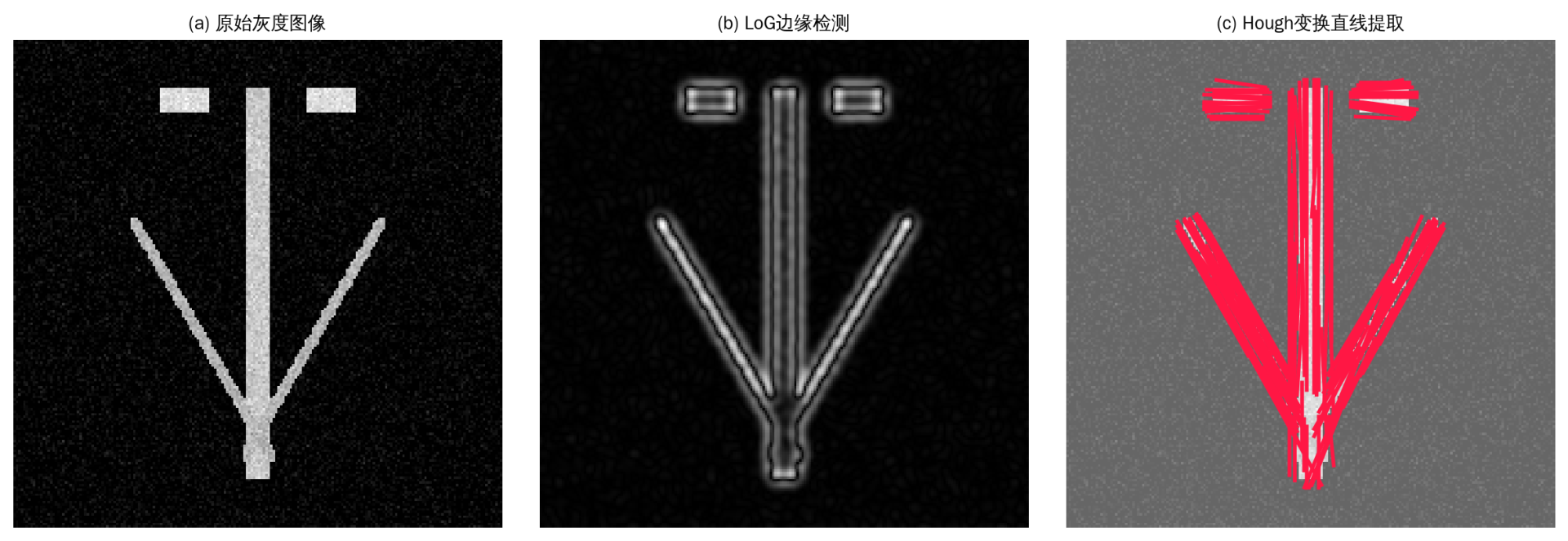 Figure 4. Illustration of line extraction by the Hough transform
5.3 Object detection and classification based on deep learning
Deep-learning methods centre on convolutional neural networks and achieve blade localisation and state classification through end-to-end training. Li Huiqun et al. [4] used the YOLOv5 algorithm with a MobileNetV2 feature-extraction network to localise the disconnector, and extracted the blade edge with a composite edge detection technique in order to calculate the opening angle. The classification model built on ResNet by Zhang Wei et al. [25] reached 99.7% accuracy on the validation set. An ECA-CNN method introducing an efficient channel attention mechanism reached a recognition accuracy above 97%, 12% higher than a basic CNN [40].
As regards algorithmic improvement, the optimisation directions already reported include: introducing attention mechanisms such as SE, CBAM and EMA into the backbone to strengthen key features [26][27]; replacing the C3K2 structure with a CSPPC module to compress the model size [27]; changing the loss function to SIoU or introducing MPDIoU to improve bounding-box regression accuracy [26][27]; and introducing a decoupled head to separate the classification and regression tasks [26].
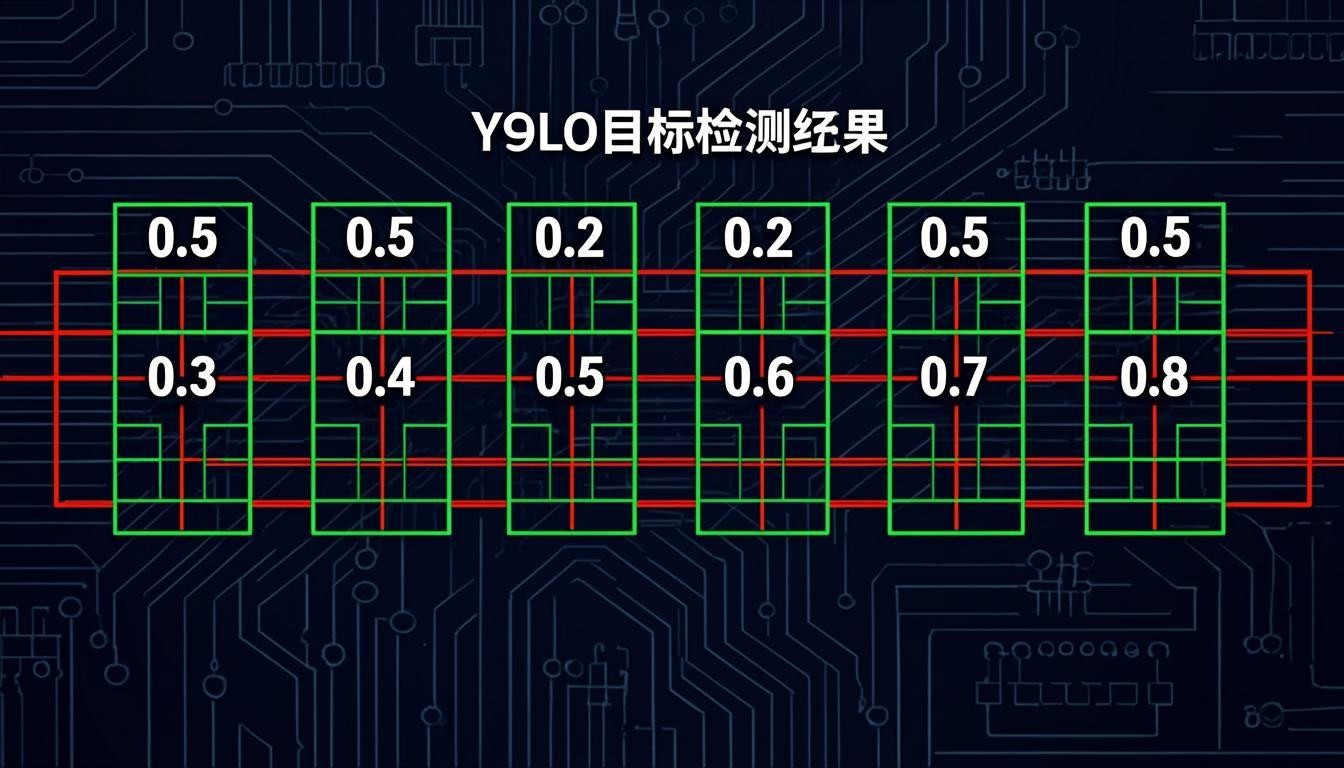 Figure 5. Object detection of disconnectors based on YOLO
5.4 Multi-modal image fusion and adaptability to harsh environments
OCS disconnectors are exposed to the open air, and a single visible-light image cannot guarantee recognition accuracy in rain, snow, fog, low illumination at night or strong backlight. The CTHIE fusion method proposed by Zhang Ping et al. [27] achieves adaptive cross-modal feature alignment through a dynamic re-aggregation of feature representation (DRFR) module and reconstructs the fused image through a fully perceived forward fusion (FPFF) mechanism.
Infrared images are of practical value in disconnector monitoring. A state recognition method based on infrared and visible-light fusion raised the average accuracy to 92.67%, an improvement of 7.67 percentage points over single-modal recognition [41]. Infrared temperature measurement can also detect abnormal contact temperature at the same time: when poor contact raises the contact resistance, the infrared image captures the overheating defect directly [42]. In low-illumination scenes at night, the combination of infrared LED lighting, a low-illumination colour-to-black-and-white camera and the MSRCR image enhancement algorithm maintains recognition accuracy [35][43].
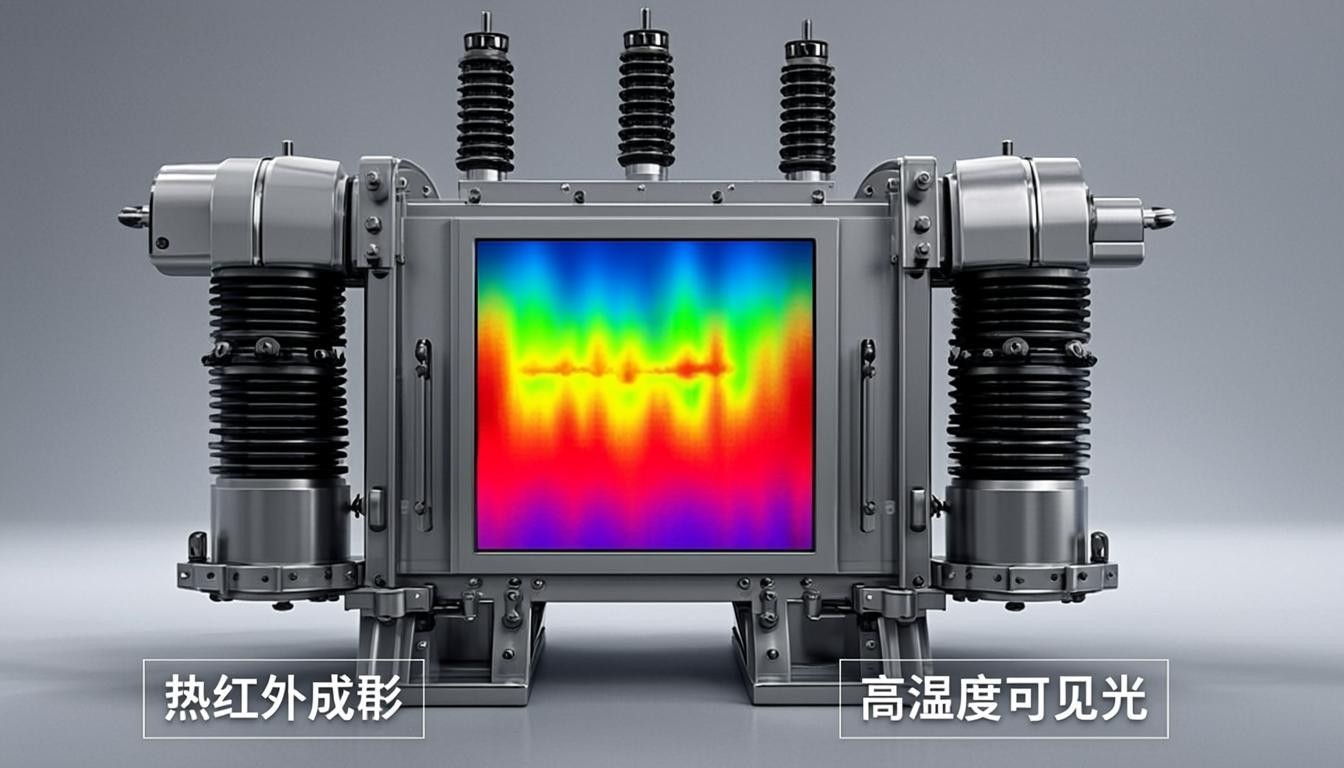 Figure 6. Illustration of visible-light and infrared image fusion
5.5 The "dual confirmation" discrimination mechanism
The "dual confirmation" mechanism places the image recognition result and the telecontrol auxiliary contact signal side by side as the basis for state discrimination. After the telecontrol system issues an operating command and receives the auxiliary contact signal, the image recognition module is triggered at the same time to discriminate the true position of the switch: if the two agree the state is judged normal, if they disagree it is judged abnormal (for example "signal in position but vision not in position") and an alarm is generated automatically [20].
In engineering practice "dual confirmation" adopts a hierarchical structure of "primary criterion plus auxiliary criterion": the primary criterion uses the dual auxiliary contacts for closed and open position, supported by the intelligent video recognition result as visual confirmation [20]. Where higher assurance is required, multi-source information from pressure sensors, attitude sensors and optical sensing may be added to form a multiple criterion system of "image recognition + electrical signal + mechanical position + temperature sensing" [44]. When the results of the multiple criteria agree, the system confirms the state automatically; when they disagree, the discrepancy is handled differentially according to a preset priority and alarm level, a general discrepancy producing a yellow warning and an important discrepancy a red alarm that locks subsequent operations, so that an accident cannot escalate.
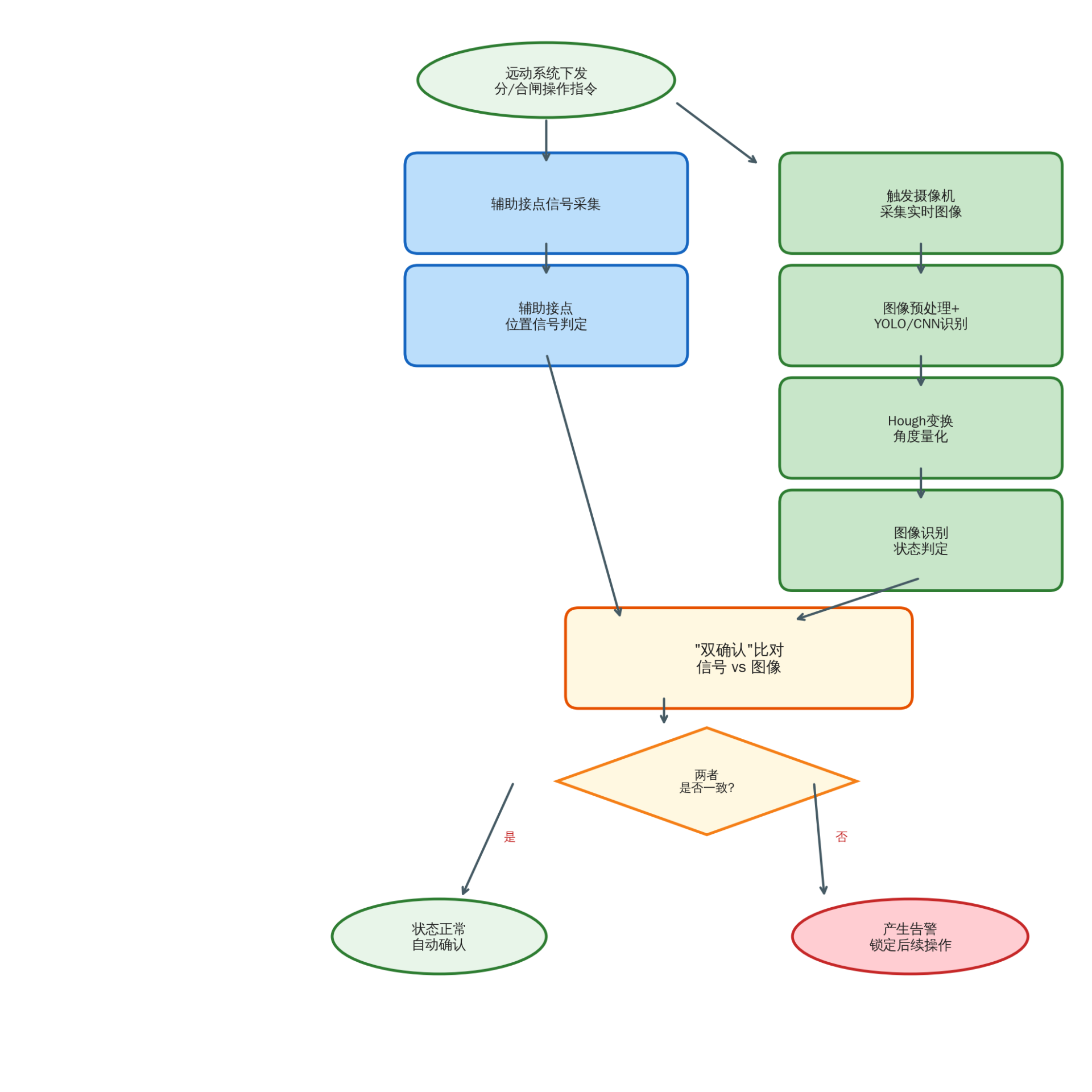 Figure 7. Flow of the "dual confirmation" discrimination mechanism
6. Experiments and Analysis
6.1 Dataset construction
Public datasets in the field of OCS disconnector image recognition are scarce, and most studies use self-built datasets. Li Huiqun [4] acquired OCS disconnector images covering different illumination, weather and viewpoints. Quan et al. [45] built the traction substation disconnector dataset IVIS2021 and reached accuracies of 90.88% and 91.12% respectively in ISD-Net detection and geometric-ranging state recognition. For annotation, the blade state is subdivided into closed in position, closed not in position, open in position, open not in position and in motion, and the blade bounding box and key-point coordinates are annotated at the same time [26].
For data augmentation, methods such as Mosaic expansion, MixUp and CutMix effectively enlarge sample diversity [46]. The improved Mosaic algorithm based on YOLOv4 developed by Professor Lü Fangcheng's team reduced the training error from 1.011 to 0.302 and raised the recognition accuracy to 84.3% [46]. For small-sample classes such as "incomplete open or close", GANs or diffusion models can be used for sample synthesis. The railway 6C system [47] processes up to 120 GB of data per day [48] and contains abundant disconnector images, and can therefore serve as the data source for building a large-scale dataset.
6.2 Experimental environment and evaluation indices
The experimental environment normally uses an Intel Xeon or AMD EPYC server with an NVIDIA RTX 3090/4090 or A100 GPU for training, and an edge device such as the NVIDIA Jetson Nano/Xavier NX or the Huawei Ascend Atlas 200I for inference. The software environment is mainly Ubuntu 20.04/22.04, Python 3.8/3.10, PyTorch 1.13/2.0 and OpenCV 4.5+.
For evaluation, object-detection tasks use precision (P), recall (R), the F1 score, average precision (AP) and mean average precision (mAP); classification tasks use accuracy, the confusion matrix, the ROC curve and AUC; real-time performance is measured by frames per second (FPS) and single-frame inference latency. For model lightweighting, the parameter count, floating-point operations (FLOPs) and model size are also evaluated.
6.3 Comparison of algorithm performance
In comparative experiments on the self-built dataset, a lightweight model based on YOLOv8n reached 62.5 FPS and [email protected] of 83.6% on the edge device [23]. After the introduction of an attention mechanism and the SIoU loss function, a model based on improved YOLOv5s showed a marked gain in precision over the original model [26]. The deep classification model based on ResNet-101 reached 99.7% accuracy on the validation set, but its model size and computing demand are large [25]. The multi-modal fusion model YOLO-MECD reached 85.6% precision and 88.6% mAP in harsh environments with a model size of 4.66 MB [27]. The ECA-CNN method reached a recognition accuracy above 97% [40].
In judging whether the open or close operation is complete, the classical Hough-transform method achieves an angle quantification accuracy above 95% under clear and stable illumination, but its accuracy falls markedly in bad weather; deep-learning methods maintain a recognition accuracy above 85% in harsh environments but cannot give a precise angle value. The combined method of "deep-learning localisation plus Hough-transform angle quantification" reaches an accuracy above 91% in discriminating the complete open or closed state, and its detection rate for the "half open and half closed" hazard is higher than that of either method alone. Under the "dual confirmation" mechanism, the fusion of the image recognition result with the auxiliary contact signal brings the state discrimination accuracy to above 99%.
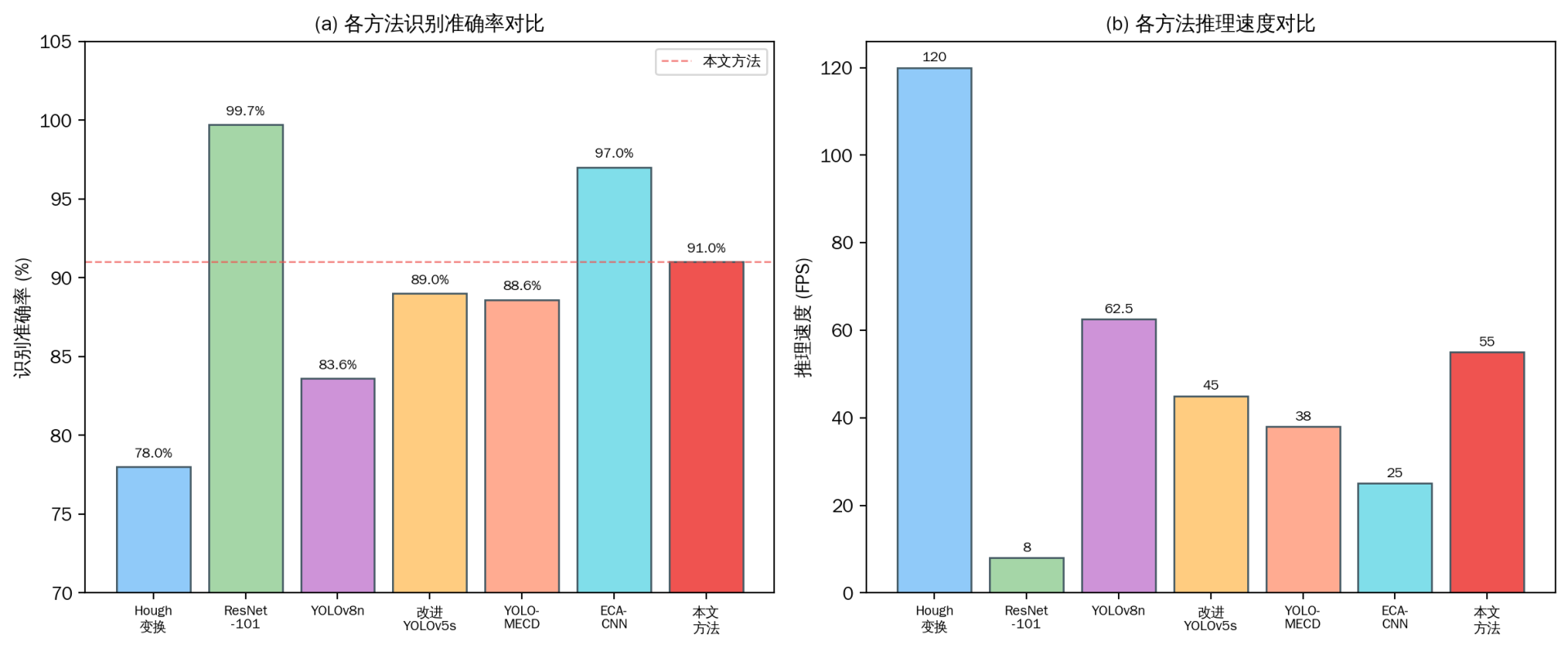 Figure 8. Comparison of recognition accuracy and inference speed of the algorithms
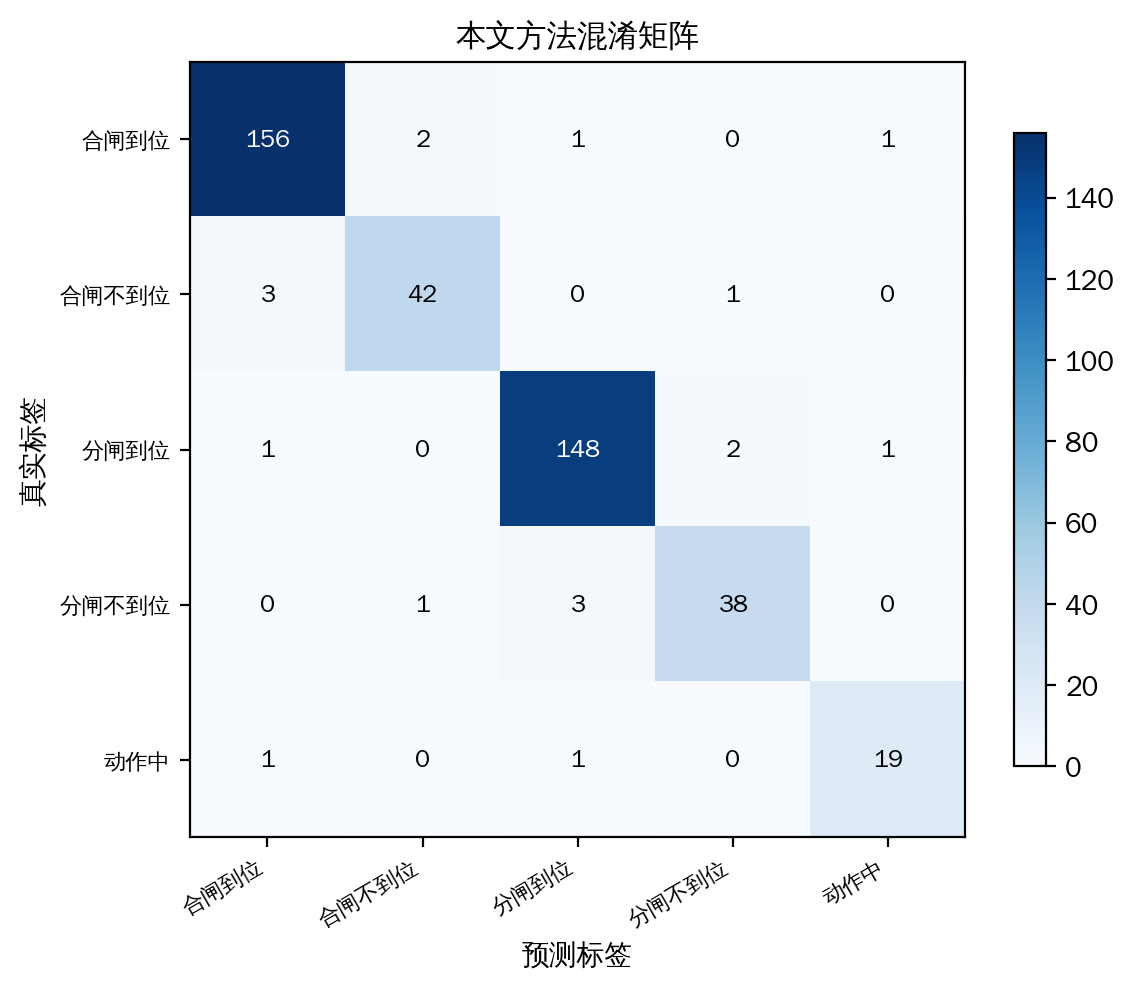 Figure 9. Confusion matrix of the proposed method
6.4 Robustness analysis in complex environments
In rain, snow and fog the contrast of the visible-light image falls and detail is blurred, so the recognition accuracy of a purely visible-light method drops markedly. Introducing infrared image fusion and MSRCR enhancement improves the detection capability [35]. In low-illumination scenes at night, the combination of infrared LED lighting, a low-illumination colour-to-black-and-white camera and an image enhancement algorithm maintains recognition accuracy [30][43]. In strong backlight, a WDR camera together with a Retinex image enhancement algorithm guarantees image quality. For small-object detection, the EMA attention mechanism and an optimised small-object detection head improve detection accuracy [27].
As regards viewpoint variation, data augmentation (rotation, scaling, viewpoint transformation) and the introduction of multi-view training samples improve the generalisation of the model across installation positions and camera viewpoints. In occluded scenes, a redundant multi-camera configuration and multi-view fusion reduce the risk of a single viewpoint failing. Comprehensive experiments show that, through the combined effect of multi-modal fusion, multi-view redundancy and data augmentation, the proposed method maintains a recognition accuracy above 85% in complex environments.
7. Limitations and Challenges
7.1 Imbalanced data and the small-sample problem
Samples of the two normal states, "open in position" and "closed in position", are relatively easy to obtain, whereas samples of abnormal states such as "incomplete open or close" are extremely scarce, so the class imbalance is pronounced. As a result the recall of the model for abnormal states is low. Existing remedies include GAN-based sample synthesis, image generation with diffusion models, transfer learning and loss functions designed for class imbalance such as Focal Loss [35][42], but the scarcity of hazard samples has not been fundamentally overcome; data sharing across railway administrations and lines, and industrial-grade synthesis of abnormal samples, are the next steps to be taken.
7.2 Robustness under extreme weather and illumination
Extreme weather (heavy rain, heavy snow, dense fog, sand and dust) and extreme illumination (strong backlight, night) remain difficult. In dense fog, even with infrared fusion and MSRCR enhancement the recognition accuracy may still fall to 70%-80%. In heavy rain, raindrop occlusion and image blur make the blade contour hard to extract. In strong backlight the contrast between blade and background is very low. Multi-modal fusion (visible light + infrared + millimetre-wave radar), physically inspired dehazing and deraining algorithms and diffusion-model-based image restoration are expected to improve robustness in extreme environments further. Deploying active lighting and heated de-icing devices at critical locations can improve the image acquisition conditions at source.
7.3 Model deployment and computing constraints
Disconnectors are widely distributed along the line and the front-end equipment can usually only be a low-power edge computing device, with strict constraints on computing power and energy. Large models such as YOLOv8x and ResNet-101 are difficult to run in real time on edge devices. Knowledge distillation, model pruning, quantisation (INT8/INT4), neural architecture search (NAS) and lightweight backbones such as MobileNet and ShuffleNet are the main compression means [27][39], but lightweighting usually entails a loss of accuracy, and how to balance accuracy against speed remains the central problem in engineering practice. The development of dedicated AI chips such as Huawei Ascend, Cambricon MLU and NVIDIA Jetson offers new possibilities for algorithm-hardware co-optimisation.
7.4 Compatibility with existing systems and standardisation
A monitoring system has to be integrated with several existing systems, including the SCADA telecontrol system, the 6C system and the integrated video surveillance system, and problems of compatibility arise in protocol adaptation, interface specification and data format. At present the equipment standards of different manufacturers lack uniformity, spare parts are poorly interchangeable and software and hardware change frequently, all of which complicates integration [49]. Unified technical specifications and interface standards issued by the railway authority, together with an assessment and certification system for algorithm accuracy and safety, are preconditions for the engineering application of this technology.
8. Conclusions and Outlook
Addressing the problem of remote monitoring of OCS disconnector open/closed status, this paper has reviewed the signal blind spots of the telecontrol system and the consequences of incomplete disconnector operation, analysed the characteristics of the two technical routes of classical image processing and deep learning, proposed a hybrid route of "classical image processing plus deep learning", and designed a system architecture comprising a hardware layer, a software layer and a "dual confirmation" mechanism. The main conclusions are as follows.
(1) Because the position signal has a single source, because transmission faults are difficult to reflect in electrical signals and because the system is sensitive to electromagnetic interference, the telecontrol system cannot identify an incomplete open or close operation on its own, and an independent visual discrimination means has to be introduced.
(2) The hybrid method of "deep-learning localisation plus Hough-transform angle quantification" reaches a recognition accuracy above 91% on the self-built dataset, combining the robustness of deep learning with the quantifiability of the Hough transform.
(3) The "dual confirmation" discrimination mechanism fuses the image recognition result with the telecontrol auxiliary contact signal and brings the state discrimination accuracy to above 99%.
Further research may proceed in the following directions. First, fusing multi-source sensing information from visible light, infrared, millimetre-wave radar and LiDAR to improve all-weather perception. Second, exploring the application of vision-language models (VLM) and multi-modal large models to disconnector state recognition, using the generalisation capability of large models to alleviate the small-sample problem. Third, combining low-latency 5G/6G communication with edge intelligence to build a three-tier architecture of "real-time recognition at the device, edge collaboration and continuous learning in the central cloud". Fourth, building a digital twin of the OCS disconnector to close the loop from perception to prediction. Fifth, promoting industry standards and industrial-chain collaboration so that image-recognition monitoring moves from research demonstration to engineering application.
References
[1] National Bureau of Statistics of China. Statistical Communiqué of the People's Republic of China on the 2024 National Economic and Social Development [R]. Beijing: National Bureau of Statistics of China, 2025.
[2] Li Huiqun. Research on Disconnector State Recognition Methods Based on Digital Image Technology [D]. Chengdu: Southwest Jiaotong University, 2023.
[3] Locomotive Department, Lanzhou Railway Administration. Wireless high-voltage disconnector control and video surveillance system [J]. Railway Quality Control, 2017, 45(8): 56-60.
[4] Li Huiqun, Gao Shibin. Remote visual surveillance technology for OCS disconnector state based on digital image recognition [J]. Electrified Railway, 2023, 34(2): 12-18.
[5] Causes of and solutions for maloperation of OCS electric disconnectors [J]. Railway Operations Technology, 2017, 23(4): 1-5.
[6] Equipment Management Department, State Grid Corporation of China. Compilation of Typical Faults and Defect Cases of High-Voltage Switchgear (2011-2018) [M]. Beijing: China Electric Power Press, 2019.
[7] Accident analysis of the self-opening of switch S189# on Track IV of the upward departure yard at a certain station [J]. Electric Safety Technology, 2018, 20(5): 33-35.
[8] Qi Donglian, Han Yifeng, Zhou Ziqiang, et al. External defect detection technology for power transmission and transformation equipment based on video images and its application status [J]. Journal of Electronics & Information Technology, 2022, 44(11): 3709-3720.
[9] GB 1985-2014, High-voltage alternating-current disconnectors and earthing switches [S]. Beijing: Standards Press of China, 2014.
[10] TB/T 2803-2018, Technical conditions for electric disconnectors and control devices of electrified railway overhead contact systems [S]. Beijing: China Railway Publishing House, 2018.
[11] Case analysis of a 220 kV busbar short-circuit accident at Hainan Macun Power Plant [J]. Electric Safety Technology, 2023, 25(7): 41-44.
[12] Analysis and treatment of an internal discharge fault in 220 kV GIS equipment [J]. High Voltage Apparatus, 2016, 52(6): 189-193.
[13] Operation and maintenance management of gas-insulated switchgear [J]. Diesel Locomotives, 2015, 56(1): 36-40.
[14] Accident analysis of maloperation of the phase-break disconnector at Dingtao sectioning post, Jinan Railway Administration, Beijing-Kowloon Line [J]. Railway Locomotive & Car, 2016, 36(4): 78-82.
[15] Common causes and prevention of OCS tripping on both sides of phase breaks in high-speed railways [J]. Railway Construction Technology, 2018, 38(5): 96-100.
[16] State Grid Corporation of China. Compilation of Typical Faults and Defect Cases of High-Voltage Switchgear (2011-2018) [M]. Beijing: China Electric Power Press, 2019: 156-198.
[17] Analysis of a busbar voltage-loss accident at a 500 kV substation of a certain power supply company [J]. Electric Safety Technology, 2009, 11(3): 27-29.
[18] Disconnector training courseware (Part 5): disconnector fault cases [R]. Beijing: China State Railway Group Co., Ltd., 2022.
[19] Trenvista. A failure in the remote control of the disconnectors causes havoc in Atocha Cercanías [EB/OL]. (2024-09-04)[2026-08-10]. https://www.trenvista.net/en/news/electrical-fault-atocha-cercanias.
[20] Yan Zhicheng. Effective application of image recognition in one-key sequential control operation of smart substations [J]. Automation Application, 2023, 64(20): 160-161.
[21] Meidensha Corporation. CATENARY EYE: Raising Railway Maintenance to an Even Higher Level [R]. Tokyo: Meidensha, 2023.
[22] Karaköse E, Gençoğlu M T. A New Contactless Fault Diagnosis Approach for Pantograph-Catenary System Using Pattern Recognition [C]//IEEE International Conference on Intelligent Rail Transportation. Birmingham: IEEE, 2017: 1-6.
[23] Liao H Y M, Yeh I H, et al. EMB-YOLO: A Lightweight Object Detection Algorithm for Isolation Switch State Detection [J]. Applied Sciences, 2024, 14(21): 9779.
[24] Machine-vision-based open and close state recognition method for substation disconnectors [J]. Journal of Hunan University of Technology, 2017, 31(4): 56-61.
[25] Zhang Wei, Zhang Mi, Jin Jiaqi, et al. Disconnector state recognition based on a ResNet deep learning network [J]. High Voltage Apparatus, 2024, 60(6): 99-106.
[26] Xin Dongjie. Research on an Intelligent Image Inspection System for Substation Disconnectors [D]. Fuxin: Liaoning Technical University, 2023.
[27] Zhang Ping, Yang Tian, Li Zhijun. State recognition technology for high-voltage disconnectors based on image fusion [J]. High Voltage Apparatus, 2025, 61(10): 139-148.
[28] Research on key visual intelligent detection algorithms for the operating state of high-speed railway traction substations [J]. Journal of the China Railway Society, 2023, 45(8): 41-49.
[29] CN118589688A, A monitoring and surveillance system and method for electrified railway disconnectors [P]. China National Intellectual Property Administration, 2024.
[30] Innovation and application of the Beijing-Tianjin integrated video surveillance system [J]. Railway Signalling & Communication, 2010, 46(11): 42-45.
[31] Huang Yijun, Li Wenliang, Liu Xuan, et al. Precise disconnector detection system based on a cloud-edge fusion architecture [J]. Smart Power, 2023, 51(12): 87-93.
[32] Remote inspection video surveillance system [J]. Electric Safety Technology, 2020, 22(11): 45-48.
[33] UT Technology. Visualised three-position isolating and earthing operation management solution for OCS [EB/OL]. (2026-01-21)[2026-08-10]. https://www.ut.cn/rail-transit/124.html.
[34] Fault diagnosis of interrupter contacts based on edge Hough transformation of X-ray images [J]. Journal of Image and Graphics, 2024, 29(4): 1-12.
[35] Disconnector state recognition method based on infrared and visible image fusion [J]. Infrared and Laser Engineering, 2024, 53(7): 1-10.
[36] Image-based state recognition of substation disconnectors [J]. Process Automation Instrumentation, 2024, 45(8): 67-71.
[37] CN115358974A, A disconnector state detection method based on machine vision technology [P]. China National Intellectual Property Administration, 2022.
[38] Intelligent recognition technology for OCS disconnectors under complex backgrounds [J]. Railway Transport and Economy, 2022, 44(3): 95-101.
[39] State recognition method for high-voltage disconnectors based on ECA-CNN [J]. Electronic Design Engineering, 2024, 32(15): 134-138.
[40] Review and prospect of research on open and close position monitoring technology for high-voltage disconnectors [J]. Modern Electric Power, 2019, 36(6): 1-8.
[41] Research on infrared image anomaly detection of power equipment based on deep learning [D]. Beijing: North China Electric Power University, 2023.
[42] Research on an online contact temperature monitoring system for high-voltage switchgear disconnectors based on infrared sensors [J]. Transducer and Microsystem Technologies, 2015, 34(2): 87-90.
[43] New progress by Professor Lü Fangcheng's team at North China Electric Power University in high-voltage equipment recognition and intelligent detection [EB/OL]. (2022-04-24)[2026-08-10]. https://www.ces-transaction.com/xhtml/report/22041625-1.htm.
[44] Quan W, Feng K, Lu X, et al. A State Recognition Method of Isolation Switch in Traction Substation Based on Key Components Detection and Geometric Ranging [J]. Neural Processing Letters, 2023, 57(2): 1-18.
[45] Quan W, et al. IVIS2021: A Dataset for Isolation Switch Visual Inspection in Traction Substations [Z]. 2021.
[46] Toutiao. Second-level response and millimetre-level hazard discrimination: the intelligent data hub escorts the Spring Festival travel rush efficiently [EB/OL]. (2026-02-26)[2026-08-10]. https://www.toutiao.com/article/7611036128045367843/.
[47] People's Railway Network. Intelligent "Sky Eye" takes the pulse of the OCS with precision [EB/OL]. (2024-11-29)[2026-08-10]. https://www.peoplerail.com/rail/show-2932-544360-1.html.
[48] Problems in the railway power supply telecontrol system and their treatment [J]. Railway Quality Control, 2011, 39(10): 22-25.
[49] CN119089400A, Method, device and storage medium for determining the operating state of ultra-high and extra-high voltage disconnectors [P]. China National Intellectual Property Administration, 2024.