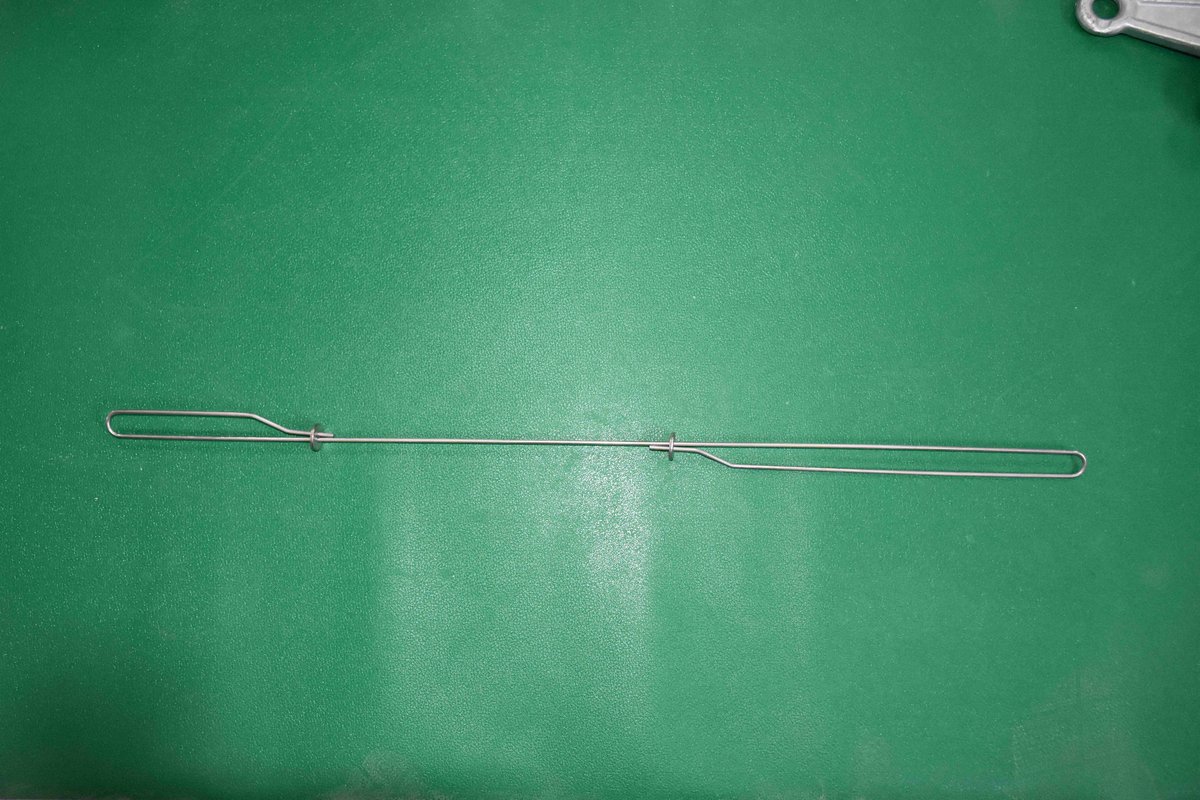
3-9 Wind Brace Rope
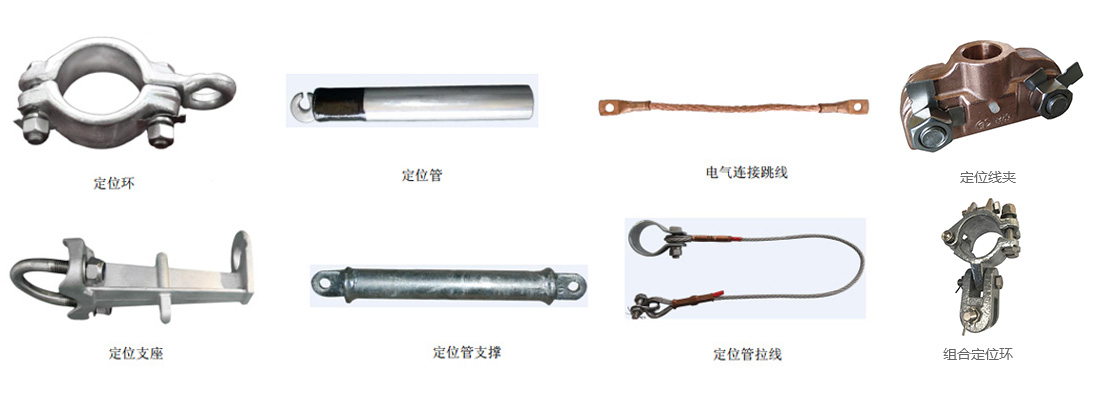
Tensioned stay rope from the positioning tube to the cantilever that suppresses wind sway.
Specifications
| Model | 3-9 |
|---|---|
| Drawing No. | 3-9 |
| Standard | TB/T 2075.3-2024 — Part 3: Limit-type positioning devices |
| Installation | Stays the positioning tube obliquely to an anchor point on the inclined cantilever |
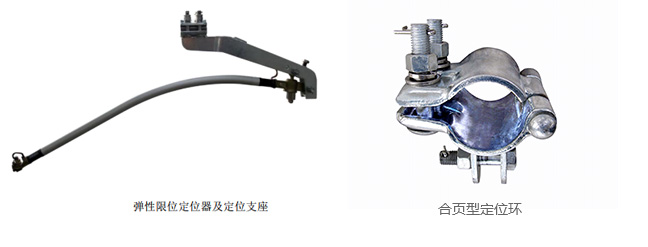
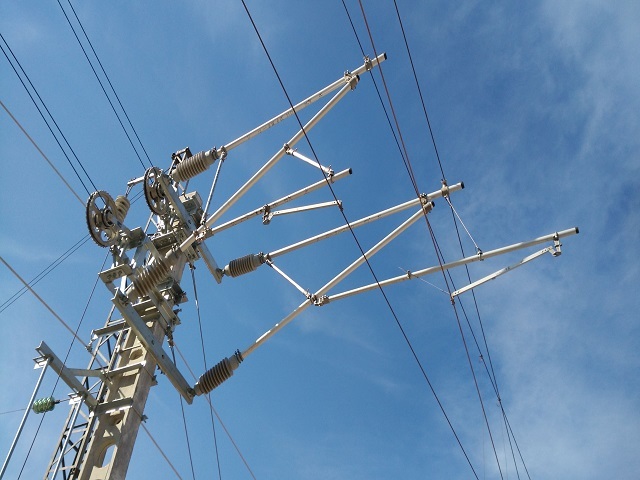
The 3-9 wind brace rope is the stay member of the limit-type positioning device: tensioned obliquely from the outer end of the positioning tube to an anchor point on the inclined cantilever (or cantilever), it works together with the tube suspender to constrain the tube spatially and reduce the sway and vibration that wind loads would otherwise cause.
The end fittings allow the rope to be tensioned and re-tensioned easily, and its strength reserve and fatigue performance suit continuous outdoor exposure. Once installed it does not interfere with the normal dynamic working of the registration.
Design Features
- End fittings make tensioning and re-tensioning convenient
- Adequate strength reserve with good fatigue performance
- Interfaces with the 3-10 wind brace anchor ring and registration eyes
- Does not disturb the dynamic working of the registration after installation
The product is manufactured under CRCC railway product certification and an ISO 9001 quality management system, with incoming material inspection, in-process control on critical operations and batch-by-batch final inspection before delivery.
Henan Chuangwit Railway Equipment Co., Ltd. supplies this locator with selection calculations, matched fittings and site technical guidance for traction power projects. Long tubes and exposed sites let wind shake the tube, disturbing stagger and uplift. The obliquely tensioned 3-9 rope, together with the suspender, constrains the tube in space. Its upper end fixes to an anchor point on the inclined cantilever or cantilever — usually a 3-10 wind brace anchor ring or registration eye clamped on the tube. Yes — the end fittings include adjustment, so the rope can be tensioned at erection and re-tensioned during maintenance. OCS design calls them on high-wind sections, long tubes and exposed structures; follow your cross-section drawings — we can advise against your layout.Frequently Asked Questions
Why do positioning tubes need a wind brace?
Where does the rope anchor?
Can the tension be adjusted?
Where are wind braces mandatory?
Performance
Operating Conditions
Outdoor service on registration points in high-wind sections and exposed station areas, stabilizing the positioning tube against wind loads.
Mechanical Performance
Tensioned stay suppresses tube sway and vibration; end fittings hold tension over repeated load cycles.
Applications
High-Wind Sections
Suppresses tube sway in exposed terrain.
Station Yards
Stabilizes long positioning tubes.
Coastal & Viaducts
Holds geometry under gusting loads.
Standard Assemblies
Pairs with 3-10 anchor rings.