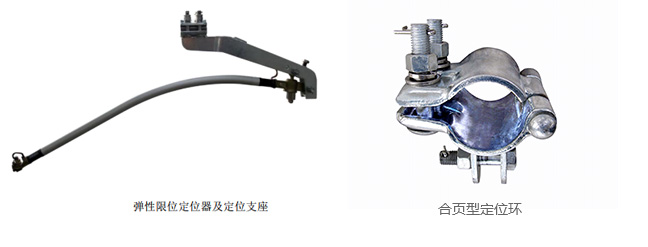
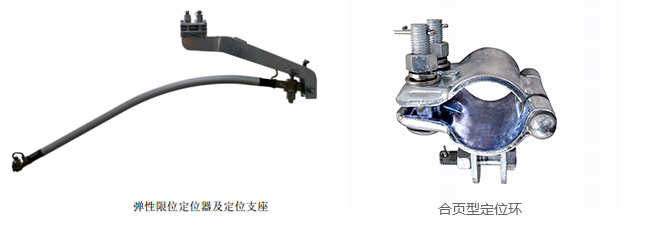
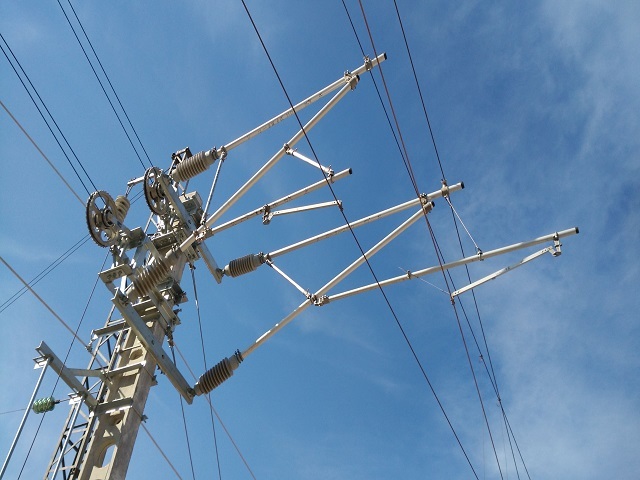
Aluminum Alloy Locator BHF-A13 (1200 mm)
1200 mm lightweight aluminum locator, 8° mainline / 12° curve versions, drawing numbers BHF-A13-3A-0471 / BHF-A13-3X-0192K.
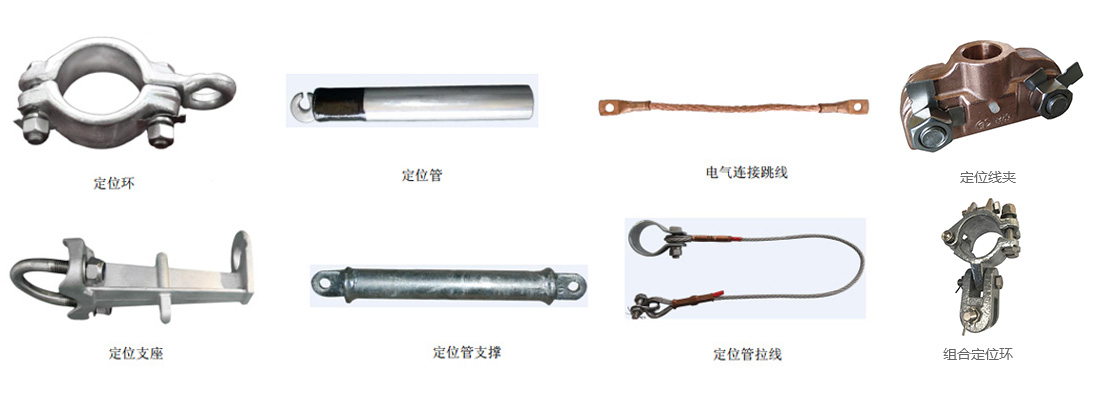
Specifications
| Model | BHF-A13-3A-0471 |
|---|---|
| Standard | TB/T 2075 series, Fittings for overhead contact system of electrified railway |
| Materials | Lightweight aluminum alloy body, copper alloy registration clamp |
| Installation | Mounted at the cantilever end, setting the contact wire stagger |
The aluminum alloy locator is the member that grips the contact wire directly at the registration point. Built from lightweight aluminum alloy for high-speed railways, it is supplied in straight-tube and bent-tube versions and holds the wire within the working range of the pantograph strip at every support point.
Two angle versions cover the tension cases: 8° for mainline high-tension registration and 12° for lower-tension curve sections. Length is 1200 mm; drawing numbers are BHF-A13-3A-0471 and BHF-A13-3X-0192K respectively.
Specifications
- Length: 1200 mm
- Angle: 8° (mainline, high tension) / 12° (curve section, low tension)
- Drawing numbers: BHF-A13-3A-0471 / BHF-A13-3X-0192K
- Material: lightweight aluminum alloy body, copper alloy clamp
The product is manufactured under CRCC railway product certification and an ISO 9001 quality management system, with incoming material inspection, in-process control on critical operations and batch-by-batch final inspection before delivery. The reduced mass at the registration point is what makes the design suit high-speed pantograph passage: less suspended mass means smaller uplift reactions and steadier contact.
Frequently Asked Questions
What do the two angle versions mean?
The 8° locator serves mainline sections with high contact wire tension; the 12° version serves curve sections where tension is lower. The angle sets the geometric relationship between locator and wire at the point.
Which drawing numbers are supplied?
BHF-A13-3A-0471 and BHF-A13-3X-0192K — supply follows these drawing numbers exactly, so the interface dimensions match your design without adaptation.
Why aluminum for high-speed lines?
A lighter locator lowers the concentrated mass at the registration point, reducing uplift reaction as the pantograph passes — directly improving current collection quality at speed.
What clamp holds the wire?
A copper alloy registration clamp matched to the contact wire section; the copper body also keeps the current path conductive at the point.
Performance
Operating Conditions
Outdoor service at OCS registration points on mainline, high-speed and station structures, subject to suspension, wind, ice and dynamic pantograph loads as defined by the OCS design.
Mechanical Performance
Lightweight aluminum body minimizes registration point mass for high-speed dynamics; 8°/12° angle versions match mainline and curve tension cases.
Applications
High-Speed Mainlines
8° version for high-tension mainline registration.
Curve Sections
12° version for lower-tension curves.
Low Registration Mass
Aluminum body lightens the pantograph load path.
Drawing-Controlled Supply
Delivered exactly to BHF-A13 drawing numbers.