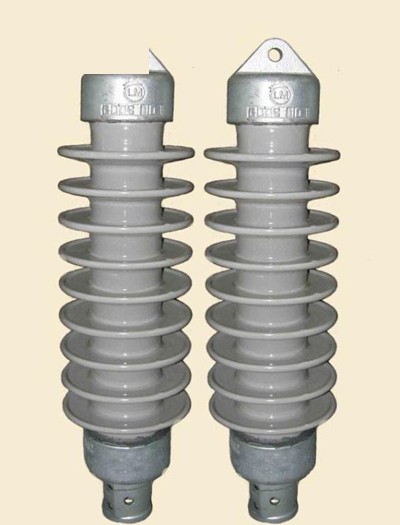
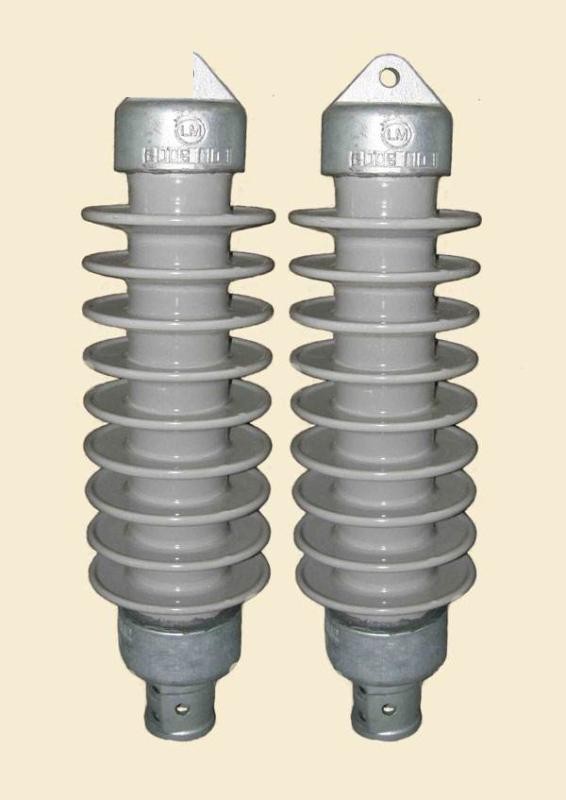
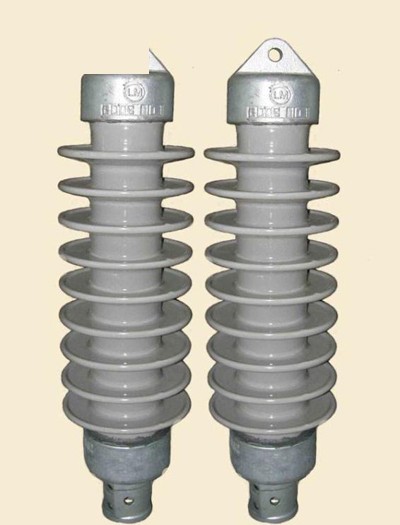
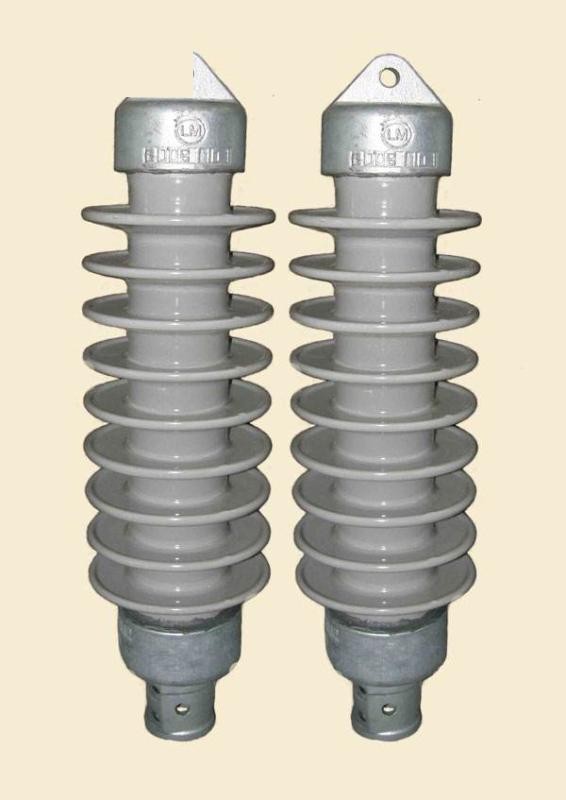
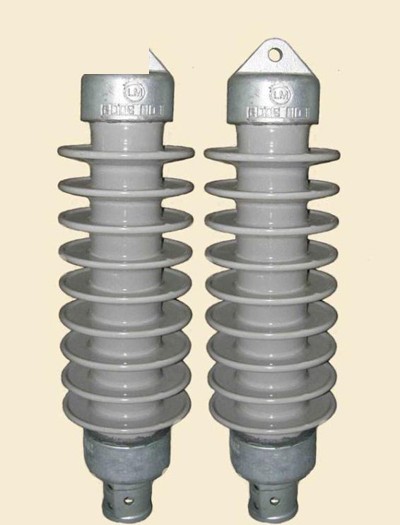
QX27.5 porcelain suspension-type insulator
QX27.5 series 27.5kV
Specifications
| Model | QX27.5 |
|---|---|
| Standard | GB/T 11030-2008, TB/T 3199 series (Insulators for electrified railway OCS) |
| Rated Voltage | 25kVOCS systems |
| Creepage Distance | 1400mm |
| Tensile Failure Load | 70kN |
| Operating Temperature | -40℃~+70℃ |
| Altitude | <4000m |
| Materials | highstrengthporcelain/composite silicone-rubber insulator, zinc-sleeve steel pin |
| Installation | cantilever, positioning and suspended installation at tensioning points |
Porcelain suspension-type insulators serve the suspension insulation points of electrified railway OCS, bearing Tensile load. Model example: QX27.5/70-1400denotes Rated voltage27.5kV, tensile failing load70kN, creepage distance1400mm for porcelain suspension-type insulators. Standard:TB/T 3199.1-2018 and GB/T 11030-2008.
| Model example | QX27.5/70-1400 |
| Rated voltage | 27.5kV |
| Tensile failing load | 70kN |
| Creepage distance | 1400mm |
| Standard | TB/T 3199.1-2018, GB/T 11030-2008 |
Performance
Operating Conditions
for different pollution class sections, bearing both mechanical load and electrical insulation duties.
Mechanical Performance
Cantilever load8~20kN classcomplete, each porcelain body passes an individual mechanical load test; composite type is impact-proof without shattering.
Electrical Performance
Dry/wet power-frequency withstand voltage, lightning impulse withstand voltage and creepage distance meet TB/T 3199 — double-insulation types offer higher reliability.
Applications
Mainline cantilever suspension:
mainline cantilevers use porcelain suspension-type insulators to insulate live parts from masts.
Heavily polluted coastal sections:
large-creepage porcelain suspension-type insulators prevent pollution flashover in coastal heavily polluted sections.
Tensioning insulation:
at tensioning points, porcelain suspension-type insulators bear tension and provide insulation.
Cold regions:
porcelain suspension-type insulator bodies resist freeze-thaw cycles stably in cold regions.